


Some dogs guard the door. Others fetch the ball. The cross-breed German Shepherd and Labrador does both. And then follows you to every room in the house just to make sure you are doing alright. Known as the Sheprador, this hybrid is the result of crossing two of the world’s most popular dog breeds. The result is a dog that is equal parts devoted companion, natural watchdog, and enthusiastic adventure partner.
What makes the German Shepherd and Labrador mix stand out from other German Shepherd lookalike breeds is the Labrador’s influence on its character. Before you decide if it is the right dog for you, the real question is whether you are the right dog for it.
What Is a Cross-Breed German Shepherd and Labrador?
The German Shepherd and Labrador mix is a hybrid that goes by a few names. Most people know it as the Sheprador, though you will also hear Labrashepherd and German Sheprador used interchangeably. It is a designer breed, which simply means it was bred on purpose.
Unlike the Miniature German Shepherd, which is bred to be compact, the Sheprador is a full-sized, athletic dog with a big personality to match. No two Shepradors look the same, even from the same litter, which is part of what makes this mix so fascinating.
Where Does the Sheprador Come From?
The German Shepherd’s Story
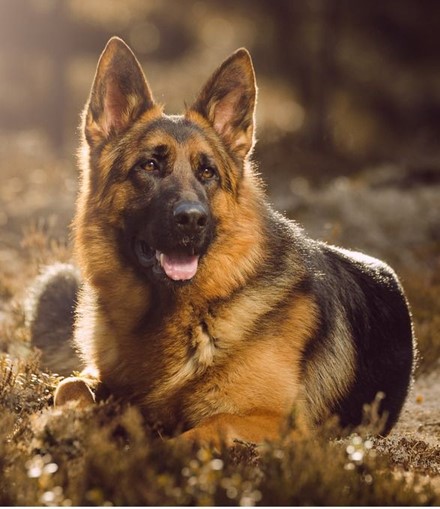
The German Shepherd has been earning its keep since the late 1800s. Originally bred in Germany by Captain Max Von Stephanitz to herd and protect livestock, it was never just a farm dog. Its intelligence, loyalty, and work ethic set it apart quickly. It went on to serve in wars, work alongside police forces, and guide the visually impaired.
The Labrador Retriever’s Story

The Labrador Retriever started life as a fisherman’s best friend in Newfoundland, Canada. It would leap into freezing water to retrieve fish and haul in nets without complaint. Centuries later, it became one of the most beloved family dogs in the world. Friendly, gentle, and endlessly eager to please, the Labrador has ranked as one of the most popular breeds in both the UK and the US for decades.
Why Breeders Started Crossing the Two

Breeders began crossing the German Shepherd and the Labrador Retriever to combine the former’s protective instincts and trainability with the latter’s warmth and easy nature. They also wanted to reduce the likelihood of certain hereditary health conditions that affect both parent breeds when kept as purebreds. The result was the Sheprador.
What Does a Sheprador Look Like?
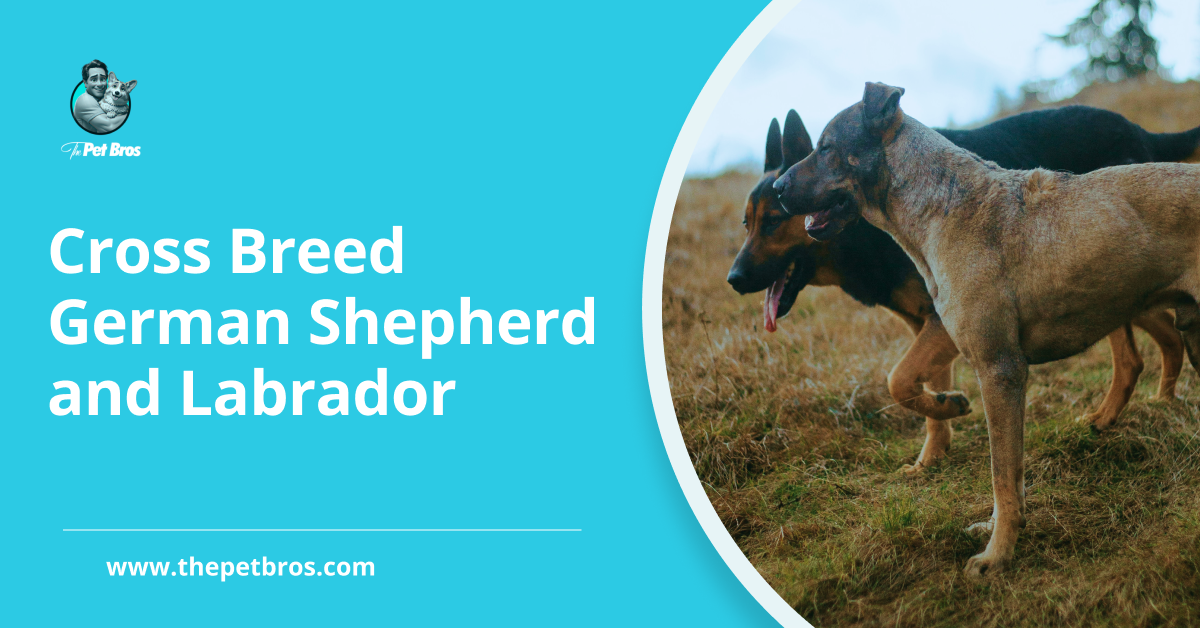
The German Shepherd and Labrador mix is a solid, well-built dog. Most stand between 20 and 27 inches tall and weigh anywhere from 50 to 90 pounds. The Labrador’s influence tends to give the Sheprador a slightly broader frame compared to the leaner German Shepherd. Males are generally bigger than females, but both are strong, athletic dogs built for an active life.
The Sheprador usually carries a dense double coat that is short to medium in length. Coat colours vary widely and can include black, chocolate, sable, tan, and red. Much like the black German Shepherd and the blue German Shepherd, the Sheprador can throw up some surprising colour combinations, even within the same litter. One of the more welcome surprises is that the Sheprador’s coat tends to be weather-resistant and carries very little doggy odour.
The most unpredictable physical feature of the Sheprador is the ears. Some inherit the German Shepherd’s upright, alert ears. Others get the Labrador’s soft, floppy ears. Many end up somewhere in between, with one ear up and one ear flopped over. It gives each Sheprador a unique.
Life With a Sheprador: Personality and Temperament
The Velcro Dog
The Sheprador has earned the nickname the velcro dog for very good reason. This breed does not just enjoy your company; it needs it. It will follow you from room to room, settle at your feet while you work, and position itself between you and the front door the moment someone knocks. This is not anxious behaviour. It is simply a dog that wants to be wherever you are, all the time. If you value personal space, the Sheprador will test that most endearingly.
The Mouthy Side Nobody Warns You About
The Labrador retriever’s instincts run deep in the Sheprador. Like all retrievers, this breed is mouthy, and it is happiest when it has something to carry. Expect to find your Sheprador greeting you at the door with a shoe, a toy, or whatever it can find in a hurry. This is simply the breed’s way of expressing excitement. Redirecting this behaviour with appropriate chew toys and fetch games works well. If you ever notice escalating vocal behaviour alongside this, it helps to understand why dogs whine and act out so you can catch behavioural cues early.
Protective but Not Aggressive
The Sheprador inherits the German Shepherd’s natural protective instincts, but the Labrador’s warmth balances this out considerably. The result is a dog that is alert and watchful without being hostile. It will bark to signal the arrival of strangers, but is unlikely to behave aggressively without cause. With consistent training, this protective quality becomes one of the Sheprador’s most valuable traits.
How Well Do They Get Along With Others?
The Sheprador is generally excellent with children and other dogs when introduced and socialised properly. Its playful energy makes it a wonderful companion for children who enjoy outdoor activities.
Early socialisation is not optional with this breed. A Sheprador that is not properly socialised from a young age can become overly wary or reserved around strangers and unfamiliar animals. The German Shepherd side means it may take time to warm up to new people, but once it does, the bond is warm and lasting.
Health and Lifespan
The Sheprador has an average lifespan of 10 to 14 years. One of the advantages of crossbreeding is that hybrid vigour can reduce the risk of some hereditary conditions common to both purebred parents. However, it is not a guarantee. Common conditions to be aware of include:
- Hip and elbow dysplasia, which affects both parent breeds, can cause pain and reduced mobility
- Progressive retinal atrophy and other eye conditions
- Bloat (gastric dilatation volvulus), which is a life-threatening emergency in deep-chested dogs
- Degenerative myelopathy, a progressive neurological condition inherited from the German Shepherd side
- Exercise-induced collapse, a condition inherited from the Labrador that can cause sudden weakness after intense activity
- Obesity, driven by the Labrador’s powerful food drive and tendency to overeat
Skin and coat issues can also develop if grooming is neglected. Being aware of how to identify and treat common skin conditions in dogs can help you spot problems early. It is also worth knowing that rapid breathing in dogs can sometimes signal an underlying issue, particularly in dogs prone to exercise-induced collapse.
Training and Exercise
The Sheprador is not a dog you can tire out with a quick lap around the block. It needs at least one to two hours of proper physical activity every day. Without adequate physical activity, a bored Sheprador will find its own entertainment, and that rarely ends well for your furniture or garden.
Training the Sheprador is generally a rewarding experience. It is highly intelligent and picks up new commands quickly. The Labrador side makes it eager to please and responsive to positive reinforcement. The German Shepherd side brings focus and drive. Some Shepradors will test boundaries, particularly during adolescence. Starting training early and keeping sessions reward-based is recommended for the best results.
Physical exercise alone is not enough for the German Shepherd and Labrador mix. This is a thinking dog that needs its mind engaged as much as its body. Puzzles, scent work, and obedience games all help to satisfy the Sheprador’s need for mental challenge. A mentally stimulated Sheprador is a calm and content dog.
Grooming and Daily Care
Grooming the Sheprador takes commitment. That dense double coat needs brushing three to five times a week, and every single day during the spring and autumn shedding seasons. The coat stays clean and odour-free on its own, so you do not need to bathe your Sheprador too often. Overbathing does more harm than good by stripping the natural oils that keep the coat healthy.
Diet plays an important role in coat condition and health. Feeding the right fruits and vegetables alongside a quality, protein-rich diet supports healthy skin and a glossy coat. Safe options like spinach and blackberries can be offered as occasional healthy treats. Always watch portion sizes, as the Labrador side of this mix has a tendency to overeat.
So, Are You the Right Human for This Dog?
Not every dog suits every household, and the Sheprador is no different. This is a dog that thrives on company, exercise, and purpose. If you can give it all three, you will have a loyal, loving companion that fits into your life like it was always meant to be there.
Cross-Breed German Shepherd and Labrador FAQs
How much does a crossbreed German Shepherd and Labrador puppy cost?
A German Shepherd and Labrador crossbreed puppy typically costs between $300 and $1,200, depending on the breeder and location.
How big is a full-grown German Shepherd Lab mix?
A full-grown German Shepherd Lab mix usually weighs between 50 and 90 pounds and is strong, active, and highly trainable.
Where can I find a crossbreed German Shepherd and Labrador puppy for sale?
You can find German Shepherd and Labrador crossbreed puppies for sale through breeders, rescue centres, and trusted pet adoption websites.
What is a Sheprador?
A Sheprador is the common name for a German Shepherd and Labrador Retriever mix.
Where can I buy a crossbreed German Shepherd and Labrador puppy for sale in the UK?
In the UK, you can buy a German Shepherd and Labrador crossbreed puppy from licensed breeders, rescue shelters, or reputable online pet listings.