


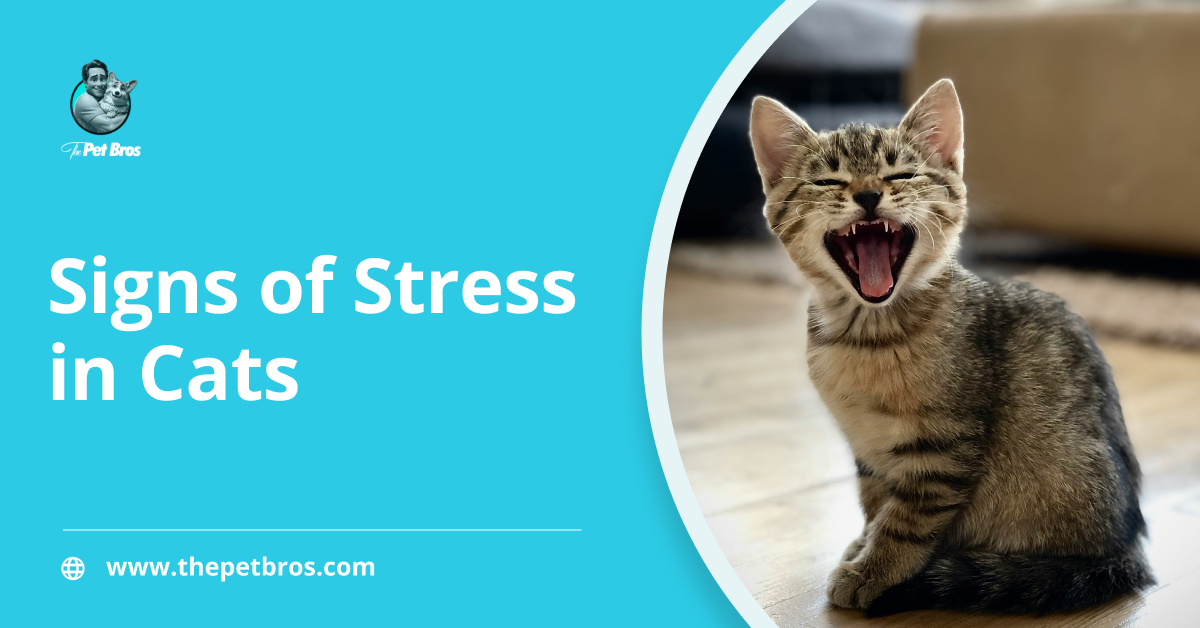
Cats are masters at masking how they feel. Unlike dogs, who wear their emotions on their sleeve, a stressed cat can suffer quietly for weeks before an owner realises or sees any signs of stress in cats. By the time the signs become obvious, the stress may already be taking a toll on your cat’s health and well-being.
Knowing the signs of cat stress is one of the most valuable things you can learn as a cat owner. Stress in cats is far more common than most people realise. The earlier you spot it, the sooner you can help. In this article, we break down some common signs of stress in cats that you need to know to help your cat feel safe.
8 Signs of Stress in Cats
1. Changes in Behaviour
Cats thrive on predictability, so when they start acting out of character, it’s one of the earliest signs of cat stress. When something in their environment feels wrong, their behaviour often changes before anything else does. Some cats become defensive. Others withdraw completely. You may notice your normally friendly cat suddenly acting distant, hiding more than usual, or reacting differently to things that never bothered them before.
- Increased Aggression: A stressed cat may become unusually aggressive. Hissing, growling, scratching, stalking, or sudden biting can appear even in cats that are normally gentle.
- Excessive Hiding: Some cats respond to stress by disappearing. Instead of confronting the situation, they retreat to quiet places such as under beds, behind furniture, or inside cupboards.
- Clinginess or Withdrawal: Interestingly, stress can push cats in opposite directions. Some become unusually clingy, following their owner from room to room and seeking constant reassurance. Others do the exact opposite, withdrawing from interaction altogether.
2. Overgrooming or Neglecting Grooming
Grooming is a normal and healthy behaviour for cats. In fact, the average cat spends 25 to 30 per cent of its waking hours grooming. It helps them regulate body temperature, keep their coat clean, and even relax. But when stress enters the picture, grooming habits often change.
Some cats begin grooming far more than usual as a coping mechanism. The repetitive licking releases endorphins, chemicals that help them feel calmer.
- Overgrooming: Excessive licking or chewing can leave visible bald patches, especially on the belly, legs, or sides. The skin may become red or irritated. Some owners first notice small clumps of hair around the house before realising their cat is grooming obsessively.
- Undergrooming: A stressed cat may also stop grooming regularly. When this happens, the coat can start to look dull, greasy, or slightly matted. Cats that normally pride themselves on being spotless suddenly look a little unkempt, often a signal that something is not quite right.
3. Litter Box Problems
Few things worry cat owners faster than litter box issues. Cats are naturally very clean animals, and most prefer to use their litter tray consistently once trained. When a cat suddenly begins avoiding the litter box or using unusual places around the house, stress is often part of the story.
Stress can make a cat feel insecure about its environment. To cope, some cats urinate or spray outside the litter box because the smell of their own scent helps them feel more secure in their territory. It is a behaviour rooted in instinct rather than disobedience.
- Urinating or Defecating Outside the Litter Box: A stressed cat may begin relieving itself on carpets, beds, laundry piles, or quiet corners of the house.
- Spraying on Vertical Surfaces: Spraying is slightly different from normal urination. Cats urinate in small amounts on walls, furniture, or doors to mark territory and communicate with other animals.
- Frequent Litter Box Visits: Some stressed cats visit the litter box repeatedly but produce very little urine. While stress can contribute to this behaviour, it can also signal medical issues such as urinary tract infections or bladder inflammation.
4. Changes in Appetite and Thirst
A cat’s eating habits are usually very consistent. Many cats even remind their owners when it is time for dinner, sometimes a little too enthusiastically. When stress arises, appetite is often among the first routines to change.
Some stressed cats begin eating far less than usual or refuse food altogether. This reaction happens because the stress hormone cortisol can suppress appetite and even cause mild nausea, making food less appealing. Over time, a reduced appetite can lead to weight loss and lower energy levels, especially if the stress continues for days or weeks.
Other cats cope in the opposite way and begin eating more than usual. Food can become a comfort behaviour, much like emotional eating in humans. While it may seem harmless at first, overeating can gradually lead to weight gain and additional health concerns.
Stress can also affect how much water a cat drinks. A stressed cat that sleeps more or feels withdrawn may simply drink less throughout the day. Reduced water intake can contribute to dehydration and may increase the risk of urinary problems.
5. Increased Vocalisation
Cats communicate through sound far more than many people realise. A healthy cat may meow occasionally to greet you, ask for food, or protest when dinner is five minutes late. When stress enters the picture, those vocal habits can change noticeably.
Some stressed cats become far more vocal than usual. Frequent meowing, loud yowling, or crying can be their way of signalling discomfort or asking for attention. In many cases, the sounds are a call for reassurance when the cat feels uncertain about its environment.
You may also hear more defensive sounds, such as hissing or growling, especially if the cat feels threatened by people, other pets, or sudden movements around them.
6. Digestive Upsets
You clean up a bit of sickness. Maybe there’s loose stool in the litter tray. You assume it was something they ate, change the food, and monitor closely. But sometimes, the stomach is not the problem.
Stress does not just affect behaviour. It affects the body. When a cat feels anxious, the brain sends signals through the gut–brain axis. This connection means emotional strain can directly influence the digestive system.
That is why stressed cats may develop:
- Recurrent vomiting
- Intermittent diarrhoea
- Soft stools with no clear dietary trigger
Stress-related inflammation can irritate the digestive tract, even if the diet has not changed. Some cats experience flare-ups during events like moving house, fireworks season, or the arrival of guests.
Of course, vomiting and diarrhoea always deserve attention. Medical causes must be ruled out first. But if tests come back normal and the symptoms persist during tense periods, emotional stress may be lurking in the background.
7. Restlessness or Low Energy
Cats are famous for sleeping a lot. In fact, most cats sleep between 16 and 20 hours a day, so a lazy afternoon is not unusual. But stress can push this behaviour in two different directions.
Some stressed cats become restless and hyper-alert. They may pace around the house, react sharply to small sounds, or constantly scan their surroundings as if something is about to happen. This heightened awareness is part of the cat’s survival instinct when they feel unsafe.
Others respond by doing the opposite. They sleep more than usual and show very little interest in playing, exploring, or interacting. This drop in energy is often the body’s way of coping with emotional strain and physical stress.
8. Dilated Pupils and Tense Body Language
Cats say a lot without making a sound. Long before behaviour changes become obvious, stress often appears in a cat’s body language.
One of the easiest signs to notice is dilated pupils. If your cat’s pupils stay wide even in normal lighting, it can signal fear or heightened alertness. The body is preparing for a potential threat, even if nothing obvious is happening.
You may also notice subtle changes in posture. A stressed cat may crouch low to the ground, tuck its tail tightly around its body, or hold its muscles stiffly instead of relaxing. The ears may flatten or flick rapidly, showing irritation or anxiety.
What Causes Stress in Cats?
- . Environmental Changes: Cats become strongly attached to their territory. Moving house, rearranging furniture, building work, or even redecorating can make their environment feel unfamiliar. Loud noises and new smells can also increase anxiety.
- Lack of Routine: Cats rely heavily on predictable schedules. Changes to feeding times, playtime, or the owner’s daily routine can leave them feeling unsettled and unsure of what to expect.
- Social Stress and Multi-Cat Households: Not all cats enjoy living with other cats. Competition over food bowls, litter boxes, sleeping areas, or attention can create ongoing tension, especially in homes with multiple pets.
- Boredom and Lack of Stimulation: Cats need mental stimulation. Without toys, playtime, climbing spaces, or window views, boredom can turn into frustration and stress.
- Underlying Health Issues: Pain or illness can also trigger stress behaviours. Conditions such as arthritis, urinary tract problems, or dental pain may cause a cat to act differently because they feel physically uncomfortable.
How to Help a Stressed Cat
- Create a safe space where your cat can retreat and relax without being disturbed.
- Stick to a routine for feeding, playtime, and daily interactions to reduce uncertainty.
- Provide environmental enrichment such as climbing trees, scratching posts, and interactive toys.
- Use pheromone therapy, like calming diffusers, to help reduce anxiety in the home.
- Support diet and nutrition by offering a balanced diet that helps maintain immune health and overall mood.
When to See a Vet
While mild stress can sometimes resolve once the environment becomes calmer, persistent symptoms should never be ignored. If your cat continues to show signs of stress for more than a few days or begins to develop physical symptoms such as vomiting, noticeable weight loss, or blood in the urine, it is important to contact a veterinarian.
Stress can sometimes mask underlying health conditions, and a vet can help rule out medical causes before focusing on behavioural solutions. Early intervention often prevents small problems from turning into more serious health issues.
Stress in Kittens vs Adult Cats
Kittens are often more sensitive to new environments, unfamiliar people, and loud sounds because they are still learning about the world around them. Adult cats may handle changes better, but they often show subtler, longer-lasting stress signals when their routine is disrupted. Senior cats, on the other hand, can be especially vulnerable because ageing makes it harder for them to adapt to change.
Conclusion
Recognising the signs of stress in cats early can make a huge difference to their health and happiness. Cats rarely announce when something is wrong, so small changes in behaviour, appetite, or body language often tell the real story. The sooner you notice these signals, the sooner you can help your cat feel safe, comfortable, and relaxed again.
Signs of Stress in Cats FAQs
How to help my stressed cat
You can help your stressed cat by keeping a consistent routine, providing quiet hiding spaces, and using calming aids if recommended by a vet.
Is my cat stressed or sick?
If your cat is vomiting, has a fever, or is experiencing rapid weight loss, they may require veterinary attention.
What causes stress in cats?
Stress in cats is commonly caused by environmental changes, conflict with other pets, lack of stimulation, or loud sounds