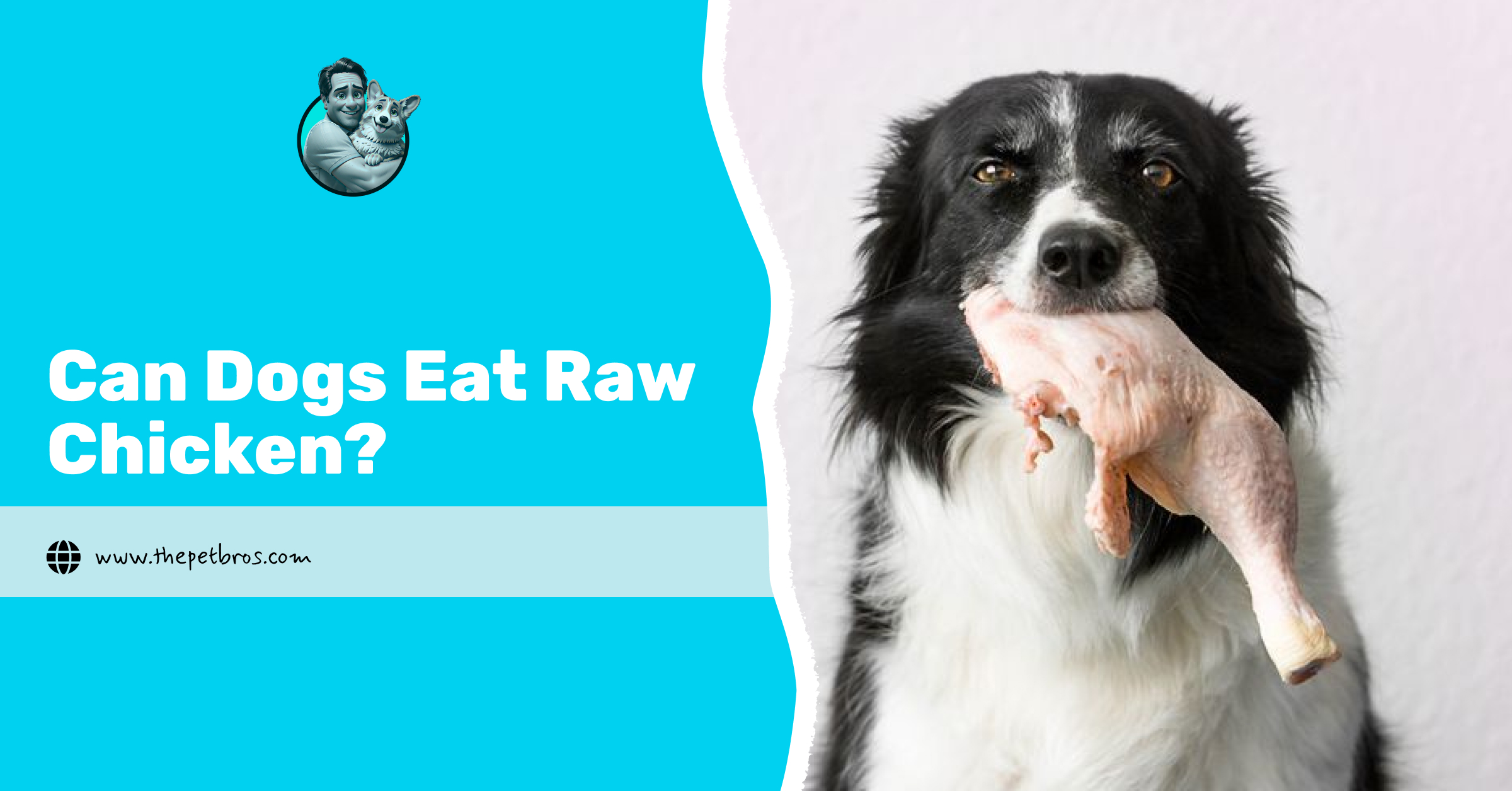




Can dogs eat ham? It is one of those questions that tends to come up around the dinner table, especially when your dog is sitting at your feet doing its best impression of a creature that has never been fed in its life.
Ham smells incredible to dogs, and the temptation to share a slice is completely understandable. But before you do, it is worth knowing what you are actually giving them.
Can Dogs Eat Ham?
Technically, yes, dogs can eat ham in small amounts, but it’s far from the healthiest treat for them. Ham, while high in protein, is often processed, salted, and packed with preservatives that don’t sit well with dogs. For one, the high sodium content can lead to serious health issues, including dehydration, kidney damage, and even more severe complications if consumed regularly.
Ham isn’t toxic to dogs in small, unseasoned servings, but it’s not a good idea to make it a habit. After all, dogs aren’t meant to dine on human foods, and ham isn’t the best choice when you’re looking to offer a nutritious, dog-safe snack.
The Problem With Ham
Before you toss your dog a piece of that delicious, juicy ham, let’s hit pause for a second. As much as they’d love a bite, ham isn’t all it’s cracked up to be for our dogs.
1. High Sodium Content
We get it, ham is salty and flavourful. But for dogs, that saltiness can quickly turn into a health disaster. Dogs only need a tiny amount of sodium in their diet, and too much of it can cause serious problems. Ham is packed with sodium, which can cause dehydration, vomiting, and even kidney damage over time.
For context, a single slice of ham can have more sodium than your dog needs in an entire day. Now, imagine tossing them a whole sandwich-worth.
2. High Fat Content and Pancreatitis Risk
Here’s where ham really starts to cause trouble. That rich, fatty texture that makes it taste so irresistible to us? It’s a nightmare for dogs. Too much fat in their diet can lead to pancreatitis, an inflammation of the pancreas that’s painful and often requires a trip to the vet. Even if your dog only gets a little taste here and there, the high fat content can upset their stomach and cause digestive issues like vomiting or diarrhea.
3. Preservatives and Additives
Now, let’s talk about all those preservatives and additives you don’t want in your dog’s system. Most ham you find at the grocery store is heavily processed with nitrates and nitrites to preserve its shelf life. While these additives help ham stay fresh longer, they’re not doing your dog any favours. In fact, they can contribute to stomach upset, allergic reactions, and long-term health issues like cancer.
4. Sugar in Glazed or Cured Ham
It’s not just the salty, fatty bits you need to worry about; if you’re considering giving your dog some glazed ham, be warned: sugar’s lurking in there too. While the sugar content in ham isn’t as high as in cakes or candies, it’s still more than enough to throw your dog’s stomach out of whack. Plus, if they’re already getting sugar from other treats or food, this extra dose can contribute to weight gain, diabetes, and a lot of unneeded bellyaches.
Are All Types of Ham the Same?
- Plain Cooked Ham: Plain, unseasoned, fully cooked ham is the safest option if you’re sharing a small bite with your dog. It’s low on seasoning, which helps avoid the salt overload. But remember, even plain ham is still a fatty, salty snack that should only be offered in small amounts and on rare occasions.
- Deli Ham/Processed Ham: This is where things start to get tricky. Deli meats, including sliced ham from the deli counter, are typically packed with preservatives, extra sodium, and sometimes even sugars. These additions make deli ham a poor choice for your dog. The high salt and additives can cause digestive upset and long-term health risks.
- Glazed or Honey-Roasted Ham: Glazed or honey-roasted ham sounds tempting, especially around the holidays, but it’s loaded with sugar and often more salt. The sweet coating on these hams may seem like a delicious treat for your dog, but that sugar can lead to weight gain, obesity, and even diabetes if fed regularly. Stick to unseasoned, plain meats for a healthier option.
- Raw Ham: Like other raw meats, raw ham carries a risk of bacterial infection. While not typically deadly, raw ham can cause food poisoning, leading to vomiting, diarrhea, or more severe symptoms. Even worse, the preparation of raw ham often includes unregulated salt levels, which makes it a no-go for dogs.
- Ham Bones: A major red flag. While they may seem like a tasty chew, ham bones, whether cooked or raw, pose serious health risks. They can splinter easily, leading to choking or internal injuries like blocked intestines. Always keep those bones out of reach.
Your Dog Just Ate Ham, Now What?
- Monitor for symptoms like vomiting or diarrhea.
- Watch for excessive thirst from high sodium intake.
- Look out for lethargy, which can indicate discomfort.
- Check for abdominal pain or a hunched posture.
- Watch for tremors or confusion, which may signal poisoning.
- Call the vet if your dog ate a large amount or shows severe symptoms.
Safe Foods To Give Your Dog Instead of Ham
Fruits
- Apples
- Bananas
- Blueberries
- Strawberries
- Watermelon (seedless)
- Pears (no seeds or core)
- Mango (peeled and pit removed)
- Papaya (peeled and seedless)
- Raspberries
- Blackberries
- Peaches (without the pit)
- Pineapple (peeled)
Vegetables
- Carrots
- Green beans
- Sweet potatoes (cooked)
- Spinach (cooked)
- Zucchini
- Cucumbers
- Broccoli (in moderation)
- Pumpkin (puree or cooked)
- Brussels sprouts (cooked)
- Kale (cooked)
Others
- Plain cooked chicken (unseasoned, no bones)
- Plain cooked turkey (unseasoned, no bones)
- Plain cooked beef (unseasoned)
- Plain cooked fish (salmon and sardines)
- Rice (white or brown)
- Eggs (cooked)
- Plain yoghurt (unsweetened, xylitol-free)
Conclusion
So, can dogs eat ham? While it’s technically safe in small amounts, the risks outweigh the benefits. With high sodium, fat, and preservatives, ham can cause serious health issues in your dog. Fortunately, there are plenty of healthier alternatives to spoil your pup without the worry. Just remember to introduce new foods slowly and be mindful of any allergies or sensitivities your dog might have.
Can Dogs Eat Ham? FAQs
Can dogs eat ham raw or cooked?
Dogs should not eat raw or cooked ham regularly because it is high in salt and fat, which can upset their stomach and increase the risk of pancreatitis.
Can dogs eat ham skin?
Dogs should not eat ham skin because it is very fatty and difficult to digest.
Can dogs eat ham bones?
Dogs should never eat ham bones because cooked bones can splinter and cause choking, blockages, or internal injuries.