


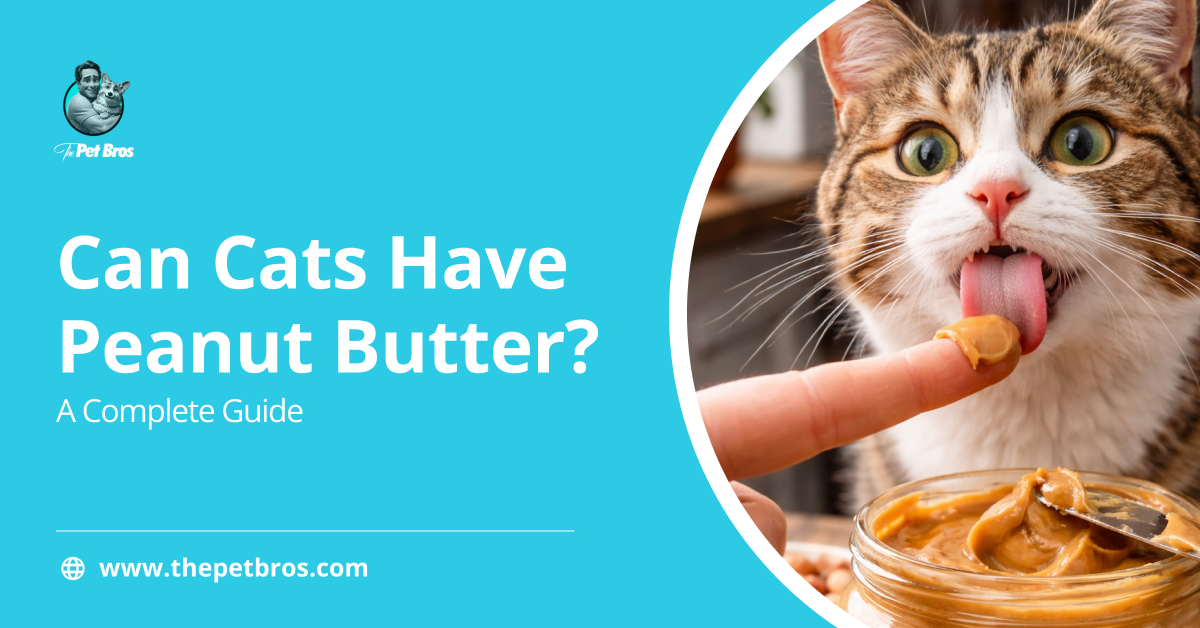
If you have peanut butter on your morning toast, you might notice your cat perched on the counter, watching intently. Soon, it may start meowing or rubbing against you, eager for a share of your snack. Many pet owners recognise this moment: your feline friend is curious, persistent, and ready to join in. But can cats have peanut butter?
This is a common question for pet owners who want to share treats safely without putting their pets at risk. In this guide, you’ll learn whether peanut butter is safe for cats and how to serve it responsibly. You will also discover healthy alternatives that can satisfy their curiosity without causing harm.
Health Benefits Of Peanut Butter For Cats
Peanut butter contains high levels of plant-based protein and monounsaturated fats. These healthy fats support your cat’s skin and maintain a shiny coat. However, they are also high in calories, so you must limit portions to prevent unwanted weight gain.
In addition to fats and protein, peanut butter provides nutrients that support a cat’s immune system. Vitamin E protects cells as a powerful antioxidant. Vitamin B3, or Niacin, helps with energy metabolism and healthy digestion. When you offer a safe, pea-sized serving, these vitamins boost your cat’s overall vitality and complement the benefits of fats and protein.
Cat parents also use peanut butter to help with medical care. Its thick, sticky texture masks the taste and smell of bitter pills. Most cats focus on the treat and swallow their medication without stress. In this way, peanut butter nourishes your cat while making necessary treatments easier.
Can Cats Have Peanut Butter Then?
Yes, cats can have peanut butter, but only in very small amounts and with caution. While it provides some vitamins and can help mask the taste of medicine, you must examine the ingredients carefully. This is because many peanut butter brands contain more than just peanuts. They may contain additives that your cat must not consume.
You must specifically watch for xylitol, a sweetener that appears in many low-sugar or “natural” brands. A single lick containing xylitol can cause a cat’s insulin levels to spike dangerously, leading to seizures or liver failure within hours.
Beyond chemical sweeteners, standard peanut butter also packs high levels of salt and processed oils. These additions contribute to feline obesity and put unnecessary strain on your cat’s kidneys. And because cats evolved to process animal tissues, their bodies cannot easily break down the complex plant fats and sodium you find in commercial peanut butter.
The physical consistency of the paste also presents a risk that goes beyond nutrition. The thick, glue-like texture can easily stick to a cat’s palate or block their airway. This creates a choking hazard, especially for smaller cats or those who eat too quickly.
Always check the label for salt, sugar, and xylitol before you decide to share even a tiny amount with your feline friend.
Signs Of A Peanut Allergy In Cats
Even when you find a brand without xylitol or excess salt, your cat might still react poorly to peanuts. Here are some signs to look out for.
- Skin irritation and itching: Persistent scratching, especially around the ears, face, or paws, can signal an allergy. Some cats may overgroom and develop bald patches.
- Red or inflamed skin: Small bumps, rashes, or visible redness often appear when the body reacts to an allergen.
- Digestive upset: Vomiting or diarrhoea may occur if the cat struggles to process peanut proteins.
- Loss of appetite or lethargy: A sudden drop in energy or refusal to eat can indicate that the snack did not agree with your cat.
- Breathing difficulty or facial swelling: These are rare but serious signs of anaphylaxis.
Stop the treat immediately and seek urgent veterinary care if you notice these symptoms
How To Safely Serve Peanut Butter
If you choose to share a small taste of peanut butter with your cat, taking a few safety steps can help prevent health risks.
- Choose a natural product: Pick peanut butter that contains only peanuts. As mentioned earlier, avoid options with added salt, sugar, or oils that can upset your cat’s digestion.
- Check for toxic sweeteners: Always read the label and avoid products containing xylitol, also known as birch sugar.
- Stick to tiny portions: Offer only a pea-sized amount at a time. This prevents excess calorie intake and reduces the risk of the sticky paste causing choking or discomfort.
- Supervise treat time: Stay nearby while your cat eats and keep fresh water available to help them swallow safely.
Conclusion
So, can cats have peanut butter? Yes, cats can have peanut butter in tiny amounts. This is especially true when the peanut butter is plain. However, veterinarians do not recommend it as a regular treat. Offer it only occasionally, for special occasions or to help with medication, and always observe your cat’s reaction. Treat it as an occasional supplement rather than a staple in their diet.
Can Cats Have Peanut Butter? FAQs
What Is the Silent Killer of Cats?
Chronic Kidney Disease often acts as a silent killer because cats show very few symptoms until the condition is advanced.
Can Cats Have Peanut Butter Ice Cream?
Cats cannot have peanut butter ice cream due to dangerous sugar, dairy, and toxic xylitol levels.
What Annoys Cats the Most?
Loud noises and sudden movements cause the most stress for cats because of their sensitive hearing.