


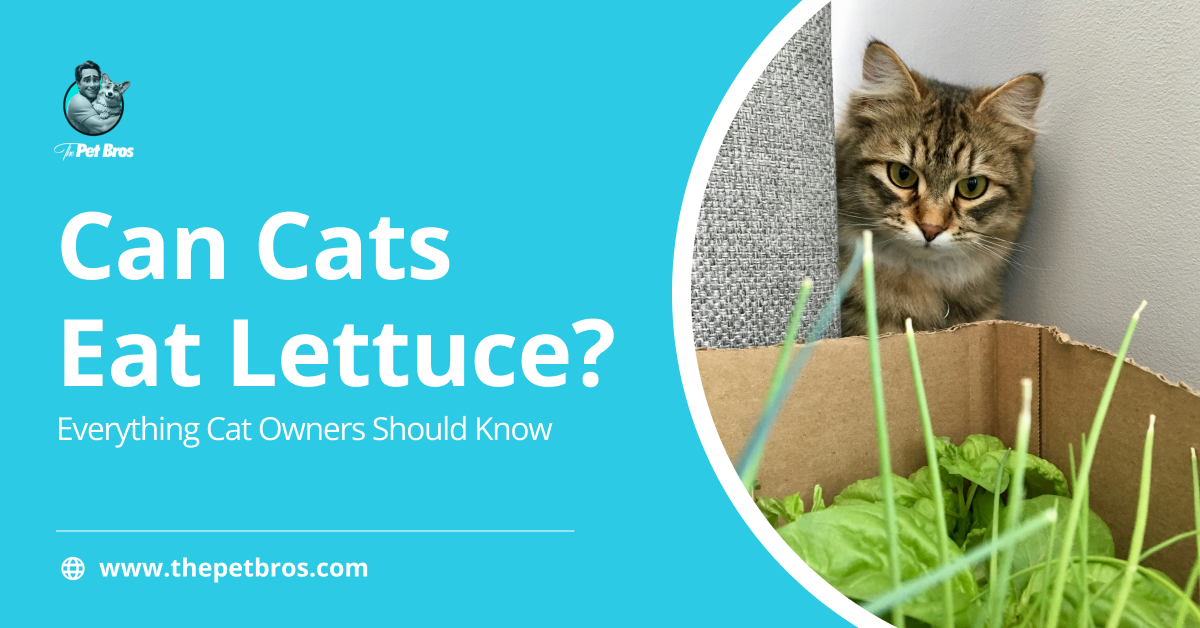
Your cat’s curiosity knows no bounds. This becomes even more obvious when your dinner plate is involved. One moment you’re preparing a salad. Next, a paw is reaching for a stray leaf. This leaves you with a sudden dilemma: can cats eat lettuce?
You aren’t the only owner to face this. We often get questions about sharing human snacks. These range from whether cats can have cheese to the safety of boiled eggs. Many people also wonder if leafy greens are a safe alternative. Many owners notice this when they catch their pets nibbling on garden or indoor plants, including spinach.
This guide covers whether lettuce is a healthy treat for these persistent little carnivores. It also helps you navigate the human foods cats can eat without any guesswork.
Can Cats Eat Lettuce Safely?
Yes, lettuce is a safe and non-toxic vegetable for your cat to nibble on. Unlike some human foods that can poison cats, lettuce does not contain compounds that harm a feline’s system. You can feel confident that a small piece of lettuce won’t cause the same concern as an accidental bite of an onion or a grape.
While the plant is safe, it offers very little nutritional value for an obligate carnivore. Obligate carnivores are animals that must eat meat to meet their nutritional needs. Because of this, cats require animal-based proteins to flourish. Besides, their bodies do not process plant matter for vitamins and minerals as efficiently as ours do.
You should also note that lettuce contains nearly 95% water, so it serves more as a hydrating snack than as a source of fuel.
Health Benefits of Lettuce for Your Cat
As a hydrating snack, serving your cat lettuce is a valuable way to boost their daily water intake. Many felines struggle to drink enough from their bowls, which often leads to urinary tract issues or dehydration. Offering lettuce provides a burst of moisture that naturally supplements their liquid needs. This high water content makes the vegetable an excellent choice for pets that prefer wet textures but need a low-calorie alternative to processed treats.
Lettuce also acts as a gentle source of dietary fibre, supporting a healthy digestive system. While cats primarily process animal proteins, a small amount of plant-based roughage helps move food through the intestinal tract more efficiently. This extra bulk can help prevent constipation and may even reduce the frequency of uncomfortable hairballs. So, lettuce can function as a snack that promotes regular bowel movements without disrupting their strictly carnivorous diet.
Potential Risks and Side Effects of Feeding Your Cat Lettuce
Although the hydration and fibre in lettuce are good for your cat, you must also consider the potential downsides of introducing this plant to a carnivore’s diet. Even a safe snack can cause complications if you do not prepare it properly or if your cat has a sensitive stomach. Here are the most common concerns you should watch for:
- Digestive upset and diarrhoea: When you feed your cat too many vegetables, it can upset their digestion and cause loose stools.
- Choking hazards: Large or tough pieces of lettuce can get stuck in your cat’s throat if you do not shred the leaves into small portions.
- Pesticides and chemical residue: Unwashed leaves can carry leftover farming chemicals that may harm your cat.
- Lack of nutritional balance: Overfeeding lettuce might cause your cat to miss out on the essential animal proteins and taurine they need to stay healthy.
Best Types of Lettuce for Cats
The right lettuce variety makes a big difference when you let your cat try vegetables. While you might have a mix in your fridge, some leaves are definitely better suited for a feline’s stomach than others. It really comes down to finding a balance between a satisfying crunch and a safe, hydrating snack.
Romaine and Iceberg are usually the easiest ones to start with because they have such a high water content. Romaine is a bit of a nutritional powerhouse in the lettuce world. It contains higher levels of folate and Vitamin K, and many cats enjoy the leaves’ loud crunch. Iceberg is basically just a crunchy drink of water. This makes it a perfect crunchy snack for cats that do not drink enough from their bowls. Just make sure you tear away the hard, white stems first so your cat doesn’t struggle to swallow them.
Red leaf and green leaf lettuce are also great options if you want something a bit softer. These varieties are usually more tender than Romaine, so they are much easier for a cat to chew and digest without any fuss. They also carry a few more antioxidants. Those antioxidants give your pet a tiny health boost alongside that extra hydration. Offering these softer leaves adds variety and helps keep your cat hydrated and content.
Bottom Line
Ultimately, can cats eat lettuce? Yes, cats can eat lettuce in controlled and bite-sized portions, provided you prepare it safely. Although this vegetable is non-toxic, you should remember that cats are obligate carnivores. They rely on animal protein to stay healthy. This is why you must always monitor your pet after they try a new food to ensure they digest it well.
If you have any specific concerns about your cat’s nutrition, a quick chat with your vet remains the best way to get expert advice.
Can Cats Eat Lettuce? FAQs
Why is my cat obsessed with lettuce?
Your cat is likely obsessed with lettuce because they enjoy the crunchy texture and the high water content.
What vegetable is toxic to cats?
Onions and garlic are the most toxic vegetables for cats as they can cause severe damage to red blood cells.
Can cats eat cucumber?
Like dogs, cats can eat cucumber safely in small, peeled, bite-sized pieces, as it is a hydrating, non-toxic treat.
Can cats eat lettuce and tomatoes?
While lettuce is safe, you should avoid feeding your cat tomatoes because the green parts of the plant are toxic to felines.