



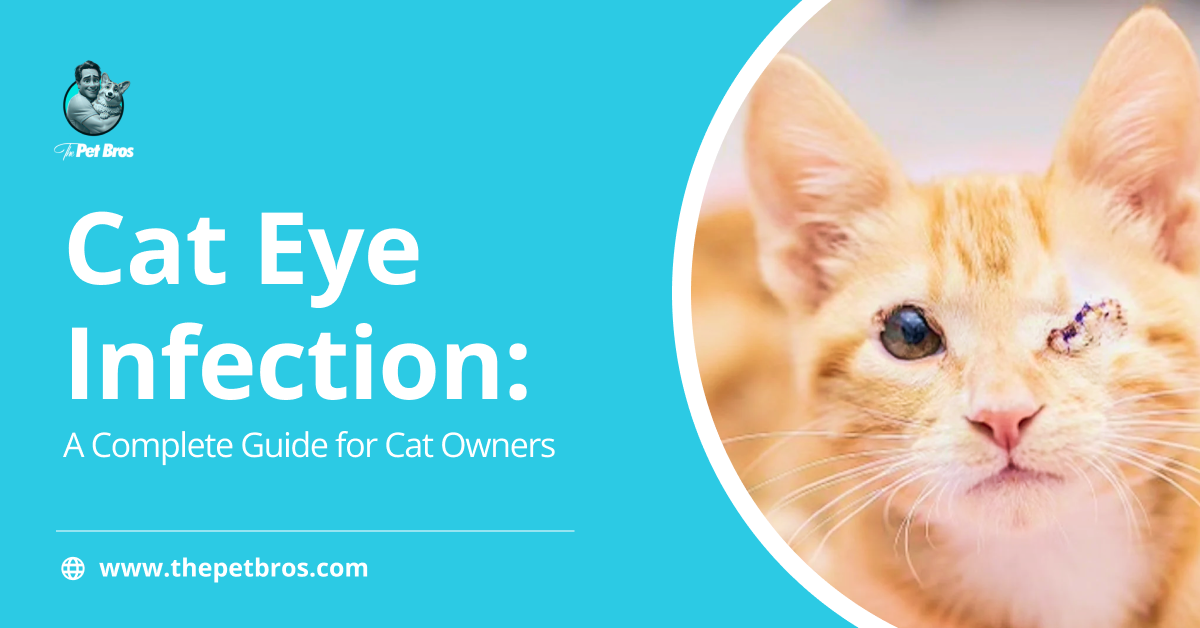
Your cat was fine yesterday. Today, one eye is half shut. There is a discharge in the corner, and they will not stop pawing at their face. A cat eye infection can appear almost overnight, and it is not always easy to know what to do next.
The good news is that most cat eye infections are treatable. But they rarely clear up on their own. Just like cat vomiting can point to something deeper going on inside, eye infections can sometimes signal an underlying health issue. Knowing what to look out for makes all the difference.
What Is a Cat Eye Infection?
A cat eye infection is when bacteria, viruses, fungi, or other irritants invade one or both of your cat’s eyes, triggering the immune system to respond with inflammation. This inflammation is what causes the redness, swelling, and discharge that most cat owners notice first.
Cat eye infections can affect cats of all ages and breeds, though some cats are more vulnerable than others. Some infections are limited to the surface of the eye, while others can penetrate deeper structures and become far more serious if left untreated.
What Causes Cat Eye Infection?
There is no single cause of a cat eye infection. A range of infectious and non-infectious factors can trigger one, and identifying the cause is key to choosing the right treatment.
Viruses Can Trigger Eye Infections
Feline herpesvirus (FHV-1) is the most common cause of cat eye infections. It is highly contagious and spreads easily between cats. It often appears alongside upper respiratory symptoms like sneezing and nasal discharge. Once a cat is infected with FHV-1, the virus stays in the system for life and can flare up during periods of stress or illness.
Bacteria Can Infect the Eye
Bacterial infections are often secondary causes. They develop on top of a viral infection or an injury. The two bacteria most commonly associated with cat eye infections are Chlamydophila felis and Mycoplasma.
Chlamydophila felis causes conjunctivitis and is particularly common in multi-cat households. Mycoplasma is naturally present in a cat’s eye, but becomes problematic when it overgrows beyond normal levels.
Fungi Can Affect Your Cat’s Eye
Fungal eye infections are less common in cats. They occur particularly in cats with weakened immune systems. Fungi such as Cryptococcus can affect the eyes, often as part of a wider systemic infection.
Other Causes of Eye Infection in Cats
Not all cat eye infections are caused by pathogens. Other triggers include:
- Allergies to pollen, dust, or household chemicals
- Physical injury or trauma to the eye
- Foreign objects such as dust or debris
- Blocked or narrow tear ducts
- Environmental irritants, including smoke and strong cleaning products
- Underlying health conditions such as FIV, FeLV, or feline infectious peritonitis
- Autoimmune conditions that cause the body to attack its own eye tissue
9 Signs and Symptoms of Cat Eye Infection
Catching a cat eye infection early gives your cat the best chance of a quick and full recovery. Here are the key signs to look out for:
- Redness and swelling around one or both eyes
- Discharge that is clear, yellow, or greenish in colour
- Squinting or excessive blinking
- Pawing or rubbing at the eye
- Sensitivity to light
- The third eyelid (nictitating membrane) becomes visible across the eye
- Crusty buildup around the eye, especially after sleep
- Cloudiness or changes in the appearance of the eye
- Cold-like symptoms alongside eye signs, such as sneezing or nasal congestion
6 Types of Cat Eye Infections
Cat eye infections are not all the same. Different infections affect different parts of the eye, and understanding which type your cat has helps guide the right treatment.
1. Conjunctivitis (Pink Eye)
Conjunctivitis is the most common type of cat eye infection. It involves inflammation of the conjunctiva, the thin membrane that lines the eyelids and covers the white part of the eye. It causes redness, swelling, and discharge, and can affect one or both eyes, and is frequently linked to FHV-1 and is highly contagious between cats.
2. Keratitis
Keratitis is an inflammation of the cornea, the clear front surface of the eye. It can be caused by viral infections, injury, or dry eye syndrome. In severe cases, keratitis can cause cloudiness or ulceration of the cornea. Without treatment, it can lead to permanent vision damage.
3. Blepharitis
Blepharitis is an inflammation of the eyelids themselves. It causes the eyelids to become red, swollen, crusty, and itchy. It can result from bacterial infections, allergies, or parasites. Cats with blepharitis often rub their eyes frequently, which can make the condition worse if not addressed quickly.
4. Uveitis
Uveitis is an inflammation of the uvea, the middle layer of the eye. It is often linked to systemic conditions like FIV, FeLV, or toxoplasmosis rather than a direct eye infection. Uveitis is a serious condition that can cause significant pain and, if untreated, may lead to glaucoma or blindness.
5. Corneal Ulcers
Corneal ulcers are open sores on the surface of the cornea. They can develop as a complication of keratitis or following an injury to the eye. They are painful and can deteriorate rapidly if secondary bacterial infection sets in. Prompt veterinary treatment is essential to prevent serious damage.
6. Dacryocystitis (Blocked Tear Duct Infection)
Dacryocystitis occurs when the tear ducts become blocked and infected. It causes persistent watery eyes. It is more common in flat-faced breeds whose anatomy makes proper tear drainage more difficult and may require flushing of the ducts by a vet to resolve.
Which Cats Are Most at Risk?
While any cat can develop an eye infection, some are more susceptible than others:
- Kittens, whose immune systems are still developing
- Senior cats with naturally weakened immunity
- Cats living in multi-cat households or rescue shelters, where infections spread quickly
- Outdoor cats that come into contact with other infected animals
- Unvaccinated cats that have no protection against common viral causes
- Cats with pre-existing conditions such as FIV or FeLV that compromise immunity
How Vets Diagnose a Cat Eye Infection
If you suspect your cat has an eye infection, a vet visit is the most important step. Self-diagnosing and treating at home can delay proper care. Here is what to expect at the vet:
- Physical Examination: The vet will begin with a full physical examination, including a close look at the eyes, eyelids, and surrounding tissue. They will check for signs of swelling, discharge, trauma, and whether the infection affects one or both eyes.
- Fluorescein Stain Test: A special orange dye is applied to the eye to highlight any damage to the corneal surface. This helps the vet identify corneal ulcers or scratches that may not be visible to the naked eye. It is a quick and painless test that provides valuable information.
- Schirmer Tear Test: This test measures how much tear fluid the eye is producing. Insufficient tear production can lead to dry eye syndrome, which in turn makes the eye more vulnerable to infection. It involves a small strip of absorbent paper placed at the edge of the eyelid.
- Intraocular Pressure Test: The vet may check the pressure inside the eye to rule out glaucoma. This is a condition where increased pressure causes significant pain and vision loss. Glaucoma can develop as a complication of untreated uveitis.
- Swabs and Lab Cultures: In cases that are severe, recurring, or not responding to initial treatment, the vet may take a swab of the eye discharge or scrape a small sample of cells from the affected area. These samples are sent to a lab to identify the specific bacteria, virus, or fungus responsible.
- Blood Tests: If an underlying systemic condition, such as FIV or FeLV, is suspected, the vet may recommend blood tests to get a fuller picture of your cat’s overall health and immune status.
4 Treatment Options For Cat Eye Infection
Treatment for a cat eye infection always depends on the underlying cause. This is why a vet diagnosis is very important before any medication is used.
1. Prescription Eye Drops and Ointments
Topical treatments are the most common first line of treatment. Antibiotic eye drops or ointments are prescribed for bacterial infections. Antiviral eye drops may be used for viral infections such as FHV-1. Anti-inflammatory drops help reduce swelling and discomfort. It is important to complete the full course of treatment even if symptoms improve early, as stopping too soon can cause the infection to return and become harder to treat.
2. Oral Medications
Some infections require oral antibiotics or antivirals in addition to topical treatment, particularly when the infection is severe or linked to an underlying systemic condition.
3. At-Home Care and Cleaning
Alongside prescribed medication, home care plays an important supporting role. Use a clean, damp cotton wool pad to gently wipe discharge from the eye, always moving from the inner corner outward. Use a fresh pad for each eye to avoid spreading infection. Keep your cat comfortable and away from bright light. Prevent them from rubbing their eyes using a protective cone if necessary. Feeding your cat safe, nutritious foods supports the immune system during recovery.
4. Surgical Intervention
Surgery is rarely needed for eye infections, but it may be required in certain cases. Blocked tear ducts may need to be flushed or surgically corrected. Severe corneal ulcers that do not respond to medication may require surgical repair.
When to Contact Your Vet Urgently
Most cat eye infections are not life-threatening, but some situations require immediate veterinary attention. Contact your vet without delay if you notice:
- Sudden severe swelling of the eye or surrounding area
- Thick yellow or green discharge that does not stop
- Visible blood in the eye
- The eye is completely shut, and your cat cannot open it
- Signs of extreme pain, such as crying, howling, or constant pawing
- Rapid cloudiness or sudden changes in the eye’s appearance
- Symptoms affecting both eyes at the same time
- No improvement after 24 to 48 hours of home care
Can Cat Eye Infection Spread to Other Cats or Humans?
Spreading Between Cats
Many cat eye infections, particularly those caused by FHV-1, Chlamydophila felis, and calicivirus, are highly contagious between cats. They spread through direct contact with infected discharge, shared food bowls, bedding, and grooming. If you have multiple cats and one develops an eye infection, isolate the affected cat as quickly as possible. This is especially important if you have kittens in the household, as they are particularly vulnerable.
The Risk of These Infections to Humans
The risk of a cat eye infection spreading to humans is very low. Most feline pathogens are species-specific and do not pose a significant threat to people. However, basic hygiene practices such as washing your hands thoroughly after handling an infected cat are always advisable. People with weakened immune systems should take extra care.
Prevention Tips Every Cat Owner Should Know
While it is not always possible to prevent a cat eye infection entirely, these steps significantly reduce the risk:
- Keep up with core vaccinations, especially for feline herpesvirus and calicivirus
- Schedule regular vet checkups to catch early signs before they develop into something more serious
- Reduce overcrowding in multi-cat households and isolate any new cat before introducing them to resident cats
- Minimise exposure to environmental irritants such as cigarette smoke, strong chemicals, and dusty environments
- Keep parasite control up to date, as overall immunity matters
- Manage stress in your cat’s environment, as stress is a known trigger for FHV-1 flare-ups
- Support your cat’s immune system with a balanced diet, including safe treats like blueberries, mango, boiled eggs, and plain cooked rice in small amounts.
Conclusion
A cat eye infection can range from a minor irritation to a condition that requires urgent veterinary care. The key is knowing what to look for, acting quickly when something seems off, and never trying to self-treat without a proper diagnosis. Your cat’s eyes are delicate and precious, and with the right care, most infections resolve fully. Stay observant, keep up with regular vet visits, and do not hesitate to seek help when your cat needs it.
Cat Eye Infection FAQs
How to treat a cat’s eye infection?
A cat’s eye infection is usually treated with prescribed antibiotic eye drops or ointment from a veterinarian.
What antibiotic is used for a cat’s eye infection?
Common antibiotics for cat eye infections include Terramycin (oxytetracycline) or erythromycin eye ointment.
How do you treat conjunctivitis in cats?
Conjunctivitis in cats is treated with vet-prescribed antibiotic or antiviral eye medication, depending on the cause.
How do I treat a cat eye infection at home?
At home, you can gently clean the eye with sterile saline and keep the area clean, but you should still see a vet for proper medication.