


Can cats get parvo? This is a question most cat owners don’t think to ask themselves. Parvo has always been associated with dogs. So when the topic comes up, most cat owners shrug and move on. It simply does not feel important to them.
But it is more important than most people realise. There is a lot about this disease that most cat owners have never been told. Some of it might genuinely change the way you think about your cat’s health.
So, Can Cats Get Parvo?
Yes, cats can get parvo. But it is not the same strain that infects dogs. In cats, the disease is caused by the feline panleukopenia virus, more commonly known as FPV. You might also hear it called feline distemper or feline infectious enteritis.
FPV has been around for over a century and is considered one of the most serious infectious diseases in the feline world. It spreads fast, and in kittens, especially, it can kill within days. Understanding this disease is the first step to keeping your cat safe.
Can Cats Get Parvo From Dogs?
This is one of the most common questions in multi-pet households, and the answer is a little more layered than a straight yes or no.
The original canine parvovirus strain, CPV-1, cannot infect cats. But newer variants, specifically CPV-2a, CPV-2b, and CPV-2c, have, in rare cases, been documented infecting cats, particularly in environments where cats and dogs share close quarters. FPV itself cannot infect dogs, so the risk largely runs in one direction.
That said, dogs can still play a role in spreading the virus. They can carry FPV on their paws or fur and unknowingly bring it into a space where cats live. If you have both cats and dogs at home, good hygiene and keeping your cat’s vaccinations current are the most important lines of defence.
How Does Feline Parvovirus Spread?
Understanding how FPV moves from one cat to another helps you understand where the real risks lie.
1. Direct Contact
Parvovirus in cats can spread through direct contact between an infected cat and a healthy one. An infected cat sheds the virus through its saliva, urine, faeces, tears, and nasal discharge. What makes this particularly dangerous is that a cat can shed the virus for up to six weeks after infection, sometimes while still appearing healthy.
2. Indirect Contact and Contaminated Surfaces
FPV does not need a living host to stay active. It clings to litter trays, food bowls, bedding, cage bars, and human clothing for months. A healthy cat walking through a contaminated space, or sniffing a shared bowl, can pick up the virus without ever meeting the cat that left it there. This is why thorough disinfection matters so much once any exposure is suspected.
3. Mother to Kitten Transmission
If a pregnant cat contracts FPV, the virus can cross the placenta and infect kittens before they are born. This sometimes causes stillbirth or fetal reabsorption. Kittens that do survive may be born with cerebellar hypoplasia, a condition where part of the brain does not develop properly. These kittens often have tremors, a wobbly gait, and coordination difficulties. Many adapt remarkably well and go on to live full lives, but the condition is permanent.
Which Cats Are Most at Risk?
Any unvaccinated cat is at risk, but some are more exposed than others:
- Kittens between 2 and 6 months old
- Unvaccinated cats of any age
- Pregnant cats, where infection can cause serious harm to unborn kittens
- Cats living in shelters, catteries, or busy multi-cat households
- Cats with underlying immune conditions such as FIV or FeLV
- Outdoor cats with regular contact with other cats whose vaccination status is unknown
Signs and Symptoms of Parvo in Cats
The tricky thing about FPV in its early stages is that the signs can look like many other illnesses. Symptoms usually appear two to seven days after exposure.
Early Symptoms
- Unusual quietness or lethargy that feels out of character
- Complete loss of interest in food
- High fever
- Sitting hunched over the water bowl without actually drinking, which is one of the earliest and most classic behavioural signs of parvovirus in cats
- Mild vomiting in the initial stages
Advanced Symptoms
- Frequent, often bloody diarrhoea
- Persistent vomiting that does not ease
- Rapid and visible weight loss
- The coat becomes dull and rough as the body deteriorates
- Body temperature dropping below normal, which is a serious warning sign
- Collapse and, in the worst cases, sudden death with very little warning
Symptoms in Kittens Born to Infected Mothers
Kittens affected in the womb present very differently from older cats. Instead of digestive signs, they show neurological symptoms. These symptoms can come as tremors, an unsteady gait, and difficulty coordinating movement. Many of these kittens adapt well and live happy, comfortable lives with some extra care from their owners.
4 Ways Parvo is Diagnosed in Cats
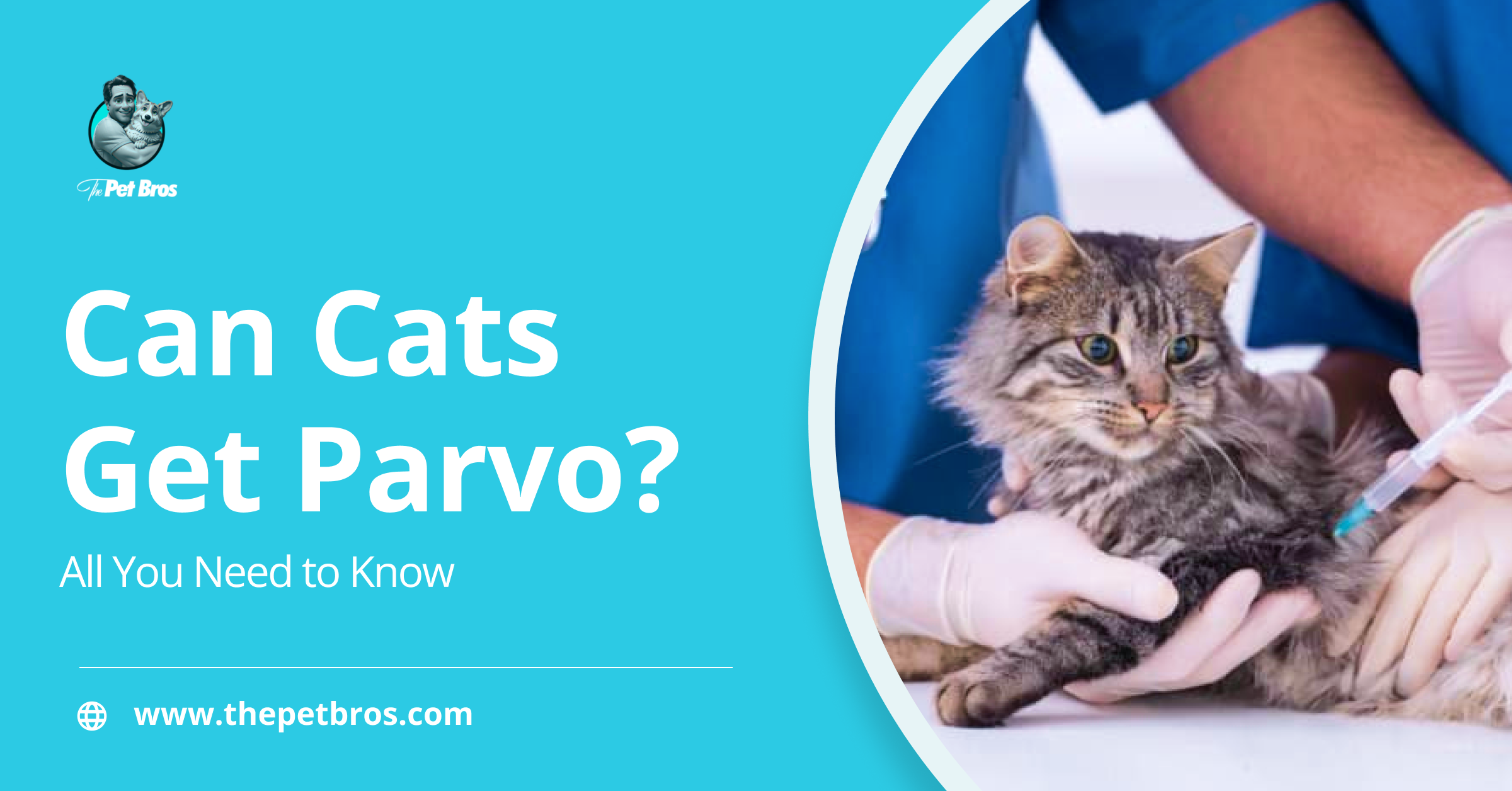
If you suspect your cat may have FPV, getting to a vet quickly is the most important thing you can do. The faster the treatment starts, the better the chances of survival.
- Physical Examination: The vet will start with a full physical examination, looking at clinical signs, reviewing vaccination history, and asking about any known contact with other cats. A combination of severe lethargy, vomiting, diarrhoea, and fever in an unvaccinated cat immediately raises suspicion for FPV.
- Blood Tests: A complete blood count makes a clear diagnosis. A healthy cat has several thousand white blood cells per millilitre of blood. In a cat with FPV, that number can drop to just a few hundred. This reduction, called panleukopenia, is one of the most characteristic signs of the disease and helps the vet distinguish it from other conditions.
- Faecal Tests: The vet may take a faecal sample to test for the presence of the virus. Cats shed FPV in their faeces, and laboratory analysis can identify it directly. It is important to let your vet know if your cat received a panleukopenia vaccine in the 5 to 12 days before testing, as this can sometimes produce a false positive result.
- ELISA Test: A rapid ELISA test can detect FPV antigens from faeces, vomit, or a rectal swab. It can be done in the clinic and gives results quickly. The specificity is very high, between 94 and 100 per cent, though how actively the cat is shedding the virus at the time of the test can affect sensitivity. This test is especially useful when speed matters most.
Treatment Options for Parvo
There is no antiviral drug that targets FPV directly. Treatment is entirely supportive. The goal is to keep the cat alive and stable while its immune system does what it can to fight the virus.
1. Supportive Care
Supportive care covers anti-nausea medication to stop the vomiting. It also includes anti-diarrhoeal treatment where appropriate and continuous monitoring of the cat’s condition. Infected cats are hospitalised and kept in strict isolation to stop the virus from spreading to other patients.
2. IV Fluid Therapy
Dehydration is one of the biggest killers in FPV cases. Aggressive IV fluid therapy is often the most important part of treatment. It restores hydration, corrects dangerous electrolyte imbalances, supports blood pressure, and gives the cat’s organs the best chance of holding on long enough for recovery to begin.
3. Antibiotics and Secondary Infection Management
Antibiotics do not kill FPV, but they are a critical part of treatment. Because the virus wipes out so many white blood cells, the cat’s ability to fight off secondary bacterial infections drops to almost nothing. These secondary infections can be just as deadly as the virus itself, so antibiotics are used to manage and prevent them throughout the course of treatment.
4. Nutritional Support
Most cats with FPV stop eating within the first day or two of showing symptoms. During the acute phase of illness, they are usually kept off food entirely. As recovery begins, nutrition becomes essential for rebuilding strength. Starting with easy-to-digest foods helps the gut recover gently. Probiotics are sometimes recommended to restore the healthy gut bacteria that the virus has destroyed.
5. Isolation and Nursing Care
Throughout the entire treatment period, keep the infected cat completely separate from every other animal. In addition, use dedicated gloves, equipment, and clothing when you handle the cat. Most importantly, wash your hands thoroughly after every interaction.
Survival Rate and Recovery
Parvovirus in cats is serious, and outcomes depend on how quickly treatment begins and how young or vulnerable the cat is.
Studies report survival rates of 20 to 51 percent for cats receiving hospitalised supportive care. For kittens without treatment, the mortality rate can reach as high as 90 per cent. Those are sobering numbers, but they are also a strong argument for acting fast.
Cats that make it through the first four to five days of illness and begin showing signs of white blood cell recovery have a significantly better outlook. Recovery typically takes 10 to 14 days. The silver lining is that cats that survive FPV usually develop lifelong immunity to the virus, meaning reinfection is extremely unlikely.
Can Humans Catch Parvo From Cats?
No. Parvovirus in cats cannot infect humans. The feline strain is completely species-specific. Humans have their own parvovirus, B19, which causes the condition known as slapped cheek disease. It has nothing to do with FPV, and instead, people pass it between themselves, not from cats to people.
What humans can do, however, is carry FPV without knowing it. The virus can survive on hands, shoes, and clothing, so people can carry it from one environment to another. This is why washing your hands thoroughly after handling any cat is important.
Prevention and Vaccination
Kittens receive their first FVRCP vaccination at around 6 to 9 weeks of age, followed by boosters every 3 to 4 weeks until they reach around 16 weeks old. This series exists because maternal antibodies from the mother can interfere with the vaccine’s effectiveness in very young kittens. Multiple doses ensure full protection is in place before those maternal antibodies fade completely.
Vaccination is not a one-time event. Cats receive booster vaccinations every one to three years, depending on their individual circumstances and their vet’s guidance. Cats in higher-risk environments, such as multi-cat households, may need boosters more frequently.
Other preventive measures:
- Disinfect any potentially contaminated surfaces
- Quarantine any new cat before introducing them to resident cats
- Never share food bowls, litter trays, or bedding between cats of unknown vaccination status
- Keep flea treatment up to date, as fleas from infected cats can carry and pass on FPV
- Support your cat’s immune system with a varied, nutritious diet that includes safe options like blueberries, mango, and boiled eggs can support recovery.
How to Disinfect Your Home After Cat Parvo
Use a 1:32 dilution of household bleach, which is roughly half a cup of bleach per gallon of water. Apply it to every potentially contaminated surface, then leave it for at least 10 minutes before rinsing. Wash all bedding, soft toys, and food bowls. Any item that cannot be properly disinfected should be thrown away. Do not bring a new cat or kitten into the home until they have completed their full vaccination course and enough time has passed for the environment to be safe.
Conclusion
Parvovirus in cats is one of the most aggressive feline diseases out there, but it is also one of the most preventable. Vaccination is the single most effective thing you can do for your cat. Keep those boosters up to date, stay alert to the early warning signs, and if something seems off, get to your vet sooner rather than later.
Can Cats Get Parvo? FAQs
Can cats get parvo from dogs?
Cats usually do not catch parvo directly from dogs, but the canine virus is closely related and can sometimes mutate in the environment long enough to pose a risk to unvaccinated cats.
How to treat parvo in cats at home?
Parvo in cats should not be treated at home because it is a life-threatening illness and requires urgent veterinary care.
What are the stages of parvo in cats?
The stages of parvo in cats include an incubation period with no signs, followed by symptoms like vomiting, diarrhoea, fever, and extreme weakness.
Can cats survive parvo?
Yes, cats can survive parvo if they receive early and aggressive veterinary treatment.
Can a cat get parvo twice?
It is very rare for a cat to get parvo twice because surviving infection with the Feline panleukopenia virus usually provides strong, long-lasting immunity.