


Cats are known for their quiet, graceful movements, so when they suddenly start making odd little jerking motions or soft chirping sounds, it can be surprising. Cats hiccups have a way of stopping cat owners in their tracks. It looks strange, sounds unfamiliar, and usually sends you straight into worry mode.
Vets have been noticing hiccups in cats for decades, especially in fast eaters. Long before slow feeders and puzzle bowls existed, cats were already gulping meals and surprising their humans with unexpected hiccup episodes.
These hiccups are often confused with coughing, hairballs, breathing problems, or serious health conditions. This article breaks it all down clearly, so you know what is normal, what is not, and when to take action.
Can Cats Get Hiccups?
Yes, cats can get hiccups. Just like humans and other mammals, cats have a diaphragm, which is the muscle that helps control breathing. When this muscle contracts involuntarily, hiccups can occur.
Cat parents ask this common question because cat hiccups do not sound or look the same as human hiccups. Instead of a loud hic sound, cats’ hiccups often appear as small body jerks or quiet chirp-like noises. They are more commonly seen in kittens, but adult cats can experience them too.
Why Do Cats Hiccup in the First Place?
Cats hiccup when something disrupts their natural breathing rhythm. Picture the diaphragm as a steady drumbeat that keeps breathing smooth and controlled. When that rhythm is disrupted, even briefly, the body responds with small, sudden spasms. That reaction shows up as hiccups.
One common trigger is speed. Some cats eat as if the bowl might disappear. When food goes down too fast, air follows, and the diaphragm responds. Hairballs can also play a role. As fur shifts through the throat, it can irritate nearby nerves and spark those quick spasms. In kittens, the system that controls breathing is still learning its timing, which makes hiccups more likely during growth.
Sometimes, the cause is not purely physical. Cats are observant animals. They notice reactions. A sudden movement or sound often attracts their immediate attention. While hiccups are not something cats do on purpose, the response they get can make the moment linger.
In most cases, the body resets on its own. The rhythm returns, and the hiccups fade without any intervention. Just another brief reminder that even the most composed cats have moments where their bodies steal the spotlight.
Can Cats Get Hiccups When Purring?
Purring and hiccups can happen around the same time, but they are not caused by the same thing. Purring comes from vibrations in the throat. Hiccups come from sudden movements in the diaphragm. They start in different places and serve different purposes.
That said, cats often purr when they are relaxed, comfortable, or enjoying attention. These calm moments are also when breathing slows and becomes more noticeable. If a cat hiccups during this time, it may feel as if the purring caused it. In reality, the two are simply happening at the same time.
Think of a cat curled up beside you, purring softly, breathing deeply, and fully at ease. A small diaphragm spasm in that moment can stand out more than it would during play or movement. The hiccup can be louder, but the purring itself is not the trigger.
Can Cats Get Hiccups Through Food Allergies?
Food allergies do not directly cause hiccups, but they can create conditions that increase the likelihood of hiccups. When a cat reacts poorly to a food ingredient, it can begin to irritate their digestive system. That irritation can affect nearby nerves and lead to brief breathing disruptions.
In some cats, food allergies cause repeated swallowing, mild gagging, or discomfort after meals. These reactions can disrupt normal breathing patterns and trigger hiccups. This is more likely if hiccups appear frequently or always follow eating.
Food-related hiccups often come with other signs. Changes in stool, itching, vomiting, or a sudden loss of appetite may appear alongside them. When hiccups accompany these symptoms, they should not be ignored. A vet can help identify whether food sensitivities are involved and guide safe dietary changes.
When Cats Hiccups Could Be a Problem
While cats hiccups are often harmless, there are situations where they may signal something more serious. Hiccups that last longer than a day, occur very frequently, or appear suddenly in older cats should be monitored closely.
Persistent hiccups can sometimes be associated with underlying conditions such as respiratory issues, gastrointestinal irritation, parasites, or other health concerns. If hiccups are accompanied by symptoms like lethargy, coughing, vomiting, weight loss, or changes in appetite, a veterinary check is advised.
The Signs That Show Your Cat Has Hiccups
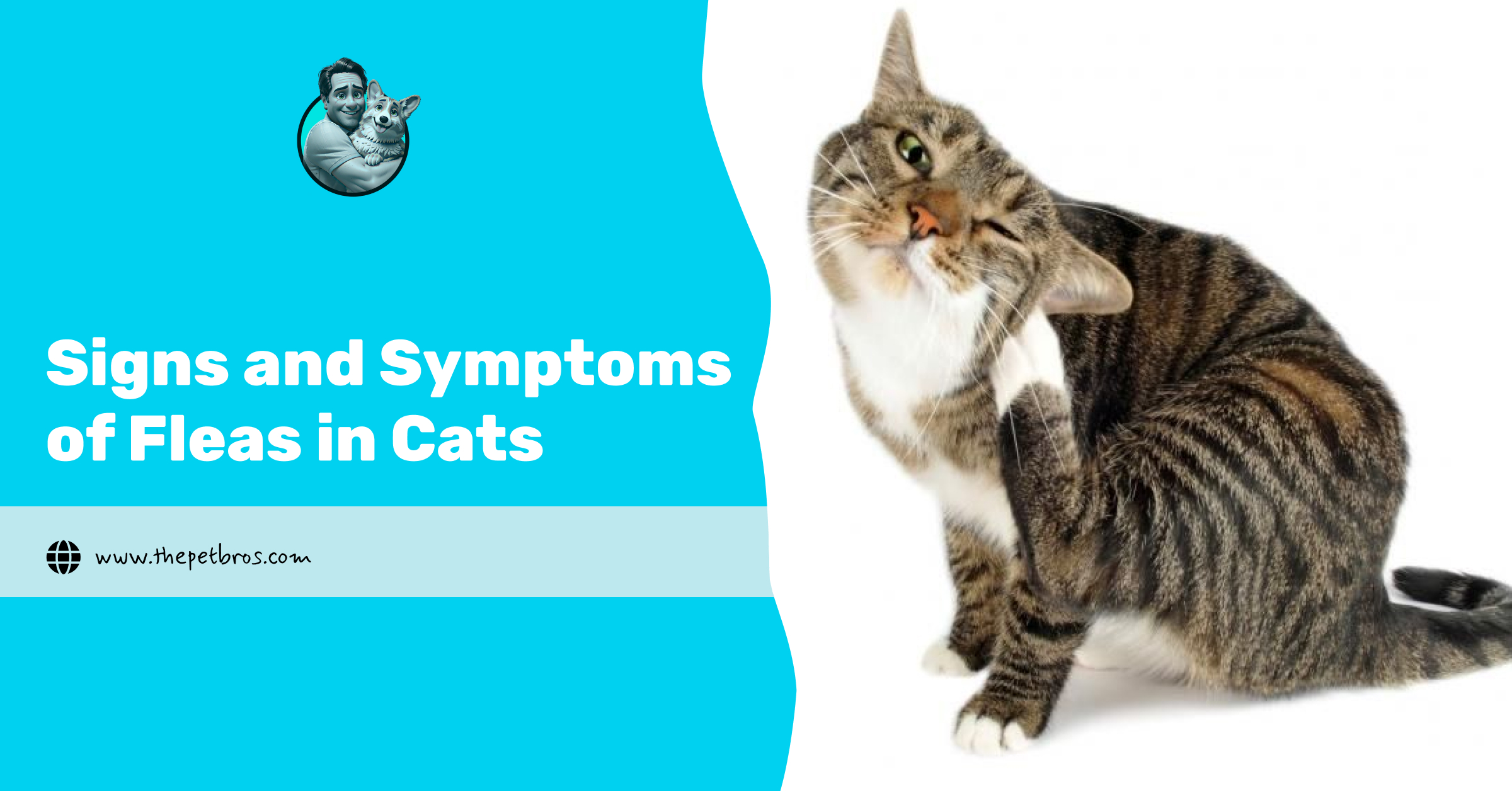
Cats hiccups usually look like small, rhythmic jerking movements of the chest or abdomen. Some cats may make a soft clicking or chirping sound with each spasm.
As mentioned earlier, it can resemble coughing, gagging, or hairball behaviour; therefore, it is important to observe closely. Hiccups tend to be regular and brief, while coughing or hairball-related movements are often more forceful and irregular.
What To Do if Your Cat Gets Hiccups?
- Stay calm and observe: Most hiccups pass on their own. Watch your cat for a few minutes before reacting. If they seem relaxed and normal, there is usually nothing to worry about.
- Give your cat space to settle: Avoid picking your cat up right away. Sudden handling can disrupt breathing and make hiccups feel more noticeable. A quiet moment often helps the body reset.
- Check how fast your cat eats: If hiccups follow meals, speed is often the cause. Slowing feeding time can reduce swallowed air and lower the chance of repeat episodes.
- Offer water, but never force it: Some cats benefit from a few calm sips of water. Always let your cat choose. Never push food or water during hiccups.
- Reduce hairball build-up: Regular brushing limits the amount of fur your cat swallows. Less throat irritation means fewer triggers for hiccups.
- Create a calm feeding environment: Stress can affect breathing patterns. Feed cats separately if competition causes rushed eating.
- Monitor how long the hiccups last: Occasional hiccups are normal. Hiccups that last more than a day or happen daily need attention.
- Contact your vet if something feels off: If hiccups come with coughing, vomiting, lethargy, or appetite changes, a vet check is the safest step.
Now, Do You Need To Worry When Your Cat Starts Hiccupping?
In most cases, no. Cats hiccups are usually brief and harmless. They often appear after eating too quickly, during growth, or when the body resets its breathing rhythm. These moments may look odd, but they rarely signal danger.
What matters most is pattern and timing. Occasional hiccups that stop on their own are normal. Hiccups that last longer than a day, recur frequently, or occur alongside other symptoms warrant attention. Your cat’s behaviour will often tell you more than the hiccups themselves.
When in doubt, trust your judgment and consult a vet. It is always better to ask early than to wait. Most of the time, though, hiccups are just a small pause in an otherwise healthy routine.
Can Cats Get Hiccups FAQs
What can be mistaken for hiccups in cats?
Coughing, gagging, asthma-related breathing issues, and hairball attempts are commonly mistaken for hiccups.
What does a cat hiccupping look like?
A cat hiccuping may show small body jerks or chest movements, sometimes with a quiet chirping or clicking sound.