


Have you ever been petting your cat, only to spot something small and dark darting away from their fur? You part their hair and see it hop off, disappearing just as quickly as it appeared. That’s most likely a flea, but what do cat fleas look like on cats, and how can you tell if they’ve made themselves at home on your pet?
Fleas are more than just a minor nuisance; they can cause itching, irritation, and even lead to serious health problems if left unchecked. But these pesky parasites are masters at hiding, and finding them can be tricky. In other words, identifying and treating fleas in cats can be a challenge. So, how can you spot them on your cat and take action before the infestation grows out of control? We will be discussing that in this article.
What Do Fleas on Cats Look Like?
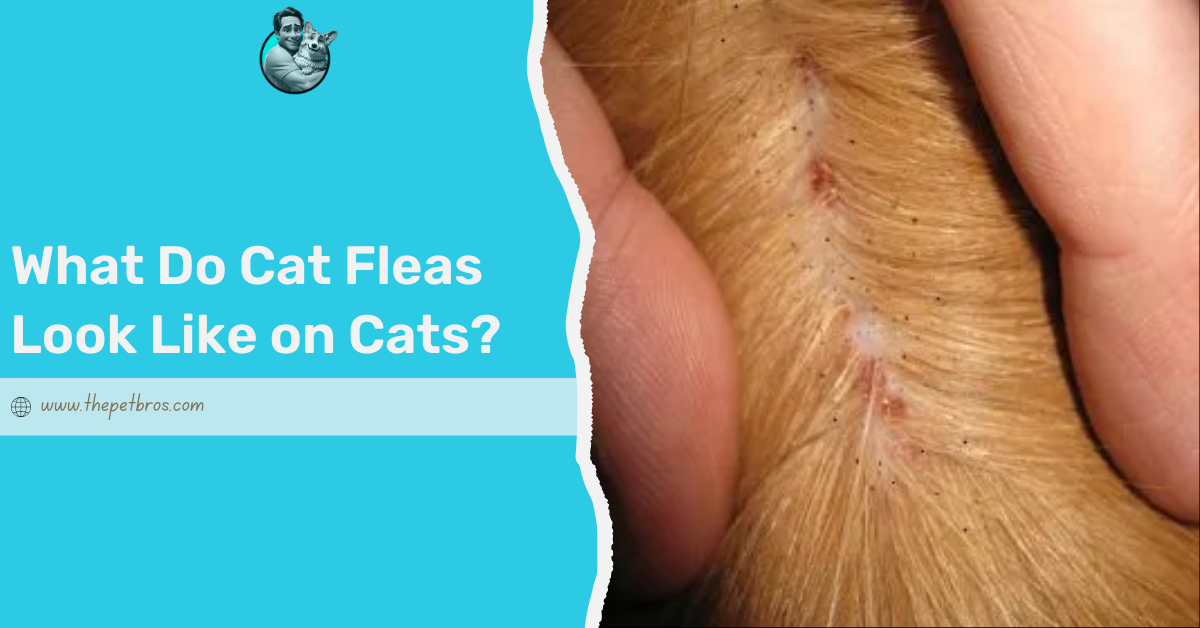
Fleas on cats are surprisingly small but highly active, making them difficult to spot at first. Adult fleas are tiny, wingless insects, typically about 1–2 mm long. They are dark reddish-brown or black, with a flattened body that helps them slip easily through your cat’s fur. Their most striking feature is their powerful hind legs, which enable them to jump up to 100 times their body length, a handy trait that helps them move between animals and into your home.
When looking closely, you might notice that fleas move quickly across the skin, especially around hard-to-reach areas. These areas, where your cat may not be able to groom as easily, are prime spots for fleas to hide and feed.
But fleas aren’t the only signs of an infestation. You may also spot flea dirt, tiny black specks that look like pepper or ground coffee.
Common Signs of Fleas on Cats
- Excessive Scratching or Biting: If your cat is scratching or biting at certain areas, especially around the base of the tail, or the sensitive spots near the legs and groin, fleas may be the culprit. Fleas often favour these regions for hiding and feeding.
- Shaking of the Head: Fleas often congregate around the ears, causing irritation that can lead to head shaking. If your cat keeps shaking its head or scratching around the ears, it may be a sign of fleas.
- Overgrooming and Hair Loss: Fleas can cause your cat to overgroom, leading to patchy hair loss, especially in areas where they can’t easily reach with their paws.
- Presence of Flea Dirt: Flea dirt looks like tiny black specks in your cat’s fur, similar to ground pepper. If these specks turn reddish-brown when placed on a damp paper towel, it’s flea dirt, flea faeces made from digested blood.
- Coughing or Sneezing: While less common, some cats may develop respiratory symptoms such as coughing or sneezing due to flea allergy dermatitis. If your cat is acting oddly, showing signs of irritation, or struggling to breathe well, fleas could be the issue.
- Acting Weird or Restless: If your cat is unusually restless, agitated, or constantly trying to scratch or lick themselves, it might be trying to relieve discomfort from flea bites. This can lead to behavioural changes, such as acting more withdrawn or even aggressively itchy.
Flea Dirt vs Flea Eggs: What’s the Difference?
| Feature | Flea Dirt | Flea Eggs |
|---|---|---|
| Appearance | Tiny black specks, resembling ground pepper | Small, oval, white, resembling grains of salt |
| What Happens When Wet | Turns reddish-brown due to digested blood | Remains white, no colour change when wet |
| Location | Found in your cat’s fur, bedding, and favourite spots | Falls off into bedding, carpets, or furniture |
| Significance | Indicates fleas are feeding on your cat | Shows fleas are reproducing and spreading |
How Fleas Move and Live on Cats
Fleas are highly active and agile insects, capable of moving quickly across your cat’s fur. These tiny, wingless pests rely on their powerful back legs to jump from one host to another, allowing them to travel efficiently between cats, other animals, or even humans. As mentioned earlier, fleas can jump up to 100 times their body length, making them excellent at finding a host to latch onto. Once they land on your cat, they burrow down into the fur close to the skin, where they can easily hide and feed.
Fleas feed by piercing your cat’s skin with their sharp mouthparts and drinking blood. This feeding process can cause itching, irritation, and inflammation, which often leads to excessive scratching and grooming. Fleas do not stay on your cat forever; they often move between your cat and other areas of your home, where they lay eggs and reproduce. This constant movement and reproduction cycle is what makes fleas such a persistent problem if not treated promptly.
Where to Look for Fleas on Cats
- Base of the Tail: One of the first places to check for cat fleas is around the base of your cat’s tail. Fleas love to hide in this area because it’s harder for your cat to reach and groom properly. If you see your cat scratching or licking excessively here, it’s a strong sign of fleas.
- Under the Armpits and Groin: These areas, where your cat’s grooming abilities are limited, are also popular hiding spots for cat fleas. Fleas often find refuge in these soft, protected areas, so be sure to check carefully for any signs of flea dirt or tiny, fast-moving insects.
- Neck and Behind the Ears: Another spot where fleas tend to hide is around the neck and behind the ears. Since these areas can be difficult for your cat to groom properly, they often attract fleas. If your cat is scratching around these areas, fleas could be the cause.
- Belly and Inner Thighs: Check your cat’s belly and inner thighs for signs of fleas. Grooming often misses these areas, allowing fleas to gather there for warmth and protection.
- Tail and Back Legs: Inspect the tail and back legs carefully, as cats often neglect these areas during grooming. Pay close attention to the tail base and the fur on the back legs for flea dirt or active fleas.
Conclusion
Understanding what cat fleas look like on cats is the first step to tackling a flea infestation. Whether you’re spotting tiny, dark insects jumping from your cat’s fur or noticing flea dirt that turns reddish-brown when wet, early detection is key. Fleas cause significant discomfort for your cat. If you leave them untreated, they can lead to serious health issues such as flea allergy dermatitis and anaemia. Thankfully, there are many ways to treat flea in cats, including but not limited to natural treatments, spot-on treatments, and oral treatments.
Regularly check areas such as the base of your cat’s tail, behind the ears, and under the armpits. These checks help you catch fleas early and begin treatment before they multiply. Once you know what to look for, you can act quickly. This helps keep your cat comfortable and flea-free.
What Do Cat Fleas Look Like on Cats? FAQs
What kills fleas on cats immediately?
Topical treatments and oral medications like Capstar work quickly to kill fleas upon contact.
Are cat fleas harmful to humans?
While fleas primarily target cats, they can bite humans and cause itching or irritation, though they cannot live on humans.
What can be mistaken for fleas on cats?
Dry skin, dandruff, or even dust can be mistaken for fleas, but flea dirt (which turns red when wet) is a clear indicator.
Do cat fleas jump?
Yes! Fleas are excellent jumpers, capable of leaping up to 100 times their body length to land on a passing animal or human.
Do cat fleas bite humans?
Yes, fleas can bite humans, particularly around the ankles, but they don’t live on humans.