


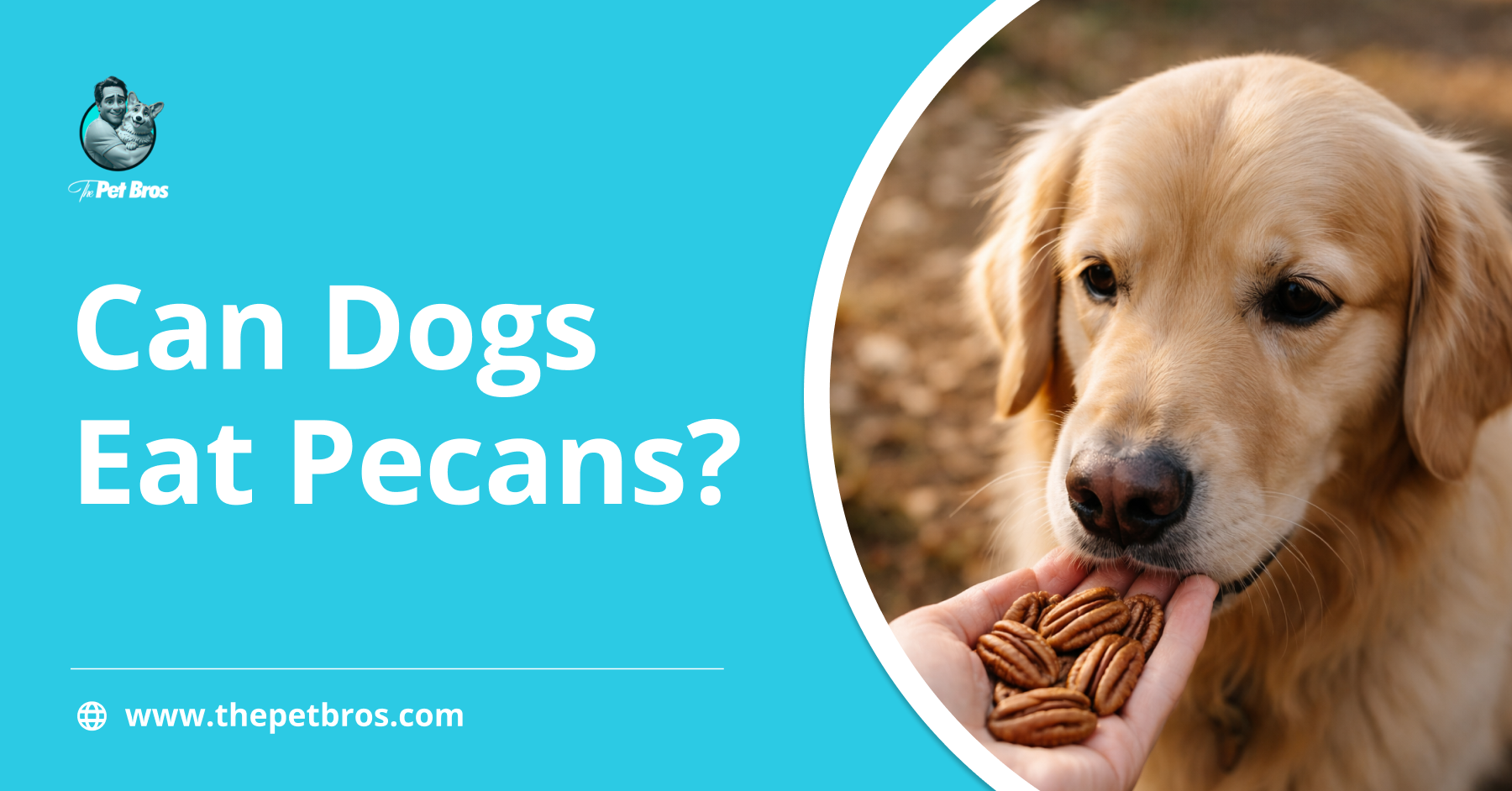
You might feel tempted to share a snack while cracking open a few pecan nuts during the holidays. However, before you toss one to your furry friend, you must ask: Can dogs eat pecans without facing serious health consequences?
While these nuts are a nutritious staple for humans, they act very differently in dogs. In this article, we will discuss the vital details any pet parent needs to avoid an emergency trip to the vet.
Can Dogs Eat Pecans Safely?
No, you should not feed your dog pecans because they are toxic to dogs. While you might enjoy them as a crunchy, heart-healthy snack, these tree nuts pose several life-threatening risks to your pet that outweigh any potential nutritional value. Unlike humans, dogs lack the biological ability to safely process certain compounds found in the nuts’ meat and shells. Even a small handful can lead to severe gastrointestinal distress or, in more serious cases, permanent neurological damage.
The primary danger lies in a natural organic compound called juglone. This substance is found throughout the pecan tree and acts as a potent irritant to a dog’s digestive tract. When a dog ingests juglone, it often triggers a rapid bout of severe vomiting and diarrhoea as the body attempts to expel the toxin.
Furthermore, pecans are notorious for harbouring microscopic moulds that are invisible to the human eye. These moulds produce tremorgenic mycotoxins, which, according to veterinary toxicology reports, can cause a dog to suffer from tremors, loss of coordination, and even fatal seizures. Because the risk of chemical poisoning and mould exposure is so high, the safest choice is to ensure pecans never reach your dog’s bowl.
Can Dogs Eat Pecan Pie?
No, dogs should never eat pecan pie. While the dessert may look harmless, pecan pie combines several ingredients that are especially dangerous for dogs.
Pecan pie is extremely high in fat and sugar, which can quickly upset a dog’s digestive system. Butter, mayonnaise, corn syrup, and sugar can trigger vomiting, diarrhoea, and painful inflammation of the pancreas known as pancreatitis. Dogs with pancreatitis can become seriously ill and may require urgent veterinary treatment.
In addition to the sugar and fat content, the pecans inside the pie still carry the same risks associated with raw pecans. These include exposure to juglone and the potential presence of toxic moulds that may cause tremors or seizures. The combination of fat-heavy ingredients and unsafe nuts makes pecan pie far more dangerous than plain pecans alone.
Some pecan pie recipes and store-bought desserts may also contain artificial sweeteners such as xylitol. Xylitol is extremely toxic to dogs and can cause a sudden drop in blood sugar, liver failure, or even death.
For these reasons, pecan pie should never be shared with dogs, even in small bites. Holiday desserts are best kept completely out of dog’s reach to avoid accidental poisoning or emergency vet visits.
What To Do if Your Dog Eats Pecans
If your dog eats a pecan, stay calm and act quickly. In many cases, an early response can prevent more serious problems.
First, remove any remaining pecans from your dog’s reach. This helps prevent further ingestion, especially if more nuts have fallen on the floor or are within easy access.
Next, observe your dog closely over the next several hours. Watch for signs such as vomiting, diarrhoea, lethargy, or unusual behaviour. Some dogs may also show mild reactions, such as itching or facial discomfort, which can indicate sensitivity to certain foods.
If your dog eats more than one pecan, swallows pecans with the shell, or shows symptoms such as tremors, loss of coordination, or repeated vomiting, contact your veterinarian immediately. These signs can escalate quickly and should not be ignored.
Even if symptoms seem mild at first, it is always safer to call your vet for guidance. Let them know how many pecans were eaten and whether the nuts were fresh or possibly mouldy. Prompt advice can make a significant difference in preventing complications.
Safe Pecan Alternatives for Dogs
- Unsalted peanuts: Safe in small amounts and a good source of protein. Always check that they contain no xylitol.
- Plain cashews: Not toxic to dogs when given occasionally, without added salt or flavouring.
- Slivered or sliced almonds: Safer than whole almonds, which can be a choking risk. Serve only plain and in moderation.
- Hazelnuts: Not toxic to dogs, but high in calories, so limit portions carefully.
Other Healthy Foods That You Can Feed Your Dog
- Carrots: Crunchy, low in calories, and supportive of dental health.
- Green beans: Filling and nutritious when served plain, fresh, or lightly cooked.
- Sweet potatoes: Best served cooked and unseasoned. They provide fibre and support digestion.
- Pumpkin: Plain cooked pumpkin helps with digestive regularity and gut health.
- Apples: Remove the core and seeds. Apples provide fibre and vitamins.
- Blueberries: Small, antioxidant-rich treats that most dogs enjoy.
- Strawberries: Safe in moderation and a natural source of vitamin C.
- Bananas: Soft, easy to digest, and suitable in small portions due to sugar content.
- Cucumbers: Hydrating, low-calorie, and ideal for dogs watching their weight.
- Watermelon: Remove seeds and rind. Offers hydration and natural sweetness.
- Cooked chicken or turkey: Lean protein when served plain, skinless, and boneless.
- Cooked fish: Deboned and unseasoned fish provides healthy fats and protein.
- Eggs: Cooked eggs are safe and offer high-quality protein.
- Plain yoghurt: Unsweetened and unflavoured varieties can support gut health in some dogs.
- Corn: Corn contains carbohydrates, fibre, and small amounts of protein. And this explains why it is commonly found in commercial dog diets, too.
These options give your dog variety without the risks associated with nuts. Keep portions small, avoid seasoning, and introduce new foods gradually to prevent stomach upset
Conclusion
So, can dogs eat pecans? The safest answer is no. Pecans pose multiple risks to dogs and offer no real nutritional benefit. From digestive upset to more serious reactions, the potential harm outweighs any benefit of sharing them.
To keep your dog healthy, store pecans and other tree nuts well out of reach and choose safer snack alternatives instead. A balanced diet made up of dog-friendly foods and vet-approved treats is always the better choice for long-term well-being.
Can Dogs Eat Pecans? Frequently Asked Questions
What nuts are poisonous to dogs?
Macadamia nuts and hickory nuts are highly toxic, while pecans and black walnuts carry dangerous mould risks.
Can dogs eat pecans or walnuts?
No, both pecans and walnuts contain juglone and are prone to growing moulds that cause tremors and seizures.
Can dogs eat pecan shells?
No, shells are a choking hazard and are very likely to harbour toxic moulds that can make your dog extremely sick.
What nuts can dogs eat?
Dogs can eat small amounts of plain, unsalted peanuts, cashews, hazelnuts, and slivered almonds.
How long after eating pecans will a dog get sick?
Digestive symptoms like vomiting can appear within a few hours, while neurological signs from mould can develop rapidly after ingestion.