


Your cat might look calm as they sit by the window, but sometimes that stillness hides something more complicated. Maybe they flinch at a sound you barely notice. Maybe they bolt under the sofa when nothing obvious has happened. Or perhaps they stay tense long after a stressful moment has passed.
When fear lingers like that, it stops looking like ordinary stress and starts raising a bigger question: Can cats have PTSD? In this article, we explore whether cats can have PTSD, what it looks like, and how you can help your cat happier life.
Can Cats Have PTSD?
Yes, cats can develop long-lasting trauma responses that closely resemble post-traumatic stress disorder in humans. However, veterinarians do not formally diagnose cats with PTSD in the same way doctors diagnose it in people. Instead, professionals describe it as trauma-related stress or chronic anxiety following a frightening event.
If your cat experiences something terrifying or deeply distressing, their nervous system can remain stuck in “survival mode” long after the danger has passed.
Now that you understand what trauma-related stress means in cats, let’s look at what can trigger it in the first place.
6 Causes of PTSD in Cats
Not every fearful reaction begins the same way. Sometimes it starts with one moment. Other times, it builds slowly over weeks or months until your cat no longer feels safe in their own space. Here are some of the common triggers that can leave a lasting imprint on a cat:
1. Physical Abuse or Neglect
A cat that has experienced harsh handling, prolonged neglect, or violence may remain tense long after rescue. When a cat repeatedly experiences pain, separation, fear, or instability, their stress system adapts to expect danger rather than security.
2. Sudden Abandonment or Rehoming
Cats rely heavily on familiarity. A sudden change in environment, caretakers, or routine can feel destabilising. When this shift happens abruptly, especially without a gradual adjustment. Some cope properly. Others begin seeking attention constantly, following you from room to room as if reassurance has become their new survival strategy.
3. Accidents or Injuries
A fall, car accident, or attack can leave both physical and emotional scars. Even after the body heals, the memory of pain can linger. A previously confident cat may hesitate near doorways, flinch during play, or avoid spaces associated with the incident.
4. Loud or Frightening Events
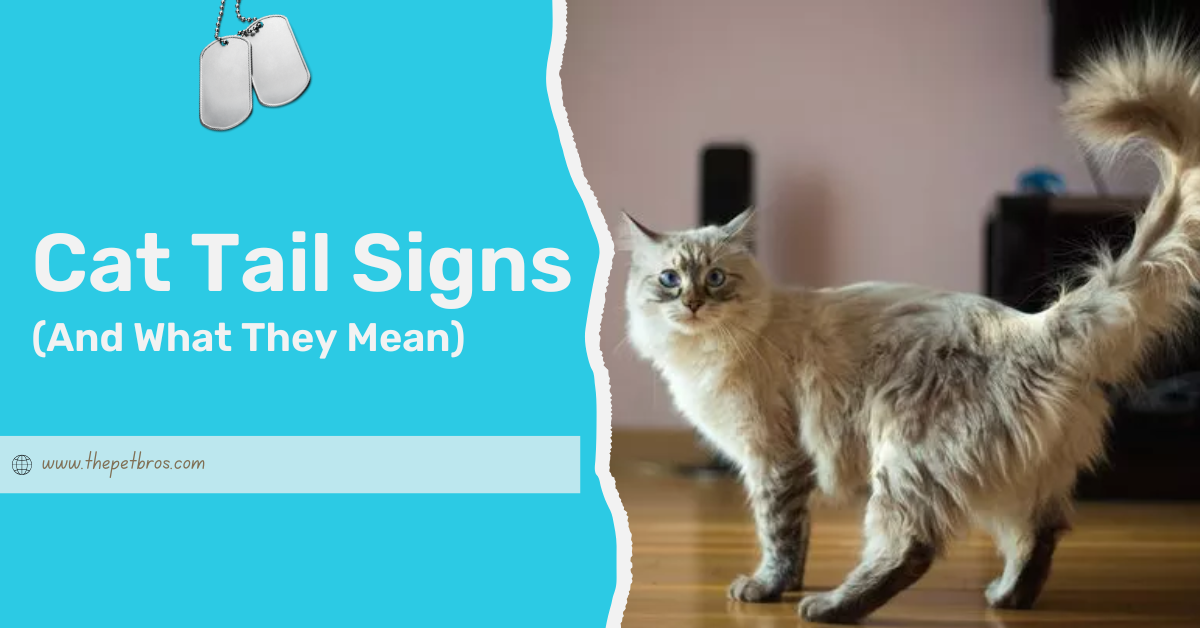
Fireworks, construction noise, shouting, or chaotic households can overwhelm a sensitive cat. Repeated exposure keeps their stress system activated. You may see subtle signs, such as tail flicking or a rigid tail posture, during what should be relaxed moments.
5. Medical Trauma
Prolonged hospital stays, painful or invasive procedures, and repeated restraints can create negative associations. While medical care protects a cat’s health, the experience itself may feel invasive or frightening from their perspective.
6. Loss of a companion
Cats form strong attachments to both humans and other animals. When a bonded companion dies or suddenly disappears, the emotional impact can be significant. Cats register absence, disruption, and change within their social structure.
7 Signs Your Cat May Have PTSD
Once trauma settles in, it rarely announces itself. If you know your cat well, you will notice when something feels off. Here are the signs to watch for:
- Excessive Hiding or Withdrawal: Every cat enjoys a quiet nap in a warm corner. But if your cat spends most of the day hidden, avoids eye contact, or refuses to come out even for favourite activities, that is not normal shyness. It is avoidance.
- Unusual Aggression or Defensive Behaviour: A cat that once tolerated strokes may suddenly swat or bite. They may react strongly to harmless movements. This happens because their nervous system stays primed for danger. Even a wagging tail can shift from playful to tense in seconds.
- Hypervigilance: You may notice your cat scanning the room constantly, ears rotating at every minor sound. They startle easily. They struggle to fall asleep. A relaxed, loosely curled sleeping posture often disappears, replaced by light, interrupted rest.
- Changes in Appetite: Trauma often affects eating patterns. Some cats lose interest in food entirely. Others overeat as a coping response. If your cat suddenly refuses even high-quality, healthy food they once enjoyed, that change deserves attention.
- Inappropriate Toileting: Stress interferes with normal routines. A litter-trained cat may begin urinating or defecating outside the box. This behaviour signals anxiety, not spite.
- Excessive Grooming or Physical Signs of Stress: Overgrooming can lead to bald patches or irritated skin. Some cats may sneeze more frequently or show mild digestive upset during periods of heightened anxiety. Stress affects the body as well as the mind.
- Sudden Behaviour Changes: Sometimes there is a dramatic behavioural change, sometimes there isnt. Your cat may just begin to feel different. They may become unusually clingy and constantly demand attention. Or they may go unusually silent, stop playing and interacting with you.
How to Help a Traumatised Cat
- Create a calm and predictable environment: Keep routines consistent. Feed, play, and settle your cat at similar times each day so they feel secure.
- Use positive reinforcement and gentle handling: Reward calm behaviour with treats or praise. Let your cat approach you rather than forcing interaction.
- Reduce known stress triggers: Limit loud noises, sudden movements, and abrupt changes in the home whenever possible.
- Use calming aids if needed: Pheromone diffusers and other vet-approved calming products can help create a more reassuring atmosphere.
- Seek professional guidance: A veterinarian or qualified feline behaviourist can design a structured behavioural plan tailored to your cat.
- Consider medication in severe cases: If anxiety remains intense, your vet may recommend medication to stabilise your cat while behavioural work continues.
Conclusion
So, can cats have PTSD? While cats do not experience post-traumatic stress disorder exactly as humans do, they can develop lasting trauma-related stress that affects their behaviour and well-being. The key is recognising changes early and responding with patience, structure, and professional support when needed. With the right care, your cats can regain confidence and feel safe again.
Can Cats Have PTSD? FAQs
Can cats develop PTSD from interactions with other cats?
Yes, repeated bullying or aggressive encounters with other cats can cause lasting stress and trauma.
How can I help a cat with PTSD?
Provide a safe, calm environment, gentle interaction, and seek guidance from a vet or feline behaviourist if needed.
What are the signs of emotional trauma in cats?
Hiding, aggression, over-grooming, avoidance, and changes in eating or sleeping can all indicate trauma.
Can kittens experience trauma like adult cats?
Yes, kittens can be deeply affected by frightening events and may develop long-term fear responses.