


If you have ever tried to remove cat pee smell, you already know it is not like dealing with ordinary household odours. The smell doesn’t just fade away over time, and spraying something pleasant on top doesn’t fix the problem. Cat urine has a sharp, lingering odour that can permeate carpets, furniture, and even entire rooms if not handled properly.
This guide explains how to get rid of cat pee smell, using methods that target the source rather than covering it up.
First, Why is Cat Pee Smell So Hard to Remove?
Cat urine contains uric acid crystals that bind tightly to surfaces and do not dissolve readily in water. Even after the visible stain disappears, these crystals remain and reactivate when exposed to moisture or humidity. That is why the smell can suddenly return on warm days or after cleaning.
Moreover, standard household cleaners often remove surface dirt but fail to break down these crystals. As a result, the area smells clean at first but never truly becomes odour-free. It goes without saying that removing cat pee smell requires products and methods that work at a chemical level, not just on the surface like regular household cleaners.
Top 10 Ways to Remove Cat Pee Smell
1. Find the Source of the Cat Pee Smell
Before you clean anything, you need to find where the urine actually is. Cat pee does not always stay where you expect it. It can spread under rugs, soak into padding, or reach the base of walls and the legs of furniture.
Take your time to inspect areas where your cat spends time, especially corners, soft furnishings, and hidden spots. If you miss even a small patch, it can continue releasing odour and undo all your cleaning efforts.
2. Blot Fresh Urine Immediately
To put it simply, speed matters, especially if the urine is still fresh. Blotting removes liquid before it has time to soak deeper into the material. To do this, press paper towels or cloths firmly onto the area and replace them until they come away mostly dry.
Also, avoid rubbing or scrubbing at this stage. Rubbing spreads urine further and forces it deeper into fibres, making it harder to remove later. This simple step can significantly reduce the difficulty of the cleanup.
3. Use Enzymatic Cleaners to Remove Cat Pee Smell
Enzymatic cleaners are designed specifically for pet urine. They contain enzymes that break down the compounds responsible for odour, including uric acid. This makes them far more effective than general-purpose cleaners.
Apply the cleaner generously so it reaches the same depth as the urine, then allow it to sit for the full time stated on the label, even if the area looks clean sooner. Allowing the surface to air-dry is important, as rinsing too early can prevent enzymes from fully degrading urine compounds.
4. Avoid Products That Only Mask Odours
Strongly scented sprays and air fresheners may temporarily improve a room’s smell, but they do not remove cat urine. In some cases, they mix with the urine smell and create an even stronger odour.
Cats are also sensitive to strong smells. Masking products can irritate them, cause breathing difficulties, and may even encourage repeat urination in the same spot. When your goal is to remove cat pee smell, neutralising the odour always works better than covering it.
5. Consider Using Baking Soda for Lingering Odours
Baking soda helps absorb residual odours after proper cleaning. It works best once the area is dry and most of the urine has already been removed. Sprinkle a thick layer over the affected area and leave it for several hours or overnight. Vacuum thoroughly afterwards to remove any residual stain.
However, understand that baking soda will not remove deep urine on its own; nonetheless, it is useful as a finishing step.
6. Use Hydrogen Peroxide for Hard Surfaces
Hydrogen peroxide can help with stubborn stains and lingering smells, especially on tiles or sealed surfaces. However, it can lighten fabrics, so testing a small hidden area first is essential. In other words, use it only when the material can tolerate it and when other methods have already reduced the urine. Like baking soda, this approach is most effective when used as a targeted solution rather than as a first step.
7. Removing Cat Pee Smell from Soft Furnishings
Carpets, sofas, and mattresses absorb urine quickly. Cleaning only the surface rarely solves the problem. You need to treat a wider area than the visible stain because urine spreads as it sinks.
Apply the enzymatic cleaner deeply and allow it to dry completely. If the smell persists, repeat the treatment rather than switching products. When urine reaches carpet padding or furniture foam, full removal may require professional cleaning or replacement.
8. Rinse and Flush the Area After Enzyme Treatment
Once an enzymatic cleaner has had enough time to break down the urine compounds, a gentle rinse can help remove any remaining residue. This step is suitable for washable or sealed surfaces where water will not cause damage.
Use clean water sparingly and blot or extract the area immediately afterward. This helps lift loosened urine particles out of fibres rather than leaving them behind to reactivate later. Skipping this step can allow residue to remain trapped, which may continue releasing odour over time.
9. Use a Wet Vacuum or Extraction Method for Deep Odours
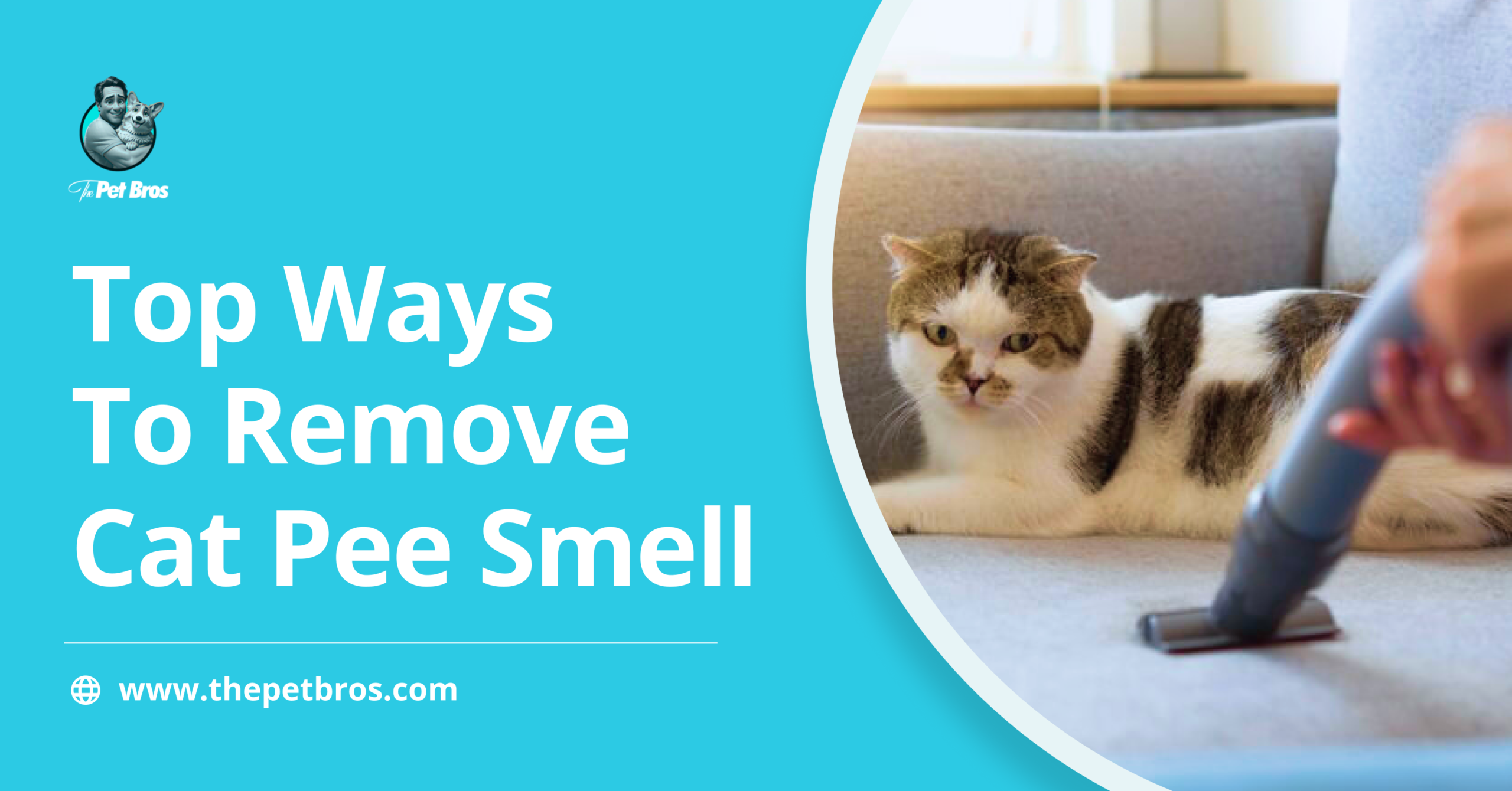
When cat urine soaks beyond the surface, regular blotting is no longer enough. Wet vacuums or carpet extractors work by pulling contaminated liquid from deep within carpet fibres, padding, or upholstery.
This method is especially useful after applying enzymatic cleaners, as it removes broken-down urine rather than spreading it. Avoid steam cleaners, as heat can set urine smells permanently. Proper extraction helps eliminate odour at the depth where it often lingers longest.
10. Seal the Surface When Odour Cannot Be Fully Removed
In severe cases, cat urine penetrates materials such as wooden subfloors, concrete, or baseboards. When repeated cleaning cannot fully remove the smell, sealing the surface becomes necessary.
Odour-blocking sealants trap residual urine compounds and prevent their release into the air. This method is commonly used as a last resort during renovations or deep cleaning. While it does not remove the urine, it effectively prevents the smell from returning.
How to Remove Cat Pee Smell from a Suitcase
Washable items are easier to treat, but heat can lock in odours. Rinse affected items in cold water first if possible, then pre-treat with an enzyme cleaner. Wash as normal and let the item air dry before using heat. If you still smell urine after drying, repeat the process. Using a tumble dryer too early can permanently set the smell.
What Not to Use When Learning How to Get Rid of Cat Pee Smell
Some products do more harm than good. The biggest mistake is reaching for strong household cleaners without considering how they affect cats.
Avoid ammonia-based cleaners completely. Ammonia smells similar to urine, and cats can mistake it for a marking signal. This can encourage repeat urination in the same spot, undoing all your cleaning work. It also adds another harsh smell on top of an already difficult one.
Be careful with strongly scented sprays and essential oil cleaners. While they may seem effective at first, they often irritate a cat’s sensitive nose and airways. Cats exposed to heavy fragrances may start sneezing or coughing shortly after cleaning.
Never mix cleaning products. Combining substances such as bleach and ammonia can release toxic fumes that are dangerous to both humans and pets. Even without mixing, frequent use of harsh chemicals in poorly ventilated areas increases your cat’s risk of long-term health problems.
Conclusion
To successfully learn how to get rid of cat pee smell, you need to work with the problem rather than against it. That means targeting the urine itself, avoiding products that confuse cats or irritate their airways, and giving proper treatments enough time to work. Shortcuts often lead to lingering odour, repeated accidents, or unnecessary health risks.
How Do You Remove Cat Pee Smell FAQs
How to get rid of cat urine smell fast?
Blot immediately and apply an enzyme-based cleaner as soon as possible.
How to remove cat pee smell from a suitcase?
Clean thoroughly with enzyme cleaner, air dry fully, and repeat if needed.
Will vinegar get the cat pee smell out of the carpet?
Vinegar may reduce odour in the short term, but often fails to remove it completely.