


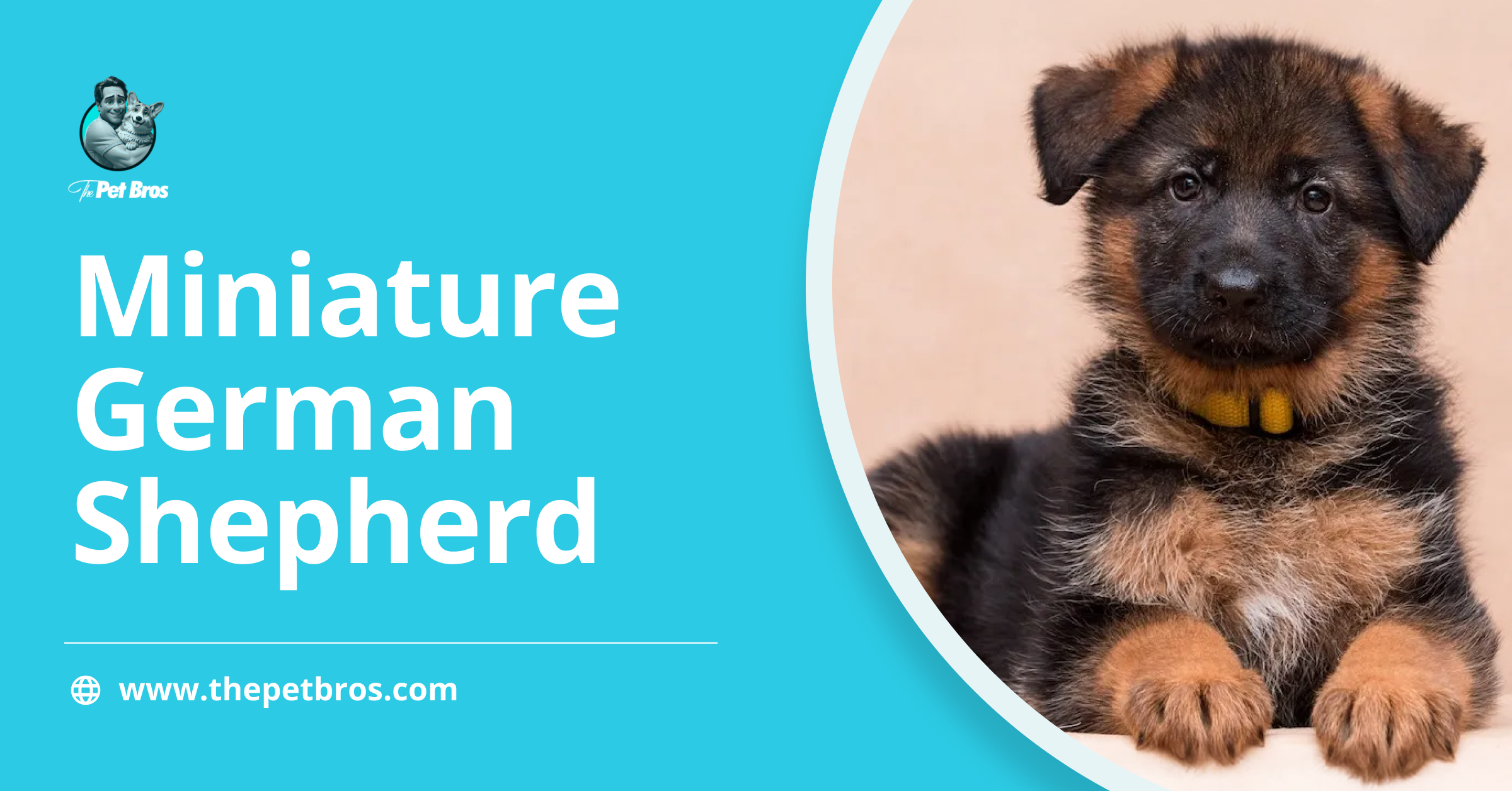
Miniature German Shepherd dogs catch attention almost instantly. They look familiar. They carry that confident stance, alert expression, and loyal energy that people love in German Shepherds. Yet something feels different. The size. The build. The question that follows is always the same. Is a miniature German Shepherd real, or is it just a name people use loosely?
Interest in smaller dogs has grown over the years, especially among owners who love working breeds but need something more manageable. That demand has pushed breeders, mixes, and labels into the spotlight. Some are genuine hybrids. Others are misunderstood. A few are flat-out misleading.
This article clears the confusion. You will learn what a miniature German Shepherd actually is, how they compare to standard German Shepherds, and what to know before deciding if one fits your home and lifestyle.
What Is a Miniature German Shepherd?
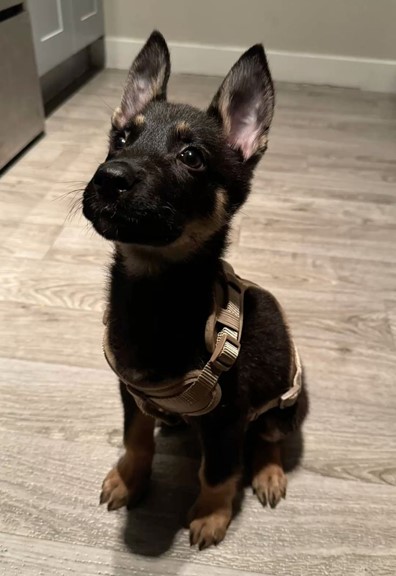
A miniature German Shepherd is not a smaller version of a recognised dog breed. There is no officially approved miniature German Shepherd in kennel clubs. What most people call a miniature German Shepherd is typically a mixed-breed dog designed to resemble a German Shepherd in a smaller size.
In most cases, this dog is a cross between a standard German Shepherd and a smaller, highly intelligent breed. Border Collies and Poodles are common pairings. The goal is simple. Keep the alert look, loyalty, and sharp mind of a German Shepherd, while reducing size and making the dog easier to manage in modern homes.
Some assume these dogs are runts of the litter. Others think they are purebred German Shepherds bred to be smaller. Neither is usually true. Runts are simply smaller puppies that still grow into standard dogs. Dwarfism is a genetic condition and not the same thing as a miniature German Shepherd.
What you are really looking at is a hybrid. One shaped by demand for a dog that feels familiar but fits different lifestyles.
The History of the Miniature German Shepherd
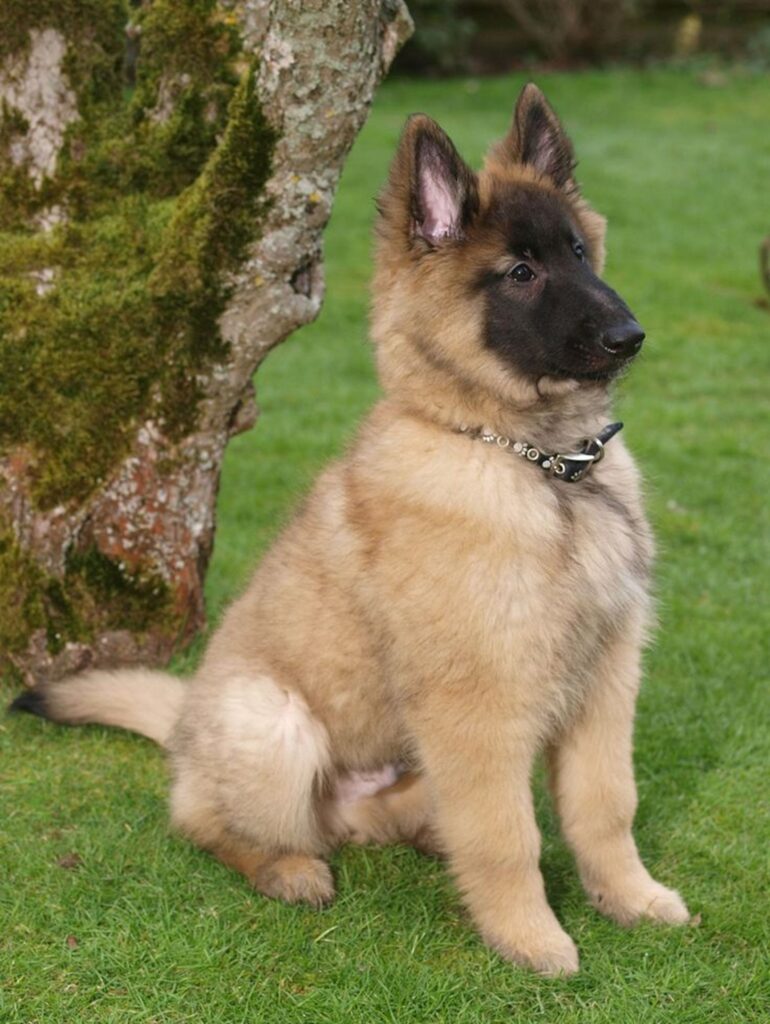
The miniature German Shepherd is a modern response to changing lifestyles, not an ancient breed with a long pedigree. The standard German Shepherd was first developed in Germany in 1899, bred for intelligence, strength, and working ability. For decades, size was part of the appeal. Bigger meant stronger, and stronger meant more capable.
As living spaces changed, especially in urban areas, demand shifted. By the early 2000s, interest in smaller, more adaptable dogs rose sharply. Owners still wanted the sharp instincts and loyal nature of a German Shepherd, but in a body that fit their lifestyle. This is where the idea of the miniature German Shepherd began to take shape.
Rather than shrinking the original breed, breeders started crossbreeding. German Shepherds were paired with smaller, intelligent dogs like Border Collies or Poodles. The result was not a purebred, but a hybrid that carried familiar traits in a reduced frame. Over time, the name miniature German Shepherd stuck, even though it describes appearance more than genetics.
It is important to distinguish this from other German Shepherd varieties already in existence. Standard German Shepherds come in recognised colours such as black and tan, solid black, sable, white, blue, liver, and even rare panda markings. These dogs are still full-sized German Shepherds. Their colour does not make them smaller, rarer, or genetically different in structure.
The miniature German Shepherd stands apart from these variations. It is not defined by colour or coat, but by deliberate mixing and size reduction.
How Big Does a Miniature German Shepherd Get?
A miniature German Shepherd is noticeably smaller than a standard German Shepherd, but there is no single size that defines them. Most stand between 15 and 20 inches at the shoulder and weigh roughly 30 to 50 pounds as adults.
Build can vary just as much as size. Some look lean and agile, especially if they inherit traits from Border Collies. Others appear stockier with thicker coats, which is common in mixes involving Poodles or similar breeds.
This variation comes down to genetics. Because the miniature German Shepherd is a hybrid, size depends on which parent traits dominate. Even puppies from the same litter can grow into noticeably different builds. That unpredictability is one of the defining traits of this dog type.
Miniature German Shepherd vs Standard German Shepherd
| Feature | Miniature German Shepherd | Standard German Shepherd |
|---|---|---|
| Breed status | Hybrid mix, not a recognised purebred | Recognised purebred breed |
| Average height | 15–20 inches | 22–26 inches |
| Average weight | 30–50 pounds | 50–90 pounds |
| Body build | Compact, lighter frame | Large, muscular, powerful |
| Energy level | High, but easier to manage | Very high, work-driven |
| Space needs | Suitable for smaller homes with exercise | Best suited to larger spaces |
| Trainability | Highly intelligent and eager to learn | Extremely intelligent and task-focused |
| Exercise demand | Moderate to high | High to very high |
| Predictability | Varies due to mixed genetics | More predictable in size and temperament |
| Typical role | Companion, active family dog | Working dog, protection, service roles |
Temperament and Personality
They form strong bonds with their people and prefer to stay close, often choosing one person as their anchor. This attachment makes them attentive, protective, and deeply aware of their surroundings.
Intelligence is another defining trait. These dogs learn quickly and respond well to structure. They enjoy having a task, even if that task is as simple as following routines or solving small challenges at home. Mental stimulation matters just as much as physical activity.
Social behaviour can vary. Some miniature German shepherds are friendly and curious. Others are more reserved. It is not uncommon for them to prefer familiar faces over busy social settings. Crowded parks, frequent strangers, or constant interactions may overwhelm them rather than excite them. With early exposure and calm training, they can adapt well.
Exercise and Training Needs
This German Shepherd needs daily movement to stay balanced. Most do well with 60 to 90 minutes of activity spread across the day. Walking alone is not enough. They benefit from games, training sessions, and tasks that keep their minds active.
Training should start early and stay consistent. These dogs respond best to calm guidance and clear expectations. Short, focused sessions are more effective than long drills. When exercise and training are balanced, problem behaviours are far less likely to appear.
Health and Lifespan
A miniature German Shepherd is generally healthy, but its well-being depends heavily on genetics, care, and a healthy diet. Most live between 9 and 16 years, with lifespan often influenced by the size and health of the parent breeds involved.
Like standard German Shepherds, they may be prone to joint issues such as hip or elbow problems, especially if overfed or exercised poorly during growth. Digestive sensitivity can also affect some dogs, making food choice important. A balanced diet with high-quality protein helps support muscle health, energy levels, and long-term mobility.
Portion control matters. Overfeeding can add unnecessary weight, placing stress on joints and shortening lifespan. When diet, exercise, and routine care are well managed, many miniature German shepherds remain active and alert well into their senior years.
Now, Is a Miniature German Shepherd Right for You?
A miniature German Shepherd can be a great fit for the right owner. They offer intelligence, loyalty, and alertness in a more manageable size. They thrive with structure, routine, and meaningful interaction.
However, they are not low-effort dogs. They need daily activity, mental engagement, and a calm environment they can trust. If you want a companion that bonds closely, prefers familiarity, and stays active without needing a huge space, this breed can be a strong match. Understanding what they are and what they are not is the key to making the right choice.
Miniature German Shepherd FAQs
Why does my German Shepherd get hiccups?
Hiccups in German Shepherds often happen after eating too quickly, swallowing air, or during growth. Occasional hiccups are usually harmless.
What dog breed is like a German Shepherd but smaller?
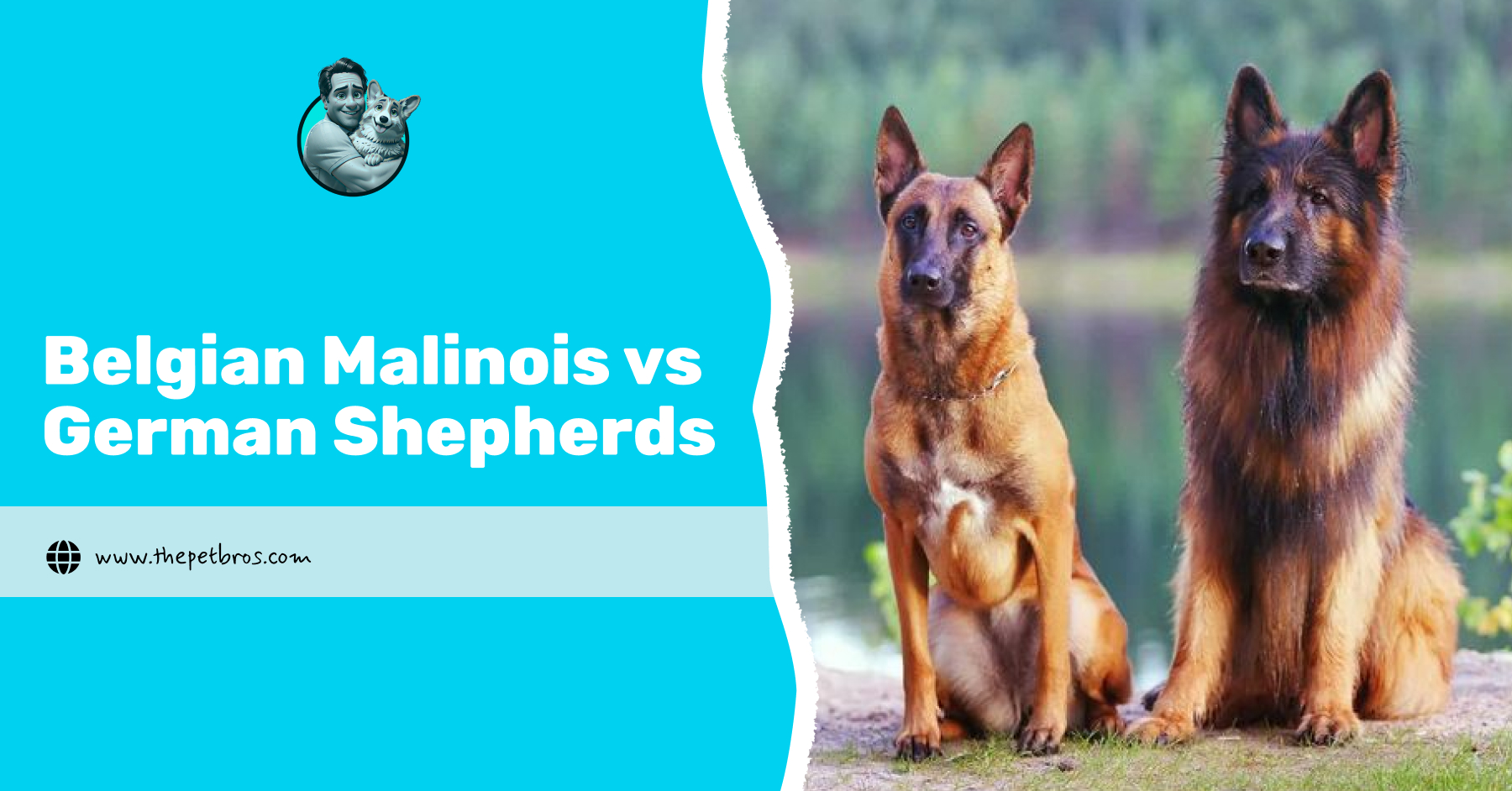
Breeds like the Belgian Malinois, Shollie, and some German Shepherd mixes offer similar traits in a smaller or lighter frame.
How long do mini German Shepherds live?
Most miniature German shepherds live between 9 and 16 years, depending on genetics, diet, exercise, and overall care.