


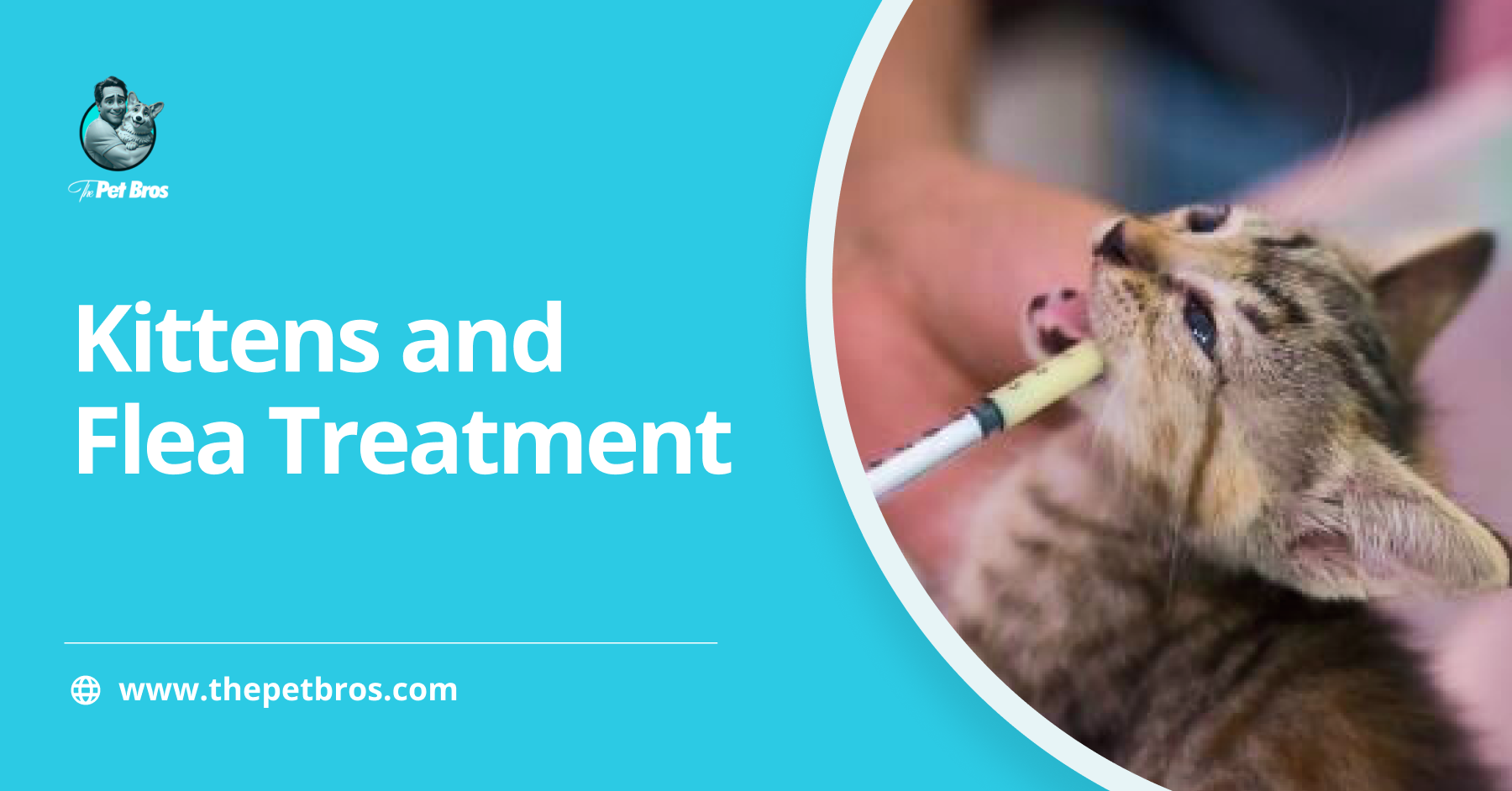
Bringing a new kitten home is an exciting time for any pet owner. However, discovering tiny parasites crawling through their soft fur can quickly cause worry. You might feel a rush to clear the infestation immediately to keep your home clean. Yet the rules for kittens and flea treatment differ from those for adult cats.
Using the wrong product or a high dose can lead to serious health issues for a young pet. You must balance the need for a flea-free home with your fragile new companion’s safety. This article explains how to manage these pests safely without risking your kitten’s well-being.
How Safe is Kittens and Flea Treatment?
Flea treatments can quickly induce poisoning in kittens if you use the wrong product or dosage. Symptoms of toxicity often appear between one and twelve hours after you apply the treatment. You might notice your kitten vomiting, drooling, or struggling to breathe properly.
Some chemicals found in dog products, like permethrin, are lethal to cats and kittens. You must always read labels to ensure the active ingredients are safe for small animals. Organophosphates in gardening products can also be life-threatening to your pet. If you notice signs of a reaction, wash the product off immediately with lukewarm water.
Use a gentle dish soap to help remove the chemical from their fur. Then, call your vet or an animal hospital for urgent instructions. Flea treatments for cats and kittens require extreme care due to feline sensitivity. Failing to treat fleas can lead to serious blood loss or anaemia in young cats.
When to Start Flea Treatment for Cats and Kittens
Most kittens can safely receive topical flea prevention once they reach eight to ten weeks of age. You must also ensure they weigh more than 1.5 to 2 pounds before applying these medications. Manufacturers rarely test flea products on cats weighing less than this limit. Therefore, using these solutions too early may expose your pet to dangerously high doses.
Your veterinarian can help you find a prescription specific to your kitten’s exact size and age. Consider these common options for older kittens:
- Capstar: You can use this for kittens as young as 4 weeks old if they weigh at least 2 pounds.
- Frontline Plus: This treatment is safe for kittens eight weeks old, weighing at least 1.5 pounds.
- Advantage Treatment: You may apply this to kittens eight weeks or older who weigh at least two pounds.
- Revolution: This product is often approved for kittens weighing up to five pounds at eight weeks of age.
Always read the specific product label to confirm it is safe for your young feline. If your kitten is too young for these products, you must use natural methods to manage parasites. Treating the mother cat can also help prevent fleas from spreading to a young litter.
How to Get Rid of Fleas on Kittens Naturally
If your kitten is too young for chemical products, you can use natural flea treatment methods to manage parasites. These approaches physically remove fleas without using active ingredients that might harm a small animal.
Follow these steps to treat your kitten safely at home:
- Use a Flea Comb: Pass a fine-toothed comb through your kitten’s fur once or twice daily.
- Prepare Soapy Water: Dunk the comb in hot, soapy water to kill the fleas you remove.
- Bathe Your Kitten: Give them a bath in lukewarm water to physically rinse away adult fleas.
- Select Gentle Soap: Use a non-medicated, fragrance-free dish soap or a natural baby shampoo.
- Create a Soap Barrier: Apply a ring of soap around the neck to stop fleas from reaching the face.
- Rinse Thoroughly: Ensure you remove all soap residue so the kitten does not ingest it while grooming.
- Dry Quickly: Wrap your kitten in a warm towel immediately to prevent them from getting a chill.
- Clean the Home: Wash all pet bedding in a hot wash cycle of at least 60 degrees.
Natural methods only eliminate adult fleas and do not prevent new ones from jumping back on. You must repeat these steps regularly until your pet is old enough for a long-term flea treatment for cats and kittens.
You may also consider herbal flea treatments to augment the natural flea care plan you have in place.
4 Risks to Avoid in Kittens and Flea Treatment
1. Permethrin
Permethrin is a common chemical in dog flea products, but it is highly toxic to cats. A kitten’s liver cannot process this substance, which can lead to tremors, seizures, or death. You must never apply a flea treatment designed for dogs to your kitten. Even accidental contact with a treated dog in the home can pose a significant risk.
2. Essential Oils
Many owners believe essential oils like peppermint, tea tree, or cinnamon are safe, natural alternatives. However, these oils are hazardous to kittens and can cause severe poisoning or skin irritation. Felines lack the specific enzymes needed to break down the compounds found in these oils. Stick to vet-approved methods to avoid accidentally harming your pet’s internal organs.
3. Organophosphates
Some older flea collars or gardening products contain organophosphates, which are life-threatening to small kittens. These chemicals interfere with the nervous system and can cause drooling, vomiting, or respiratory failure. You should always check the active ingredients list for any mention of these compounds before use. Keeping your kitten away from treated lawns or plants is also a vital safety step.
4. Skin Damage From Over-Bathing
While water is a great tool, bathing your kitten more than twice a week can damage their skin. Frequent baths strip away natural oils, leading to dryness, itching, and potential infections. You should focus on targeted combing between baths to effectively manage the flea population. Use lukewarm water only to prevent your kitten from becoming too cold or stressed during the process.
Conclusion
Managing kittens and flea treatment requires a careful balance of patience and safety. You must prioritise the health of your young pet over the speed of pest removal. While fleas are a nuisance, using the wrong products can lead to life-threatening complications.
Stick to physical removal methods like combing and bathing until your kitten reaches the eight-week milestone. Once they are old enough and meet the weight requirements, consult your veterinarian for a safe prescription. This cautious approach ensures your kitten grows up healthy, happy, and free from parasites.
Kittens and Flea Treatment FAQs
What is the 3-3-3 rule for kittens?
The 3-3-3 rule is a timeline for a new kitten’s adjustment: three days to decompress, three weeks to learn the household routine, and three months to feel fully secure and bonded with their new family.
Is it safe to give kittens flea treatment?
It is only safe if the product is specifically designed for kittens and they meet the age and weight criteria. Using adult cat or dog products can be fatal.
How do you treat fleas on kittens?
For very young kittens, use a flea comb and lukewarm baths with mild soap. For older kittens, use vet-prescribed or approved over-the-counter spot-on treatments, tablets, or injections.