


You spray peppermint oil to freshen the room or keep pests away, and your cat suddenly starts sneezing or coughing. That moment often leads to one important question: Is peppermint oil safe for cats, or could something harmless to you be quietly affecting them?
Essential oils have become common in many homes, but cats experience them very differently. Their bodies process certain compounds more slowly, and exposure does not always need direct contact to cause harm. Sometimes, the signs are subtle at first. Other times, they escalate quickly.
This article explains what peppermint oil does to cats, why scent exposure matters, and why avoiding it altogether is often the safest choice.
Is Peppermint Oil Safe for Cats?
No, peppermint oil is not safe for cats. Peppermint oil can cause health problems in cats, even at low levels of exposure.
Peppermint oil contains compounds called phenols. Cats lack specific liver enzymes needed to break these substances down efficiently. When exposure occurs, the compounds can accumulate in the body rather than being cleared normally. This places stress on the liver and nervous system over time.
The risk does not come only from swallowing the oil. Cats can absorb peppermint oil through their skin, through grooming, and through breathing it in from the air.
Why Peppermint Oil Affects Cats Differently
Cats have a unique metabolism. Their liver processes chemicals more slowly than those of many other animals, including dogs and humans. This makes them particularly vulnerable to substances that rely on liver enzymes for detoxification.
When peppermint oil enters a cat’s system, the body struggles to eliminate it. Even small exposures can accumulate, especially with repeated use. Over time, this can contribute to symptoms such as lethargy, disorientation, and respiratory irritation.
This difference explains why a product marketed as natural or safe for people can still pose a real risk to cats.
Is Peppermint Oil Safe for Cats to Smell or Breathe?
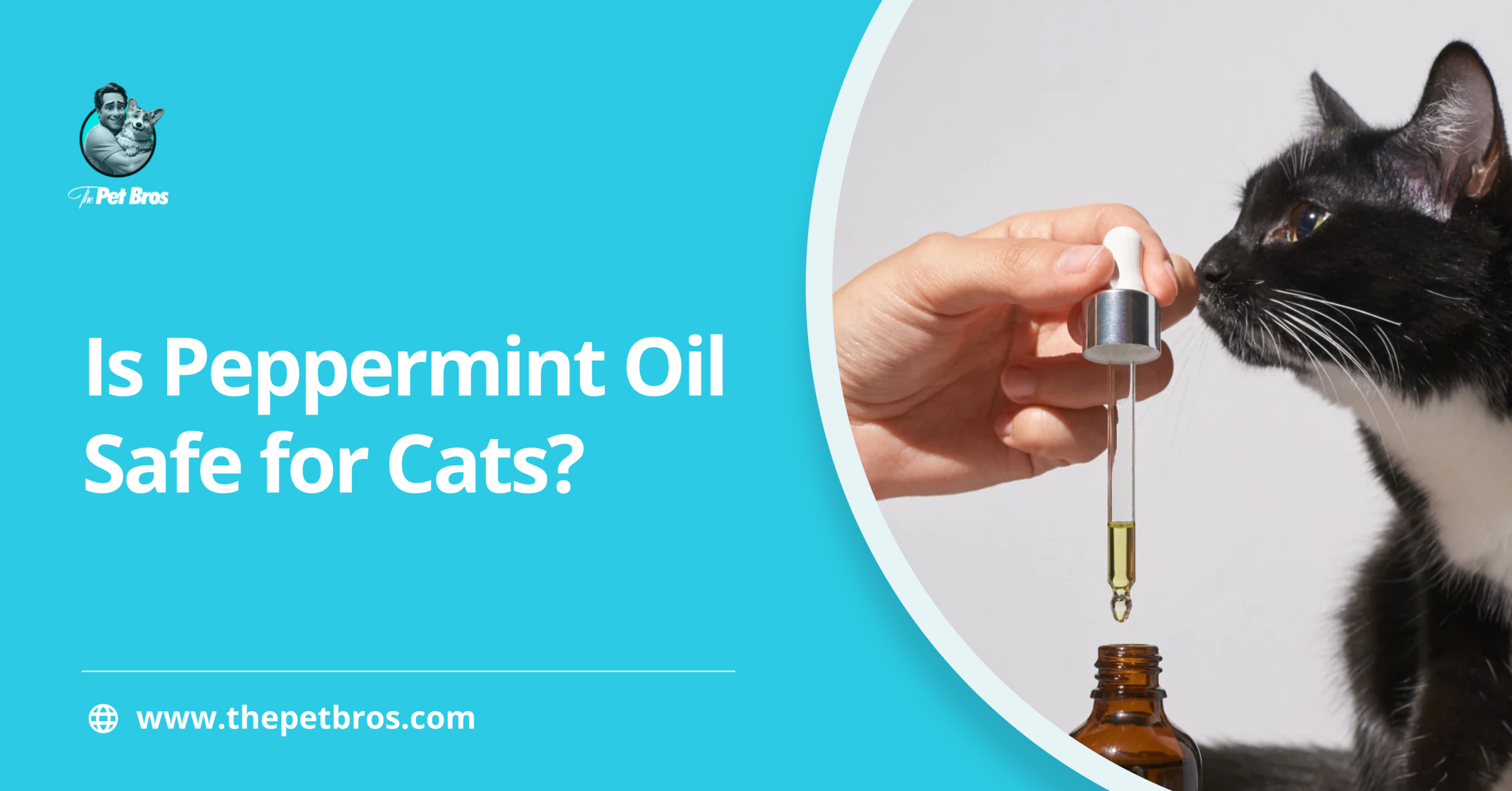
No. Peppermint oil is not safe for cats to smell or breathe. Diffusers and sprays release tiny oil particles into the air, which cats inhale directly into sensitive airways.
Cats exposed to airborne peppermint oil may begin coughing or sneezing as their respiratory systems react to the irritation. In more serious cases, prolonged exposure can increase the risk of breathing difficulty or lung inflammation. Cats with asthma or existing respiratory conditions face an even higher risk.
Because cats groom themselves frequently, inhaled oil particles can also settle on fur and later be ingested during cleaning.
What Happens If a Cat Licks Peppermint Oil?
If a cat licks peppermint oil, the risk increases significantly. Grooming transfers oil from surfaces or fur directly into the mouth, where it is quickly absorbed.
Common early signs include drooling, pawing at the mouth, vomiting, or sudden agitation. In more severe cases, exposure can affect breathing and coordination. Veterinary reports link essential oil ingestion to neurological symptoms and, in rare cases, pneumonia caused by aspiration.
Any direct contact or licking should be treated as urgent and assessed by a veterinarian.
Can I Use Peppermint Oil in My House If I Have a Cat?
Using peppermint oil in a home with cats is not recommended. Oils travel easily through shared air space and cling to furniture, fabrics, and floors. Closing doors or ventilating one room does not guarantee safety.
Cats may also exhibit behavioural changes before physical symptoms appear. Increased vocalising, restlessness, or attention-seeking behaviour can signal discomfort or irritation rather than a need for affection. These changes often go unnoticed until physical signs follow. The safest option is complete avoidance rather than trying to manage exposure.
What Smells Do Cats Strongly Dislike?
Cats strongly dislike peppermint, citrus, eucalyptus, and menthol scents. These smells overwhelm their sensitive sense of smell, causing stress.
However, dislike does not equal safety. A scent that repels a cat may still cause harm when inhaled or absorbed. Using peppermint oil as a deterrent can unintentionally expose your cat to substances that irritate their lungs or nervous system.
Are Any Essential Oils Safe for Cats?
Very few essential oils are considered low risk, and even those come with strict limitations. What works for people or dogs does not automatically translate to cats, whose bodies handle chemical compounds very differently.
- Safety is relative and highly limited. Most essential oils still pose some risk to cats, even when diluted.
- Veterinary guidance matters. A vet can assess whether any exposure is appropriate based on your cat’s health, age, and respiratory sensitivity.
- Avoid experimentation at home. Mixing, diffusing, or applying oils without professional advice increases the chance of accidental exposure.
The safest approach is caution. If an oil’s safety is uncertain, it is best to avoid it entirely rather than risk your cat’s wellbeing.
Safer Alternatives and Healthier Choices for Cats
Avoiding peppermint oil does not mean losing control over your home environment. There are safer ways to manage pests, odours, and general cleanliness while also supporting your cat’s health through everyday choices.
- Safe pest control options: Physical barriers, traps, and professional pest services reduce pests without releasing airborne chemicals that can irritate a cat’s respiratory system.
- Environmental hygiene: Regular cleaning, proper waste disposal, and good ventilation help prevent odours and infestations before they start.
- Vet-approved products: When treatment is needed, choose products specifically formulated and approved for cats rather than general household solutions.
- Healthy foods that support overall wellbeing: Feeding your cat a healthy, balanced, and appropriate diet supports immune health and reduces stress-related behaviours. High-quality protein, adequate hydration, and vet-recommended treats help keep cats comfortable without relying on strong scents to mask problems.
Conclusion
So, is peppermint oil safe for cats? No. Even when your cat never touches it directly, peppermint oil can still affect their breathing, behaviour, and overall health through scent exposure alone.
Cats rely on you to make choices they cannot avoid. Removing peppermint oil from their environment protects their lungs, liver, and comfort. If you use essential oils and you’re a cat parent, caution is not overreaction. It is responsible care.
Is Peppermint Oil Safe For Cats? FAQs
What essential oils are safe for cats?
Most essential oils are unsafe. Always consult a vet before use.
What if my cat licks peppermint oil?
Licking peppermint oil can lead to toxic reactions and requires immediate veterinary advice.
What smell do cats absolutely hate?
Cats strongly dislike peppermint, citrus, and eucalyptus scents.
Is peppermint oil safe for cats to smell?
No. Inhalation can irritate airways and lead to toxic exposure.
Is peppermint oil safe for cats to breathe?
No. Diffused oil particles can be absorbed through breathing and grooming.
How long after spraying peppermint oil is it safe for cats?
It is not considered safe at any point without thorough removal and ventilation.