


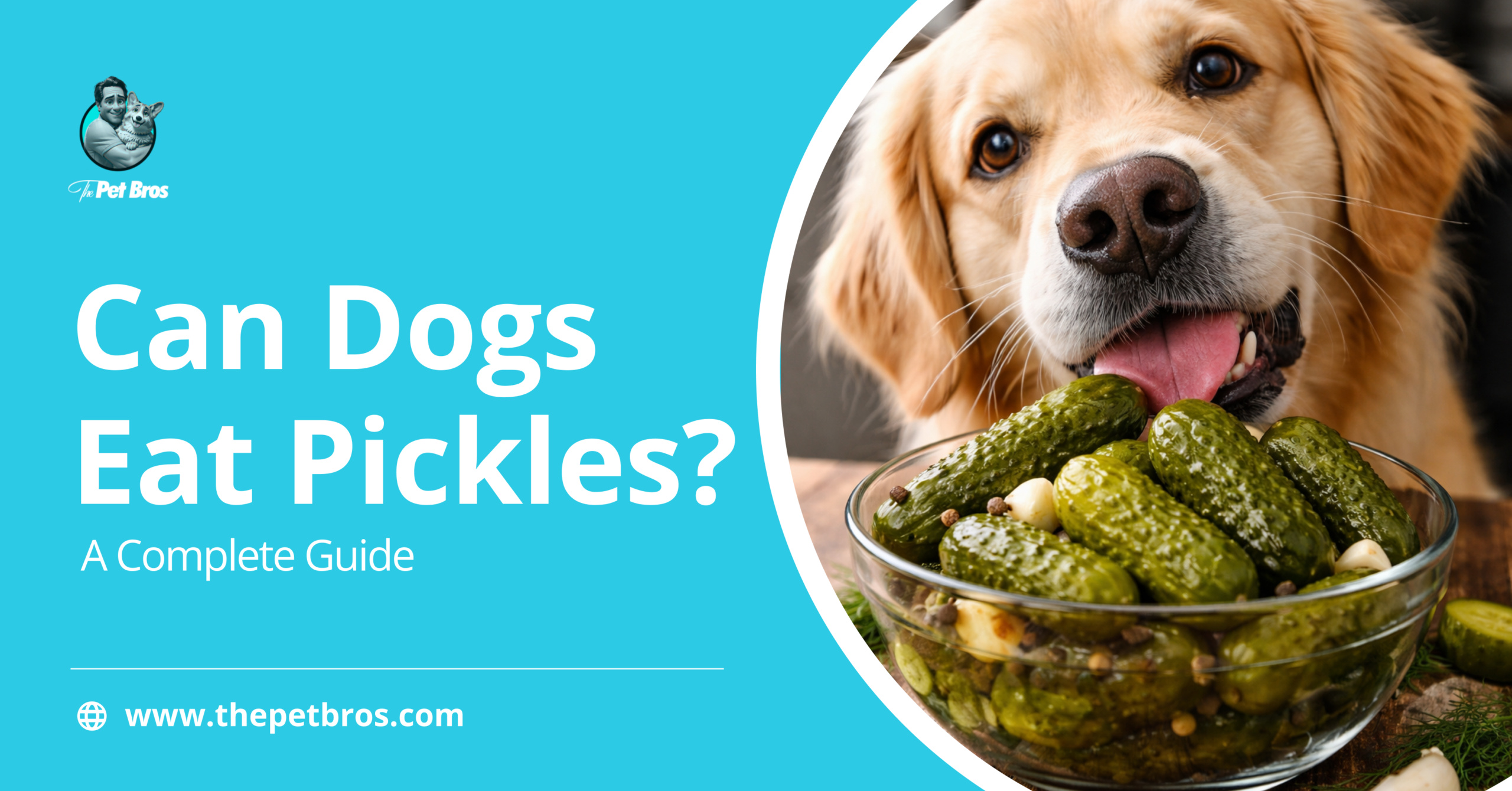
Pickles are a crunchy favourite in many households and can be enjoyed in many ways. They can be eaten straight from the jar or added to sandwiches and cheese. But if your dog watches you enjoy one with curious eyes, you may start to wonder: Can dogs eat pickles? While they may seem harmless, the answer is not as simple as yes or no.
What makes pickles complicated is the ingredients used in the pickling process. A small bite might not cause harm, but regular feeding or the wrong type of pickle can lead to health issues. Understanding the difference is essential before sharing this tangy snack with your dog, especially if you’re already cautious about which human foods are safe for dogs.
Can Dogs Eat Pickles Safely?
Yes, but only in very small amounts and very rarely.
Pickles are not considered toxic to dogs on their own. However, they are high in sodium and often contain added ingredients that are not suitable for dogs. While your pup may stare you down as you crunch into one, it is important to remember that not all human snacks belong in their bowl.
The biggest concern is salt. Pickles are soaked in brine, which makes them extremely high in sodium. According to veterinary toxicology research on salt toxicosis, excessive salt intake can disrupt hydration levels and affect a dog’s nervous system. In severe cases, it may even become life-threatening.
This is why pickles should never replace healthier options like safe vegetables for dogs, which provide fibre, vitamins, and hydration without the risks of processed foods.
Why Pickles Can Be Unsafe for Dogs
Even though pickles are not straight-up poisonous, several factors make them risky. These are some of the risks associated with feeding your dogs pickles:
- High Sodium Content: Dogs do not need the level of salt found in pickles. Too much sodium can cause excessive thirst, dehydration, vomiting, and lethargy. Research on sodium imbalance in animals explains that high salt consumption can interfere with normal body function and electrolyte balance. If your dog already eats commercial food that meets their nutritional needs, adding salty treats only increases unnecessary strain on their system.
- Toxic Ingredients and Spices: Many pickles contain garlic, onion, or artificial sweeteners. These ingredients are part of foods dogs should avoid because they can damage red blood cells or upset digestion. Even if the pickle itself looks harmless, the seasoning inside might not be.
- Digestive Upset: Vinegar and spices can irritate a dog’s stomach lining. Dogs with sensitive stomachs may experience vomiting or diarrhoea after eating even a small amount. While one tiny bite may not cause an emergency, it can certainly cause discomfort.
Are All Pickles the Same?
Not all pickles pose the same level of risk, but none are ideal for your dog:
- Dill Pickles: Dill itself is not toxic, but the salt content still makes this a “rare treat” option at best.
- Spicy Pickles: These are a definite no. Spices can irritate your dog’s digestive system and cause unnecessary pain.
- Pickle Juice: Highly concentrated salt and vinegar make pickle juice especially dangerous. Dogs should never drink it.
- Sweet Pickles: Added sugar provides no nutritional benefit. Excess sugar can contribute to weight gain and dental issues over time.
If your dog enjoys crunchy snacks, there are far better choices, including the best fruits and vegetables for dogs that offer natural nutrients without artificial additives.
What to Do If Your Dog Eats Pickles
If your dog accidentally eats a small piece of pickle, they will likely be fine. Still, you should monitor them closely for symptoms such as:
- Vomiting
- Diarrhoea
- Excessive thirst
- Lethargy
If your dog consumes a large amount or begins showing serious symptoms, contact your veterinarian immediately. In general, it is always wise to be familiar with common toxic foods for dogs so you can quickly identify when something is truly dangerous versus mildly irritating.
How to Safely Offer Pickles to Dogs
If you decide to offer a tiny taste:
- Offer only a very small piece.
- Ensure it does not contain garlic, onion, or artificial sweeteners.
- Avoid sweet, spicy, or heavily seasoned varieties.
- Never give pickle juice.
- Treat it as a rare snack, not part of a regular diet.
However, if your goal is to give your dog something crunchy and refreshing, cucumber slices are a much better alternative and far safer for regular enjoyment.
Safer Alternatives to Pickles
Instead of pickles, there are plenty of crunchy, safe snacks your dog can enjoy:
- Cucumber Slices: Hydrating and low in calories, cucumbers are low in fat, K, C, and B, which are important for your dog’s bone health and immune support.
- Carrot Sticks: Crunchy and rich in vitamins, carrots are an excellent treat for dogs in need of a low-calorie diet.
- Green Beans: Green beans are light, fibre-rich vegetables that contain vitamins K and C, which play an important role in bone health and metabolism
- Apple Slices: Apples are a sweet and safe snack when seeds are removed. They help maintain a strong immune system and support healthy skin and coat.
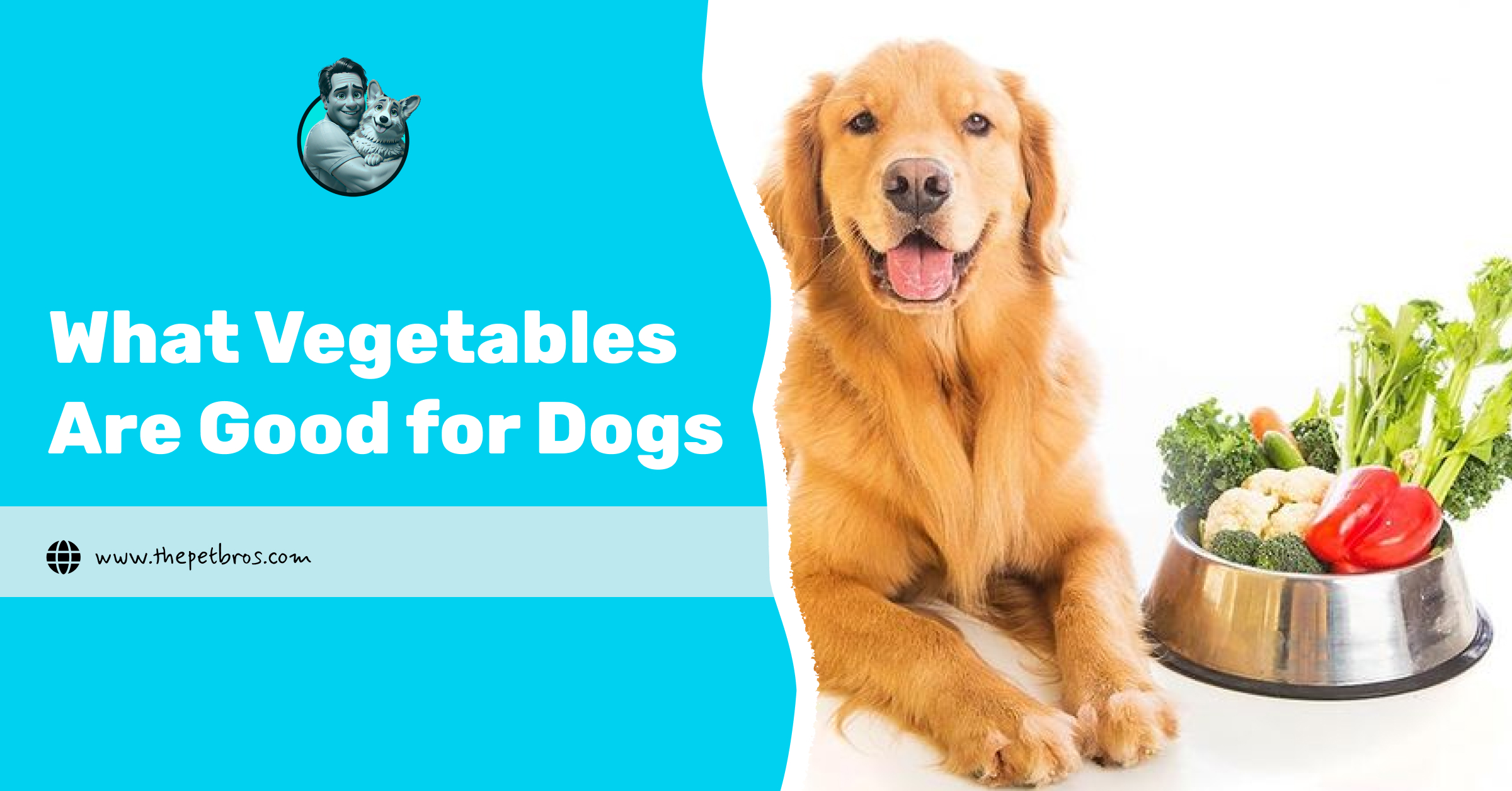
These options align much better with a balanced dog nutrition guide; knowing what vegetables are good for dogs can help you choose treats that stay fresh without worrying about salt or artificial ingredients.
Conclusion
So, can dogs eat pickles? Yes, but they are far from an ideal treat. While a small piece is unlikely to cause serious harm, the high salt content and potential added ingredients make pickles a poor choice for regular feeding. When it comes to your dog’s health, it is always better to stick to fresh, dog-friendly vegetables and treats that support their wellbeing rather than risk unnecessary complications.
Can Dogs Eat Pickles? FAQs
Can dogs eat pickle juice?
No, dogs should not drink pickle juice as it contains excessive salt and vinegar, which can cause dehydration, stomach irritation, or sodium toxicity.
Can pickles kill dogs?
Pickles are unlikely to kill a dog in small amounts, but large quantities can be dangerous due to high sodium levels, which may lead to salt poisoning.
Can dogs have dill pickles?
Dogs can have a tiny amount of plain dill pickle, but it’s best avoided since the high salt content offers no health benefit and may cause digestive issues.