



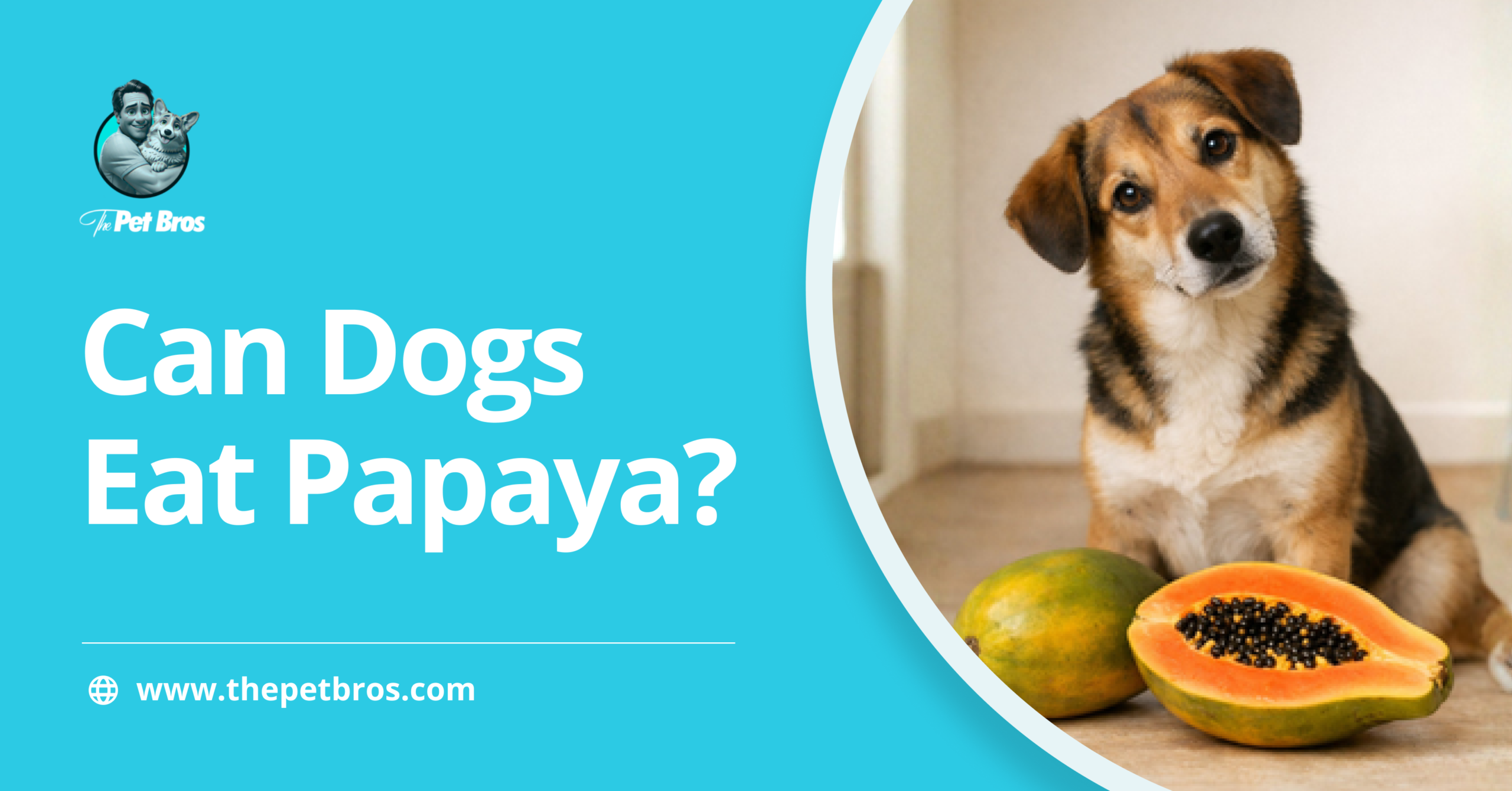
You are slicing papaya for yourself, and your dog is already there. Eyes locked in, tail very hopeful. That moment brings this question to mind: can dogs eat papaya, or is this one of those fruits you should keep to yourself?
Papaya shows up often on “healthy foods” lists because it is rich in fibre and digestive enzymes. That reputation makes it tempting to share, especially when your dog seems genuinely interested. Still, dogs process food differently from humans, and not every nutritious human fruit works the same way for them.
This article walks you through what papaya does for dogs, how to serve it safely, how much is enough, and when it is better to say no.
Can Dogs Eat Papaya Safely?
Yes, dogs can eat papaya safely when offered in moderation and prepared correctly. Papaya is non-toxic to dogs and contains a good amount of beneficial nutrients that support a dog’s digestion.
According to veterinary nutrition, treats like fruit should make up no more than 10 percent of a dog’s daily calorie intake. The rest should come from complete, balanced dog food. This matters because papaya contains certain nutrients, which can upset digestion if consumed in excess.
It also helps to watch for individual reactions. Some dogs tolerate papaya easily, while others may show signs of food sensitivity. If your dog has a history of allergies, sensitive digestion, or frequent stomach upset, start with a very small piece and observe closely.
5 Nutritional Benefits of Papaya for Dogs
1. Supports Digestion Through Natural Fibre
Papaya contains dietary fibre, which helps move food through the gut and supports regular bowel movements. Fibre also feeds beneficial gut bacteria, which play a role in overall digestive health. When offered in small amounts, papaya can help keep digestion steady rather than sluggish.
Other safe fruits and vegetables that support digestion include:
- Pumpkin (plain and cooked)
- Carrots
- Sweet potato
These options work well for dogs that need gentle digestive support.
2. Provides Hydration Through High Water Content
Papaya has a high water content, which helps support hydration, especially in warm weather or for dogs that do not drink enough water on their own. Hydrating foods can support kidney function and help maintain healthy circulation when fed responsibly.
Other hydrating fruits and vegetables include:
- Watermelon (seedless)
- Cucumber
- Courgette
These foods add moisture without adding much fat.
3. Supplies Vitamins That Support Immune and Eye Health
Papaya contains vitamins such as vitamin A and small amounts of vitamin C. While dogs make their own vitamin C, vitamin A supports vision, immune response, and skin health. These vitamins help maintain normal body function rather than acting as medicine.
Other foods that offer similar vitamin support include:
- Blueberries
- Spinach (lightly cooked)
- Broccoli
Rotation helps prevent overloading one nutrient source.
4. Contains Natural Enzymes That Aid Digestion
Papaya contains an enzyme called papain, which helps break down proteins. This can support digestion, especially when dogs struggle with heavier meals. While it is not a treatment for digestive disease, it can assist normal digestive processes.
Other foods that gently support digestion include:
- Pineapple (small amounts)
- Fermented vegetables made for dogs
- Plain cooked pumpkin
These foods should remain occasional additions, not daily solutions.
5. Offers a Soft Texture That is Easy to Chew
Papaya’s soft flesh makes it easier for older dogs or dogs with dental sensitivity to chew and swallow. Texture matters just as much as nutrients, especially for dogs that avoid harder foods.
Other soft-textured options include:
- Ripe banana
- Steamed carrots
- Cooked sweet potato
These foods reduce chewing strain while still adding variety.
Risks of Feeding Papaya to Dogs
Papaya is safe, but it is not risk-free. Its fibre content can loosen stools if your dog eats too much, especially if papaya is new to their diet. The natural sugars can also be an issue for dogs who are overweight or prone to blood sugar problems.
Papaya seeds and skin present additional concerns. The seeds are hard and difficult to digest, while the skin is tough and may irritate the digestive tract. Large chunks of fruit also increase the risk of choking, particularly for small dogs.
How to Prepare Papaya for Dogs
- Choose ripe papaya: Pick papaya that feels soft when gently pressed and has a mild, sweet smell. Ripe papaya is easier for dogs to digest, while unripe fruit can be firm and upsetting to the stomach.
- Remove the skin and seeds: Peel off the outer skin completely, as it is tough and difficult to digest. Scoop out and discard all seeds, since they can cause digestive discomfort and pose a choking risk.
- Cut into dog-appropriate sizes: Slice the papaya flesh into small, bite-sized pieces. Smaller cubes suit small dogs, while slightly larger pieces work for bigger dogs. Avoid large chunks that could be swallowed too quickly.
- Serve plain with no additives: Offer papaya on its own. Do not add sugar, salt, spices, yoghurt, or other toppings, as these can irritate your dog’s digestive system.
How Much Papaya Can Dogs Eat?
| Dog size | Suggested amount | How often |
|---|---|---|
| Small dogs | 1–2 small cubes | Occasionally |
| Medium dogs | 3–4 small cubes | Occasionally |
| Large dogs | Up to 5 small cubes | Occasionally |
Start with less than the suggested amount, especially if your dog has never eaten papaya before. You can always offer a little more next time if your dog tolerates it well.
Too much papaya usually affects digestion. You may notice loose stools, mild diarrhoea, gas, or a reduced appetite at the next meal. Some dogs also show signs of slight stomach discomfort. If this happens, stop offering papaya and return to your dog’s regular food. In most cases, these mild reactions ease on their own within a day.
Is Papaya a Laxative for Dogs?
Papaya is not a laxative, but its fibre can soften stools when eaten in larger amounts. This effect may help mildly constipated dogs, but too much papaya can quickly lead to diarrhoea. If your dog struggles with ongoing digestive issues, papaya should not replace veterinary advice or proper dietary management.
Why Some Dogs Love Papaya
Dogs often enjoy papaya because of its mild sweetness and soft texture. It is easy to chew, gentle on the mouth, and releases a noticeable scent when ripe. For older dogs or dogs with dental sensitivity, papaya can feel more comfortable than crunchy treats.
Taste preference also plays a role. Some dogs love fruit, while others ignore it completely, and both reactions are normal. If you notice that papaya does not suit your dog or simply does not interest them, you can still add variety by choosing other healthy fruits and vegetables that offer similar benefits without forcing a food they do not enjoy.
Conclusion
So, can dogs eat papaya? Yes, they can, as long as you keep it simple, small, and occasional. Ripe papaya without the seeds can be a refreshing treat that adds variety without replacing balanced nutrition.
The key is moderation and attention. Watch how your dog reacts, keep portions modest, and treat papaya as a bonus, not a staple. When you feed thoughtfully, sharing small moments like this stays safe and enjoyable for both of you.
Can Dogs Eat Papaya? FAQs
What fruits can’t dogs eat?
Grapes, raisins, avocados, and some citrus fruits should be avoided.
Is papaya a laxative for dogs?
Papaya can loosen stools if fed in large amounts due to its fibre content.
Why does my dog love papaya?
Its sweetness and soft texture make it appealing to many dogs.
Can dogs eat papaya seeds?
No, papaya seeds should be removed as they are hard to digest.
Can dogs eat papaya skin?
No, the skin is tough and can cause digestive discomfort.
Is raw papaya good for dogs?
Ripe raw papaya flesh is safe, but unripe papaya should be avoided.
Can dogs eat papaya leaves?
Papaya leaves are not recommended for dogs.