


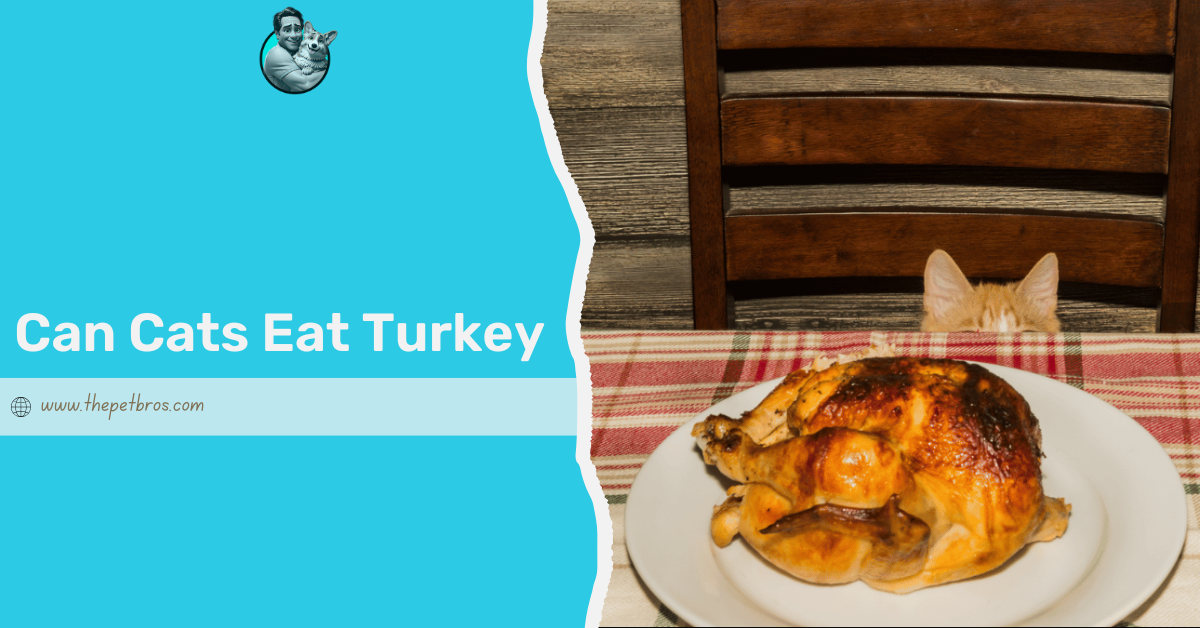
Cats are natural meat lovers, and turkey often grabs their attention the moment it appears on a plate. Whether it’s a holiday meal or a simple sandwich, many cat owners find themselves wondering, can cats eat turkey, or if it is something better kept out of reach.
While turkey is a common ingredient in many cat foods, not every form of turkey is safe to share. This guide explains when turkey is safe for cats, which types should be avoided, and how to offer it properly without putting your cat’s health at risk.
Can Cats Eat Turkey Safely?
Cats are obligate carnivores, which means their bodies rely on animal protein to function properly. Unlike humans, cats cannot thrive on plant-based foods or mixed diets. Animal protein provides essential amino acids such as taurine, which cats cannot produce in sufficient amounts on their own. Without enough taurine, cats risk serious health issues affecting their heart, vision, and overall well-being. This biological need is one reason meat-based foods dominate commercial cat diets.
Turkey itself is not unsafe for cats, but safety depends entirely on how it is prepared. Plain, cooked turkey fits within what cats can digest because it mirrors the protein structure they naturally require. Problems arise when turkey is treated like a human food rather than a cat-friendly one. Seasonings, oils, sauces, and processing methods designed for people can overwhelm a cat’s digestive system and introduce substances their bodies cannot handle.
It also helps to remember that not all human foods should be offered to cats freely. Cats process nutrients differently from people, and foods that seem harmless on your plate may place strain on their kidneys or stomach. Turkey can be safe, but only when it respects your cat’s biological limits rather than human eating habits
What Are the Nutritional Benefits of Turkey For Cats?
When offered as part of a balanced routine, turkey can contribute positively to your cat’s overall well-being. It is naturally rich in protein, which supports muscle maintenance and helps cats stay physically active. Cats that receive enough quality protein often show better energy levels, smoother movement, and more interest in play, all signs of a content and comfortable cat.
Turkey also supplies key nutrients that support internal health. It contains B vitamins that help the body release energy from food, which can influence how lively and alert your cat feels during the day. Minerals such as selenium and zinc support immune function, helping cats better cope with everyday environmental stressors.
Food enjoyment matters too. Offering a small amount of plain turkey can add variety to your cat’s routine, which may increase meal enthusiasm without disrupting their diet. For many cats, that small boost in interest can support their feeding experience.
When Turkey Can Be Bad For Cats
While turkey is generally safe in moderation, there are a few situations where it can cause harm. Here are the key points to watch out for:
- Food Allergies: Some cats may develop an allergic reaction to turkey, causing symptoms like itchy skin, rashes, and gastrointestinal upset. In more severe cases, respiratory symptoms such as coughing and sneezing may occur. If you notice these signs after your cat eats turkey, it’s best to stop feeding it to them and consult your vet.
- Processed Turkey Products: Turkey products like deli meats or turkey bacon are often high in sodium and preservatives. These additives can cause digestive issues like vomiting, diarrhea, and even lead to pancreatitis, a condition that results in inflammation of the pancreas and can be quite painful for your cat.
- Turkey Skin and Fat: The skin and fat of turkey are not only harder to digest but also high in fat. This can lead to upset stomachs, especially in cats with sensitive digestion. Too much fat can also contribute to weight gain or even obesity if fed regularly.
- Turkey Bones: Cooked turkey bones pose a significant risk. They can splinter easily, creating a choking hazard and potentially causing serious internal injuries to your cat’s mouth, throat, or intestines. Always ensure turkey is served bone-free to keep your cat safe.
If you notice any signs of discomfort after your cat eats turkey, like coughing or digestive issues, it’s always a good idea to consult with a vet.
How Much Turkey Can Cats Eat?
Turkey should be offered in moderation to avoid upsetting your cat’s balance. It’s best to treat turkey as an occasional snack, with small bite-sized pieces no larger than your cat’s paw. A good rule of thumb is to ensure treats make up no more than 10% of your cat’s daily calories. Offering too much turkey can lead to weight gain or digestive issues.
Always keep an eye on how your cat reacts after eating turkey, especially if it’s a new treat for them. If you notice any discomfort, cut back and consult your vet.
How To Safely Feed Turkey To Cats
If you want to share turkey with your cat, follow these tips to keep it safe and healthy:
- Cook It Plain: Always bake, boil, or broil turkey without seasoning, oils, or butter. Avoid adding anything like garlic, onion, or spices, which can be toxic to cats.
- Remove Skin and Bones: Turkey skin is too fatty for cats and can cause digestive issues. Bones are a serious choking hazard and can splinter, causing internal injuries. Always debone the turkey before serving it to your cat.
- Serve Small Portions: Cut the turkey into small, manageable pieces that are easy for your cat to chew. Make sure to offer only small bites and keep it as a treat, not a meal replacement.
- Let It Cool: Make sure the turkey has cooled down to room temperature before offering it. Hot food can burn your cat’s mouth and cause discomfort.
Conclusion
So, can cats eat turkey? Yes, they can when it’s prepared properly and served in moderation. Turkey can be a healthy treat, providing lean protein and essential nutrients like taurine. However, it’s important to avoid processed turkey, turkey skin, and bones, which can harm your cat’s health.
Always offer turkey as an occasional snack, and ensure it’s plain, cooked, and cut into small portions. By following these simple guidelines, you can safely share turkey with your cat, ensuring they enjoy it without compromising their well-being.
Can Cats Eat Turkey? FAQs
Does turkey make cats sleepy?
Turkey contains tryptophan, but it does not cause noticeable drowsiness in cats when fed in small amounts.
Are cats allergic to turkey?
Some cats can be allergic to turkey, especially those with existing poultry sensitivities.
What is the healthiest meat for cats to eat?
Lean, unseasoned meats like chicken or turkey can be healthy treats when balanced with complete cat food.
Can cats eat turkey eggs?
Turkey eggs are not recommended for cats due to their size and fat content.
Can cats eat turkey ham?
Turkey ham is unsafe for cats because it is highly processed and high in sodium.
Can cats eat turkey heart?
Turkey heart can be safe if cooked plain and fed in very small portions, as it is rich in nutrients.