


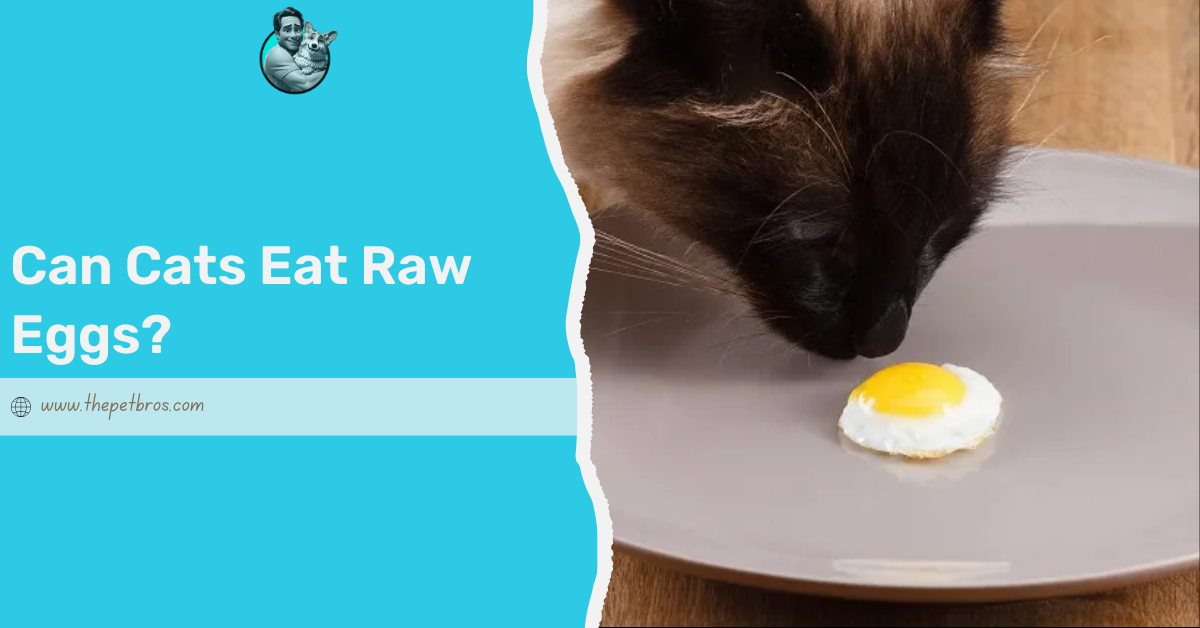
You’ve probably heard the phrase, “Don’t feed your cat from the dinner table,” but what if your cat starts eyeing your eggs? As a pet parent, you might wonder, “Can cats eat raw eggs?” Well, let’s just say, as much as they love a good bite of your breakfast, raw eggs aren’t on their menu.
Now, I know what you’re thinking: cats seem to eat everything from leftover chicken to the odd piece of cheese (don’t worry, we’ve all been there). And sure, you may have heard that there are some human foods cats can eat, but eggs are a whole different story for our feline friends.
But don’t worry, we’ll get into the why and how later. For now, let’s just say that while your cat might want that raw egg, there are better, safer ways to treat them to the nutritional benefits eggs have to offer without the risk.
Can Cats Eat Raw Eggs?
No, cats should not eat raw eggs. While eggs are a great source of protein and essential nutrients, raw eggs pose a risk to your cat’s health. The main concern is the potential presence of harmful bacteria, such as Salmonella, which can lead to serious gastrointestinal issues like vomiting, diarrhoea, and stomach cramps.
Another concern with raw egg whites is the protein avidin, which can interfere with the absorption of biotin (vitamin B7). This vitamin is crucial for your cat’s skin, coat, and overall health. Without enough biotin, your cat could develop skin problems, and in extreme cases, a biotin deficiency could lead to hair loss or other complications.
Additionally, while egg allergies are rare, some cats may develop sensitivities to egg proteins, leading to symptoms like itching, swelling, and digestive upset. If your cat shows signs of a food allergy, such as excessive scratching, vomiting, or diarrhoea, it’s important to consult your vet and avoid giving them eggs, raw or cooked
Why Raw Eggs Are Dangerous for Cats
Raw eggs can be harmful to your cat for a couple of serious reasons. First, as we’ve mentioned, raw eggs can carry salmonella, a bacterium that can cause food poisoning. Symptoms of salmonella infection in cats include vomiting, diarrhoea, and a fever, all of which can lead to dehydration and more serious health problems if not treated promptly. This is a significant risk, particularly if your cat has a weakened immune system or is a kitten or a senior cat.
But the risks don’t stop there. Raw egg whites contain a protein called avidin, which can interfere with your cat’s ability to absorb biotin, a vitamin that plays an essential role in maintaining healthy skin and coat. Without enough biotin, your cat can develop dermatological problems, including itching, dry skin, and hair loss. Over time, this can affect your cat’s overall health, increasing their susceptibility to infections.
In rare cases, an allergic reaction to eggs, whether raw or cooked, can cause serious illness in cats. If your cat starts to show symptoms such as swelling, vomiting, or difficulty breathing, it could be a sign of an egg allergy, which requires immediate veterinary attention.
Interestingly, there are several homemade cat food alternatives that are safer for your cat.
How to Safely Feed Eggs to Your Cat
- Cook the Eggs Thoroughly: Always cook eggs before feeding them to your cat. Scrambled, boiled, or poached eggs are safe options. Avoid adding salt, seasonings, or butter, as these can make the eggs less healthy for your cat.
- Serve Small Portions: Eggs should only be treated as an occasional snack, not a regular meal. A small serving, such as a couple of bites of scrambled egg or a slice of hard-boiled egg, is all your cat needs. Remember, eggs should not replace a balanced diet formulated specifically for your cat’s nutritional needs.
- Avoid Feeding Egg Shells: Egg shells contain calcium, which can benefit your cat. However, always cook the shells before offering them to ensure they are safe. Raw egg shells can carry bacteria like Salmonella, which could harm your cat.
- Monitor for Allergies: As with any new food, it’s important to monitor your cat for any signs of an allergic reaction. If your cat develops itching, swelling, or digestive upset after eating eggs, it’s best to discontinue and consult your vet.
- Use Eggs as a Treat: Consider eggs as a treat rather than a staple food in your cat’s diet. Offering eggs occasionally, as a supplement to their regular meals, ensures they enjoy the benefits without overloading on calories.
How Much Egg Should You Feed Your Cat?
Eggs can be a great treat for your cat, but they should be given in moderation. Eggs provide useful nutrients such as protein and healthy fats. However, they do not offer complete nutrition for cats. Treat eggs as an occasional snack rather than a regular meal. Make sure they account for no more than 10 percent of your cat’s daily calorie intake.
For most cats, a small portion of egg works best. A couple of bites of scrambled or boiled egg is usually sufficient. This provides all the benefits without overloading them with extra calories or fats. Remember, like any treat, moderation is key to keeping your cat’s diet balanced.
Interestingly, cats can enjoy foods like chicken, potatoes, rice, turkey, and lean beef, which are also great sources of protein. These cat-friendly proteins can help maintain a healthy coat and support muscle growth, much like eggs do for cats. However, always make sure any food you give your pet is cooked thoroughly. Keep it free from added seasonings or bones to avoid health risks.
Conclusion
In conclusion, while eggs can be a healthy treat for your cat, “Can cats eat raw eggs?” is a question best answered with a firm “no.” Raw eggs pose significant health risks for cats. These risks include potential Salmonella infection and biotin deficiency. Always cook eggs thoroughly before offering them to your cat. Feed them only in moderation to avoid nutritional imbalances.
Eggs are an occasional snack, not a regular part of your cat’s diet. Similarly, Foods like chicken and lean beef can be great options for dogs. However, always feed these foods in moderation. Make sure each meal stays balanced and tailored to your dog’s specific dietary needs. By understanding the risks and benefits, you can safely include eggs in your cat’s diet and keep them healthy.
Can Cats Eat Raw Eggs? FAQs
What aren’t cats allowed to eat?
Cats should avoid foods like chocolate, onions, garlic, grapes, raisins, alcohol, and raw fish, among others.
What happens if a cat licks a raw egg?
If a cat licks a raw egg, they may ingest harmful bacteria like Salmonella, leading to gastrointestinal issues and possible food poisoning.
Can cats eat raw egg yolk in the UK?
Raw egg yolk poses the same risks as raw egg whites. It’s best to avoid feeding any part of the raw egg to your cat.