


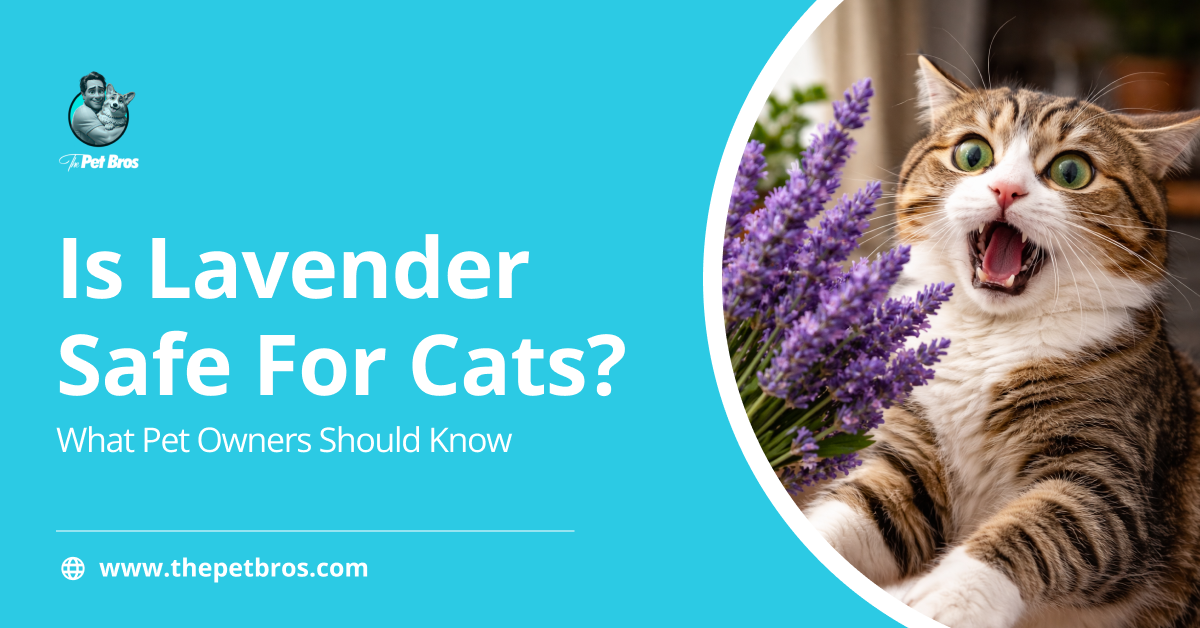
The scent of lavender often brings to mind luxury soaps and calming perfumes. You might even enjoy its relaxing properties in a cup of herbal tea or use it as a spice to brighten up your favourite recipes. While humans can safely enjoy many parts of this herb, pet owners must ask one vital question: Is lavender safe for cats?
Since cats are naturally curious animals, your cat might like to sniff your lavender plant or may inhale the lavender aroma from a scented candle while cuddling with you. So, just as you might wonder if you can use peppermint oil in your home or whether cinnamon is safe for cats, you should understand how lavender also plant affects your pet. In this blog, we will look at what you need to know about lavender and cats, and whether it is a plant your cat can eat.
What Is in Lavender?
Lavender contains natural chemicals called linalool and linalyl acetate. Fresh flowers contain these chemicals in smaller amounts, but essential oils are much more concentrated.
You can think of an essential oil as a plant’s essence captured in a bottle; manufacturers steam or press hundreds of pounds of flowers just to make one small vial. This process creates a liquid that is far more powerful than the original plant. These chemicals are in every version of the plant, but oils and dried flowers are much stronger than fresh ones.
So, Is Lavender Safe for Cats?
No, lavender is not safe for cats. In fact, the ASPCA Animal Poison Control Center officially lists lavender as toxic to cats because it contains compounds their bodies cannot metabolise. When a cat breathes in or eats lavender, linalool and linalyl acetate enter their system. And because the liver cannot process these fast enough, the toxins build up in the bloodstream instead of being flushed out.
One thing you must note as a cat parent is that you do not need a great amount of the plant to cause a reaction in your feline friend.
Also, while fresh lavender poses a risk, essential oils are far more dangerous. When you use a diffuser or apply these oils to surfaces, the risk increases significantly. Your cat may inhale or ingest a toxic dose.
4 Signs of Lavender Toxicity in Cats
Recognising the early warning signs of lavender poisoning can make a significant difference in your cat’s recovery. Felines process toxins very slowly. As a result, symptoms may appear shortly after exposure. They may also develop gradually as the compounds accumulate in their systems.
- Vomiting and Diarrhea: These are usually the first signs that the plant compounds have irritated your cat’s stomach lining.
- Drooling and Pawing at the Mouth: Excessive drooling often happens because the bitter taste stings your cat’s mouth. Chemical residue can also irritate the mouth and trigger drooling.
- Lethargy and Weakness: Your cat may seem unusually sluggish. It may also hide in dark corners as its liver struggles to process the toxins.
- Tremors or Breathing Changes: Muscle shaking or gasping for air are serious red flags that require an immediate trip to the emergency vet.
What to Do When Your Cat Takes Lavender?
If you catch your cat nibbling on a lavender plant or any food they shouldn’t have, staying calm is the best way to help them. Here is a step-by-step guide to handling the situation.
- Remove the Source Immediately: You must get your cat away from the plant or oil to stop any further exposure. If you find oil on your cat’s fur, wash the area with mild dish soap. This prevents your cat from ingesting more oil while grooming.
- Avoid Inducing Vomiting at Home: Never try to make your cat vomit. Only do this if a medical professional explicitly tells you to do so. Forcing a cat to throw up can cause throat burns or lead to dangerous lung issues.
- Monitor Your Cat for Worsening Symptoms: Keep a close eye on your pet for at least 24 hours after the incident. Watch for sudden changes in their energy or breathing and report these to your vet right away.
- Call Your Veterinarian: Contact your vet or a pet poison helpline immediately for professional advice. A doctor can provide specific guidance based on whether your pet ate a fresh leaf or swallowed concentrated essential oil.
How to Prevent Lavender Exposure?
By making a few small changes to your home routine, you can enjoy your favourite scents while keeping your cat safe. Here are the best ways to ensure a safe environment for your feline.
- Keep all essential oil bottles in a locked cabinet or on a high shelf that your cat cannot reach.
- Stop using ultrasonic or reed diffusers in rooms where your cat spends most of their time to prevent respiratory irritation.
- Check the labels on your floor cleaners and laundry detergents to ensure they do not contain lavender oil.
- Place any fresh lavender plants in hanging baskets or outdoor areas that are completely inaccessible to your pet.
Key Takeaway
Again, is lavender safe for cats? The short answer is no. Lavender is toxic to cats, so you should keep it away from them in any form. Even small amounts can cause vomiting or upset your pet’s digestive system. Because cats process plant compounds differently from humans, you should avoid exposure altogether. Instead, choose cat-safe alternatives like pumpkin or spinach. Decorate with non-toxic houseplants, and create a calming atmosphere for your cat without diffusing essential oils. This helps protect your pet’s health.
Is Lavender Safe for Cats? FAQs
Is lavender room freshener safe for cats?
No, these fresheners release chemicals that damage feline lungs and settle on their fur. Cats then ingest these harmful toxins during grooming.
What smells are not toxic to cats?
Roses, sunflowers, and orchids provide safe, non-toxic scents for your home. Catnip and silver vine also offer aromas that cats naturally enjoy.
What is the safest essential oil to use around cats?
Although safety can be relative, experts recommend avoiding all essential oils because a cat’s liver cannot process them properly.
Is dried lavender safe for cats?
No, dried lavender contains concentrated essential oils that cats cannot process.
Is lavender safe for cats in litter?
It is best to avoid it because the strong smell can make it hard for cats to breathe or cause them to stop using their box.