


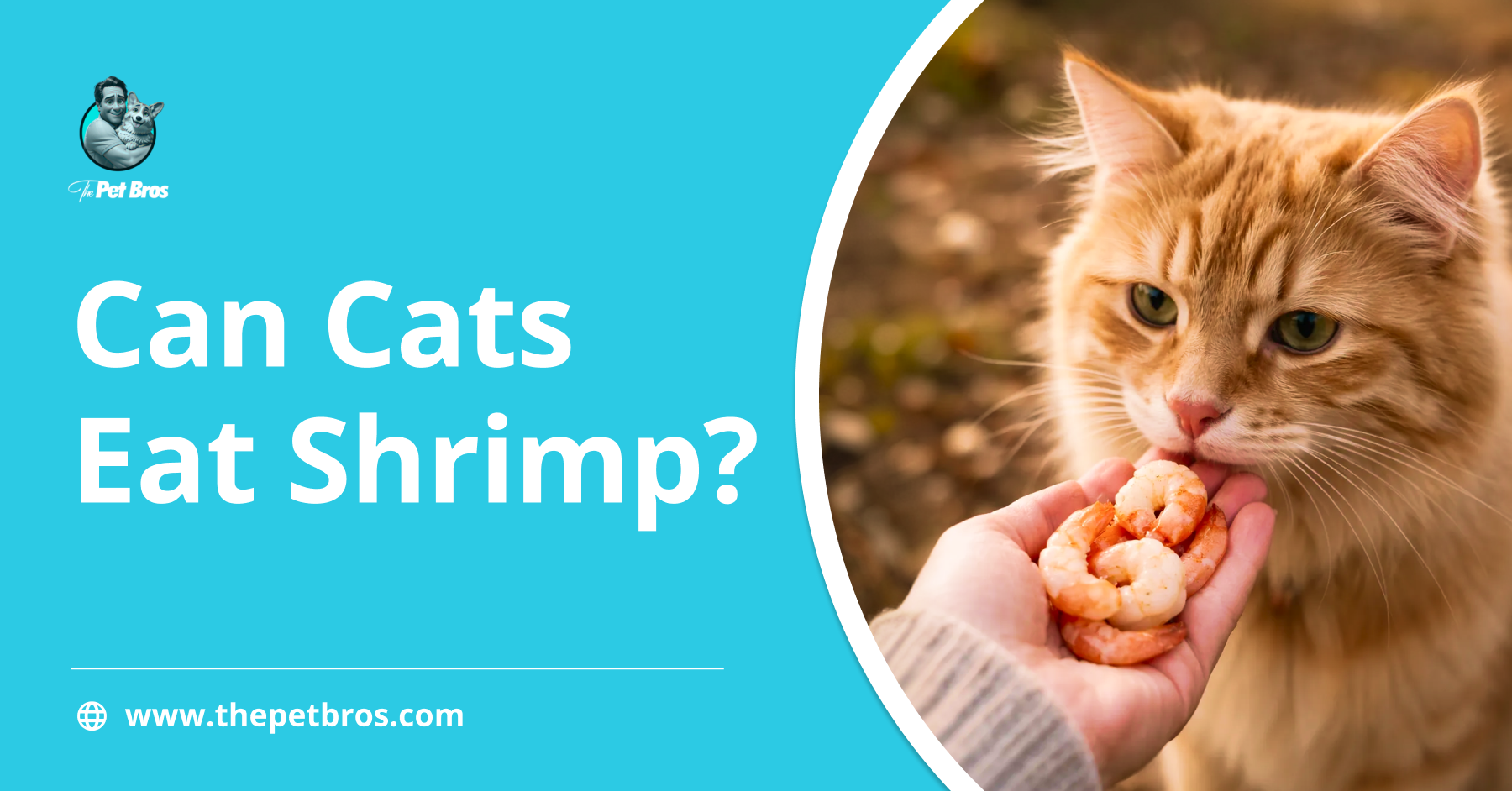
You are in the kitchen, shrimp is on the menu, and your cat is suddenly right there watching every move. In moments like this, it is normal to wonder, can cats eat shrimp, or is this one of those foods that should stay strictly on your plate?
Some human foods can fit into a cat’s diet in small, careful ways, while others simply do not belong there at all. Shrimp sits right in that grey area, which is why it often causes confusion. Before you decide whether to offer a bite of shrimp to your cat or pull the plate away, ensure you read this article till the end.
Can Cats Eat Shrimp and Is It Safe?
Yes, cats can eat shrimp, but only under the right conditions. Shrimp is not toxic to cats, and when prepared properly, it can be offered as an occasional treat. It should never be treated as a meal replacement or a regular part of a cat’s diet.
Shrimp works best as a small extra alongside complete, balanced cat food. Cats are obligate carnivores, so while shrimp fits their protein needs, it does not provide everything they require to stay healthy long term. This is why portion size and preparation matter just as much as whether the shrimp itself is safe
Is Shrimp Good for Cats?
Shrimp can offer a few nutritional benefits when fed properly. It is naturally high in protein, which supports muscle maintenance and overall body function in cats. Since cats rely heavily on animal-based protein, shrimp fits well with their biological needs.
Shrimp also contains vitamin B12, an essential nutrient that helps support energy levels and healthy nerve function. Alongside this, it provides omega-3 and omega-6 fatty acids, which contribute to healthy skin and a glossy coat. These fats can be especially helpful for cats prone to dry skin.
Another advantage of shrimp is its low-calorie content. When offered in small portions, it works well as a lighter treat option for cats that need variety without excess weight gain. The texture and smell of shrimp can also make it appealing to picky eaters, helping add interest to their routine without disrupting their main diet.
How Shrimp Should Be Prepared for Cats
Knowing that shrimp can offer benefits is only part of the picture. How you prepare it is what truly determines whether it is safe for your cat. Small mistakes in preparation can quickly turn a harmless treat into a problem.
Shrimp should always be kept simple and clean when serving them to cats. That means focusing on safety first and removing anything that could cause harm.
When preparing shrimp for your cat, make sure you:
- Cook the shrimp thoroughly: Cooking removes harmful bacteria that raw shrimp may carry.
- Let it cool completely: Hot food can burn a cat’s mouth or digestive tract.
- Remove the shell and tail: These parts can cause choking or digestive blockage.
- Cut the shrimp into small pieces: Smaller pieces are easier to chew and digest.
- Avoid all seasoning and oils: Salt, garlic, butter, and spices can upset a cat’s stomach or be toxic.
Prepared this way, shrimp stays a simple, protein-rich treat rather than a risk. Keeping preparation minimal helps your cat enjoy shrimp safely without unnecessary complications
Can Cats Eat Shrimp Shells or Tails?
Shrimp shells and tails are not safe for cats to eat. They are hard, sharp, and difficult to digest, which makes them a choking risk, especially for smaller cats. Even when cooked, these parts do not soften enough to be considered safe.
Shells and tails also offer no real nutritional value for cats. If swallowed, they can irritate the digestive tract or cause blockages that may require veterinary attention. For this reason, shrimp should always be served peeled and trimmed, with only the soft meat offered to your cat.
How Much Shrimp Can Cats Eat?
Shrimp should only be given to cats in small portions and as an occasional treat. For most cats, half of a shrimp is enough per serving, while larger cats can handle one whole shrimp at a time. Shrimp should not be fed daily and should stay within the general guideline that treats make up no more than ten percent of a cat’s overall diet. Keeping portions small helps avoid digestive upset and unwanted weight gain
Can Cats Be Allergic to Shrimp?
Some cats can be sensitive or allergic to shrimp, even when it is cooked and served plain. Reactions may include itching, skin irritation, vomiting, or loose stools shortly after eating it.
Cats with a history of food sensitivities are more likely to react, so introduce shrimp in very small amounts the first time. If you notice any unusual symptoms, stop feeding shrimp and consult your veterinarian for advice.
Other Human Foods Cats Can Eat
Shrimp is not the only human food that can work as an occasional treat. While commercial cat food should always make up the majority of your cat’s diet, a few simple, properly prepared human foods can fit in safely.
Here are some cat-friendly options:
- Cooked chicken: Plain, skinless, and boneless chicken is a lean protein source that cats can digest well.
- Cooked turkey: Another high-protein option when served without seasoning, skin, or bones.
- Cooked eggs: Scrambled or boiled eggs (plain) provide protein and healthy fats.
- Salmon or tuna (cooked and plain): Offer in small amounts only, with no salt or oil added.
- Lamb or beef (cooked and unseasoned): Suitable as an occasional protein boost.
- Spinach: Safe in small quantities for most cats, though not ideal for those prone to urinary issues.
- Plain boiled potatoes: Serve unseasoned and in tiny portions, as cats do not require carbohydrates.
- Plain yoghurt: Unsweetened yoghurt may suit some cats, especially those that tolerate dairy well.
- Pumpkin: Plain cooked pumpkin can support digestion when given in small amounts.
The key with any human food is simplicity. No seasoning, no oils, no sauces. When in doubt, smaller portions are always safer. And if your cat has health conditions, check with your vet before adding something new
What to Do If Your Cat Eats Shrimp
If your cat eats a small amount of plain, cooked shrimp and shows no unusual behaviour, home monitoring is usually enough. However, if the shrimp was raw, seasoned, or eaten with the shell or tail still on, it is best to contact your veterinarian for advice.
Treat any sudden or severe symptoms as urgent, especially in cats with existing health conditions. Acting early helps prevent minor issues from turning into bigger problems
Conclusion
So, can cats eat shrimp? The answer is yes, but only in small amounts and with proper preparation. Cooked, plain shrimp can work as an occasional treat, but avoid shells, seasoning, and large portions at all times. Keeping shrimp as a rare addition helps protect your cat’s health while still allowing a bit of variety.
Can Cats Eat Shrimp? Frequently Asked Questions
Are cats allergic to shrimp?
Some cats can be sensitive or allergic, so monitoring after first exposure is important.
What seafood can cats not eat?
Raw seafood, seasoned seafood, and fish high in bones or salt should be avoided.
What to do if my cat ate shrimp?
Monitor your cat and contact a vet if the shrimp was raw, seasoned, or causes symptoms.
Can cats eat shrimp shells?
No, shrimp shells can cause choking and digestive blockage.
Can cats eat shrimp tails?
No, shrimp tails should always be removed before feeding shrimp to cats.