


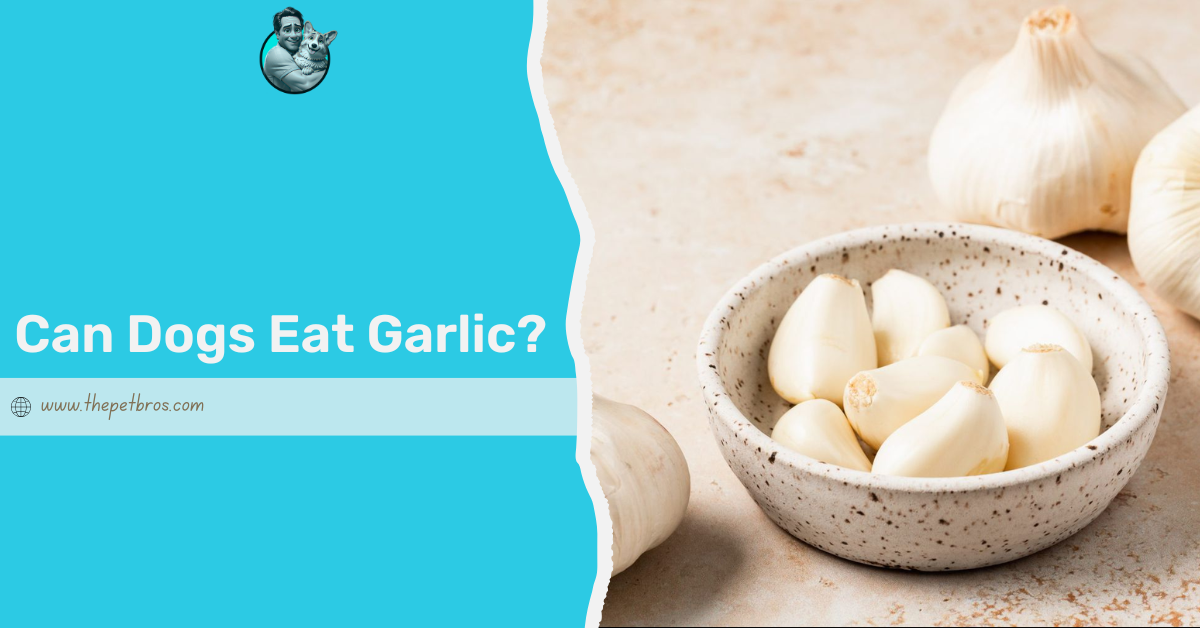
Can dogs eat garlic? That’s a very specific question every dog owner should ask, especially if you’re used to sharing a bite or two of your meals with your dog when they glue their big, hopeful eyes to your plate.
And it’s a question worth asking because garlic sits at the heart of countless savoury dishes, making it one of the most common ingredients a dog might accidentally ingest during a shared meal.
But what happens when a dog actually eats it? To understand the real effects of garlic on a dog’s health, we need to look beyond the kitchen table. This article offers a clear breakdown of what every dog owner should know about garlic and their dog.
Can Dogs Eat Garlic?
Dogs should not eat garlic. Even in small amounts, garlic can be harmful, and its effects depend on how much they eat, how often, and their size. For example, a single clove of garlic can be risky for a small dog around 20 pounds, while a larger dog might handle slightly more. Smaller dogs face the most significant risk because the same amount of garlic represents a higher dose relative to their body weight.
Size and dose are not the only factors, though. Garlic also becomes more dangerous with repeated exposure. When a dog eats small amounts over time, the toxic effects can accumulate, so sharing “just a little” on multiple occasions can still lead to toxic effects.
As a result, some dogs face a higher risk than others. Puppies and senior dogs tend to react more strongly because their bodies handle toxins less efficiently. Small breeds like Chihuahuas, Yorkshire Terriers, and Pomeranians face added risk for the same reason; even tiny amounts count as a higher dose. Certain Japanese breeds, including Akitas and Shiba Inus, also appear more sensitive, suggesting that genetics can influence how a dog reacts to garlic.
Why Is Garlic Different from Other Vegetables?
When we talk about garlic and dogs’ reactions, it helps to understand where garlic fits in the plant world.
Unlike many safe plant-based treats, garlic belongs to the allium family, along with onions, leeks, chives, and shallots. These plants share more than strong smells and bold flavours. They also produce sulphur compounds that dogs cannot safely handle.
When you chop, cook, or chew garlic, it releases compounds such as disulfides and thiosulfinates. Instead of passing through a dog’s body, these compounds interfere with normal cell function.
That is why garlic’s nutrients do not matter for dogs. The issue is not vitamins or minerals but classification. And because the risk comes from the compounds themselves, preparation does not make garlic safer. Raw garlic, cooked garlic, and garlic powder all contain the same harmful substances.
Ways Garlic Affects a Dog’s Body
When a dog eats garlic, these compounds enter the bloodstream and attack red blood cells, which then break down more easily. As damaged cells break down, the body has fewer healthy red blood cells to carry oxygen.
This is why anaemia is one of the most serious consequences of garlic consumption. With fewer red blood cells, a dog may become weak, tired, or pale, and in severe cases, the lack of oxygen can be life-threatening. Even small amounts of garlic can start this process.
6 Common Signs of Garlic Poisoning in Dogs
Some of the earliest signs of garlic poisoning can look mild at first and are easy to overlook, especially if a dog only ate a small amount. Some of them are:
- Vomiting: Your dog may bring up food or liquid, sometimes more than once.
- Diarrhoea: Stools may become loose or more frequent than usual.
- Loss of appetite: Your dog may refuse food they would normally eat eagerly.
- Lethargy: Your dog may seem unusually tired, slow, or less interested in activity.
- Abdominal discomfort: Some dogs show signs of stomach pain through whining, restlessness, or guarding their belly.
- Drooling: You may notice more saliva around the mouth than usual.
For small accidental exposures, careful monitoring is usually sufficient. However, if a dog eats a larger amount of garlic or is particularly sensitive, more serious symptoms may occur. These signs require immediate medical attention and include:
- Pale gums: Your dog’s gums may look lighter than normal when you lift the lip, showing reduced red blood cells.
- Rapid breathing and heart rate: Your dog may pant or breathe faster than usual, even without exercise, and the heartbeat may be faster than normal.
- Dark or brown urine: Urine may appear darker or take on a brownish tint as the body removes damaged blood cells.
- Weakness: You might notice your dog struggling to stand, walk, or keep up with regular activity.
- Collapse or fainting: In severe cases, your dog may suddenly lose strength or collapse due to reduced oxygen delivery.
If your dog shows any of these serious symptoms, they need immediate veterinary attention, especially if they are small, a puppy, older, or have health issues like anaemia or liver problems.
Final Thoughts
Although some sources claim garlic has health benefits for dogs, veterinary experts advise against feeding it at home. The risks are unpredictable and often outweigh any potential benefits.
If you are still wondering, can dogs eat garlic? The safe answer is no. Dogs don’t need garlic, and avoiding it helps prevent unnecessary health complications. So, the next time you want to share your lunch or dinner with your dog, make sure to check that the ingredients and seasonings are safe. Stick to dog-safe vegetables and treats that provide nutrition and enjoyment without putting your pet at risk.
Can Dogs Eat Garlic? FAQs
How much garlic is okay for a dog?
There’s no safe amount. Even small quantities can be risky, especially for sensitive dogs or certain breeds.
How long does it take for garlic poisoning to show up in dogs?
Symptoms can appear within hours or take a few days.
Is a little bit of garlic powder okay for dogs?
Even small amounts of garlic powder can be harmful, and repeated exposure increases the risk of anaemia and other health issues.
Can dogs eat garlic bread?
Garlic bread is unsafe for dogs because it contains garlic and other ingredients such as salt, butter, and onions that can be harmful.
Is cooked garlic bad for dogs?
Yes, cooking garlic does not remove its toxic compounds, so it is unsafe whether raw or cooked.