


Cat pee odour can take over a home faster than you expect. One minor accident can leave a lingering smell that won’t go away, no matter how much you clean. Many cat parents end up searching for how to get rid of cat pee odour after trying sprays, soaps, and home remedies that simply do not work.
What makes this problem so tricky is that cat urine is different from most household messes. The smell can penetrate surfaces, linger even when you think it is gone, and draw cats back to the same spot repeatedly.
In this guide, we will examine what makes cat pee odour so persistent, why some cleaning methods fail, and how to address the problem effectively.
Why Does Cat Pee Smell So Strong?
Cat urine is far more concentrated than many people realise, which is why the smell can feel overpowering after a single accident. It contains urea, uric acid, and other compounds that bind tightly to carpets, fabrics, and hard surfaces.
While fresh urine may smell unpleasant, the real problem begins as it dries. Bacteria start breaking down these compounds, releasing ammonia into the air. As time passes, uric acid crystals form and cling stubbornly to whatever surface they have soaked into, making the odour increasingly difficult to remove.
Hormones also play a significant role in how strong cat pee smells. Unneutered male cats produce additional scent-marking compounds designed to communicate territory. These chemicals create a sharper, more persistent odour. Because cats have a far more sensitive sense of smell than humans, they can detect these scent markers long after you believe the area is clean, which increases the likelihood of repeated marking in the same spot.
Finally, the difference between fresh and old cat pee odour is another reason the smell can be intense. Your cat’s fresh urine is mostly water, so it can be absorbed and managed more easily. Once it dries, however, the remaining crystals can reactivate when exposed to moisture, humidity, or heat.
Things That Actually Kill Cat Pee Odour
- Enzyme-based cleaners: These Cleaners are widely considered the most effective option for removing cat pee odour because they break down the proteins and uric acid crystals that cause lingering smells. Unlike standard household cleaners, enzymes target the source of the odour rather than masking it. This makes them especially useful for areas where urine has soaked deeply into fibres or porous surfaces.
- Vinegar and baking soda: are often recommended as home remedies and can help in a lot of similar situations. Vinegar is acidic, which allows it to neutralise some of the alkaline components of dried urine, while baking soda absorbs odours from the surface. These options may reduce mild smells, but they are generally less effective on older or deeper stains where urine has already crystallised.
Note that Ammonia-based and heavily fragranced chemical cleaners should be avoided when dealing with cat pee odour. Ammonia is already a component of your cat’s urine, so using products that contain it can actually make the area smell more like urine to your cat. Harsh chemical cleaners can also set stains into fabrics and leave residues that are difficult to remove.
Beyond the risk of encouraging repeat marking, in the process of learning how to get rid of cat pee odour, you must know this: strong chemical fumes can harm cats, particularly those with respiratory issues. Cats have delicate airways; repeated exposure to harsh cleaning products may irritate their lungs or trigger coughing and breathing discomfort. Choosing safe cleaning methods is not just about removing odour; it also protects your cat’s long-term health.
How to Get Rid of Cat Pee Odour Step by Step
- Find the source of the smell: Before cleaning, make sure you know exactly where the urine is coming from. Cat pee can soak into carpets, upholstery, and corners that are not immediately visible. In low light, old stains can be difficult to spot, which is why missed areas often continue to smell even after cleaning.
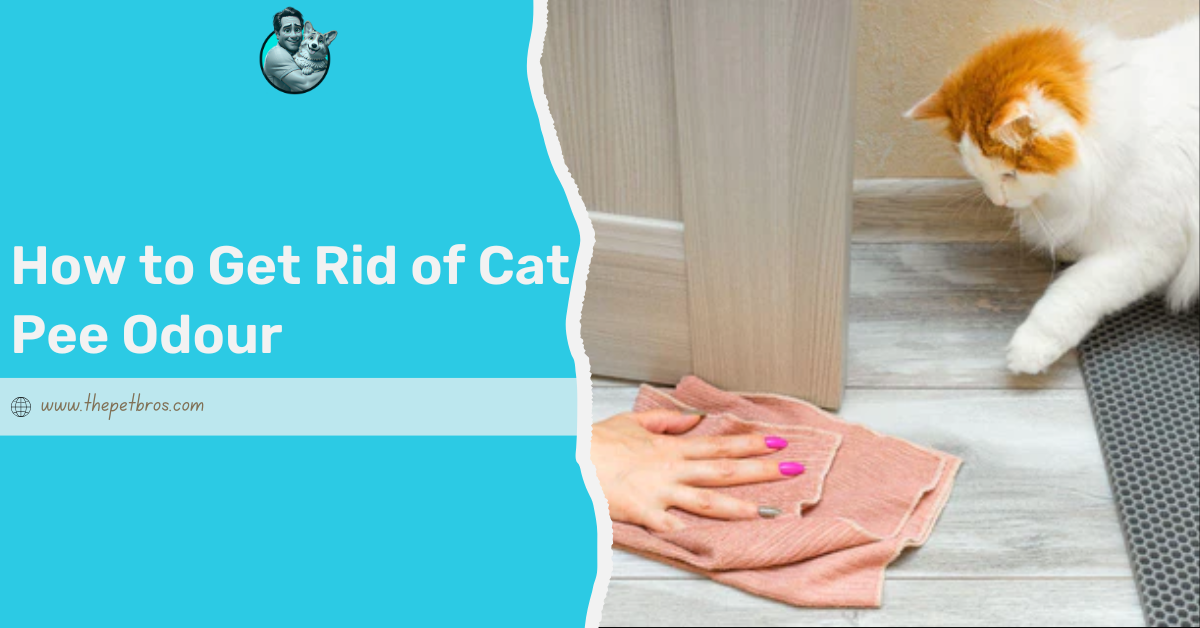
- Blot the area with cold water: Once you’ve found the affected spot, gently blot it with cold water using a clean cloth or paper towel. This helps lift as much fresh urine as possible before it sinks deeper into the material. Avoid scrubbing, it will only make matters worse.
- Apply an enzymatic cleaner: Enzymatic cleaners are for you to break down the compounds in your cat’s urine. Make sure the spot you are trying to clean is thoroughly saturated, including the space around the visible stain. Use cold water if you need to dilute, because heat can make odours stronger.
- Allow the cleaner time to work: Enzymes need time to break down dried urine crystals, especially with older stains. Leave the cleaner in place for the recommended amount of time. This will allow it fully penetrate and neutralise the odour rather than masking it.
- Remove excess moisture: After treatment, remove as much liquid as possible using absorbent cloths or a suitable vacuum. Leaving cleaning residue behind can damage surfaces and contribute to lingering smells.
- Repeat if necessary: Stubborn or old stains may require more than one treatment. The area should be completely dry before reapplying any cleaner to avoid trapping moisture or encouraging mould growth.
- Dry the area thoroughly: Proper drying is essential. Good airflow will help you prevent mildew and reduce the chance of your cat being drawn back to the same spot by lingering dampness or scent
How to Get Rid of Cat Pee Odour From Different Surfaces
- Carpets and rugs: Carpets absorb urine quickly, allowing it to sink beyond the surface fibres. The key is to blot the area as soon as possible with cold water and an absorbent cloth to remove liquid without scrubbing. Once the area becomes damp, apply the suitable enzymatic cleaner generously and leave it to work for the recommended time. Avoid using heat entirely, as steam cleaners and hot water can trap the odour in the carpet and padding.
- Wood and hard flooring: Sealed wooden floors and hard surfaces are less absorbent, making cleanup more straightforward when addressed promptly. Wiping the area with cold water and a safe cleaner may be enough for fresh accidents
- Furniture and cushions: Soft furnishings pose a challenge because urine can soak deep into foam and upholstery. After blotting with cold water, treat the affected area carefully to avoid oversaturating the filling. Enzymatic cleaners work best when allowed to penetrate slowly and dry thoroughly. Ventilate the cushions well when they are drying to prevent trapped moisture, which can lead to lingering odours or mould.
- Mattresses: Mattresses are similar to cushions but require extra patience. Urine can spread outward beneath the surface, so cleaning should extend beyond the visible stain. You should then, start blotting, followed by a thorough application of an enzymatic cleaner. Make sure the mattress dries completely before use. You might need multiple treatments for older accidents, particularly if the odour has had time to settle.
- Clothing and bedding: Washable fabrics are often easier to manage when you follow the proper care. Rinse the clothes in cold water before washing. Adding baking soda or a small amount of vinegar during the wash may help reduce lingering smells. If the odour persists after washing, use an enzyme-based laundry additive then air-dry the item completely.
Conclusion
Living with lingering smells can be frustrating, but it does not have to be permanent. Understanding why accidents happen, choosing the right cleaning approach, and preventing repeat marking keeps your home fresh. With the right steps, learning how to get rid of cat pee odour becomes far more manageable. It also allows you to restore comfort to your space and create a cleaner, environment for you and your cat.
How to Get Rid of Cat Pee Odour FAQs
Is vinegar or baking soda better for cat pee?
Vinegar helps neutralise ammonia while baking soda absorbs odours, but neither is as effective as enzymes for deep stains.
How to neutralise cat urine naturally?
Cold water blotting followed by a diluted vinegar solution can help mild odours, though enzymatic cleaners work best long term.