


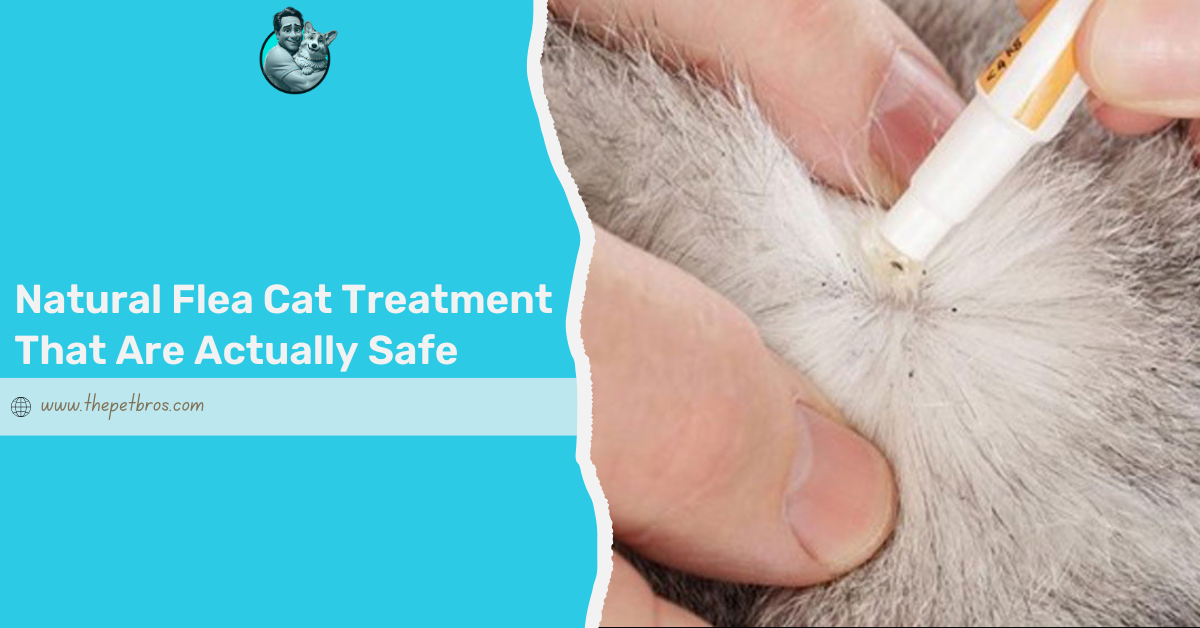
Few things unsettle cat owners faster than constant scratching. One day, your cat seems fine, and the next, they are restless, irritated, and clearly uncomfortable. Recent studies confirm that fleas are among the most common external parasites affecting cats, with many household pets encountering them at least once in their lifetimes. That reality often sends cat parents asking one popular question: Is there a natural flea cat treatment that actually works?
Cats process substances very differently from dogs and humans, and some remedies praised online can cause more harm than good. Because something is “natural” does not mean it’s safe. This is why in this article, we will help you separate safe, natural flea treatments for cats from risky trends, so you can make informed choices when helping your cat overcome fleas.
What To Know Before Using Natural Flea Cat Treatment
Before trying any natural flea cat treatment, it’s important to understand how sensitive cats are to external products. Cats groom themselves constantly, so anything applied to their fur or skin is often ingested. This alone makes certain home remedies far riskier for cats than for other pets.
It’s also worth knowing that many flea problems do not come from the cat alone. Fleas spend a large part of their life cycle in carpets, bedding, and furniture. Treating only your cat without addressing the environment often leads to repeated infestations, even when the remedy itself is safe.
Veterinary guidance consistently stresses caution with so-called “natural” solutions. Some substances marketed as gentle alternatives have not been tested for feline safety, especially when used regularly. Starting slowly, observing your cat’s reaction, and avoiding combinations of remedies helps reduce unnecessary risk. Natural flea cat treatment works best when you think of it as management, not instant elimination.
And finally, it’s important to know the symptoms of fleas in cat first, to be sure you and your cat are indeed plagued by fleas and not something entirely different.
8 Natural Flea Cat Treatment Options
1. Flea Combing For Physical Removal
A flea comb gives you one of the most direct ways to deal with fleas naturally. Fleas are small, dark, and fast-moving, often described as tiny brown or black specks that dart through the coat, especially around the neck, tail base, and belly. When you run the fine teeth of a flea comb through your cat’s fur, you physically remove adult fleas before they can continue biting or laying eggs.
As you comb, keep a bowl of warm, soapy water nearby. Each time you catch a flea, drop it straight into the water to prevent it from jumping back onto your cat. This hands-on approach helps you confirm whether fleas are present and immediately reduces their numbers. Regular combing builds a simple routine that keeps you aware of changes in your cat’s coat and comfort.
2. Washing Bedding And Fabrics Thoroughly
Fleas do not live on your cat alone. They also settle into soft surfaces like bedding, blankets, sofas, and carpets, which is why cleaning fabrics is a major part of natural flea cat treatment. When you wash your cat’s bedding regularly using hot water, you break the flea life cycle and remove eggs before they hatch.
One hack here, however, is to pay close attention to areas your cat uses the most. This includes favourite sleeping spots, blankets they knead, and any fabric they return to after using the litter tray. Fleas often thrive in warm, familiar scents, including areas that carry traces of your cat’s natural oils or the occasional lingering smell of cat pee from accidents or markings.
Once you are done washing, dry fabrics thoroughly on high heat whenever possible. Heat helps destroy remaining flea eggs and larvae, making it harder for fleas to repopulate your home.
3. Lemon-Based Household Treatments
Lemons contain natural citric compounds that fleas dislike, which makes them useful for treating your home rather than your cat. You can use diluted lemon sprays on surfaces like skirting boards, window sills, and corners of rooms where fleas often hide. This approach targets the environment fleas depend on without exposing your cat directly.
It goes without saying that you must keep your cat away from any areas you’ve applied lemon-based solutions until they are fully dried. And that’s because cats are sensitive to citrus, so distance matters here. Using lemons this way helps reduce flea activity in shared spaces while keeping your cat comfortable and safe.
Now, it’s important to mention that using lemon should be seen more as a support alternative rather than a natural flea cat treatment or cure. And that’s because they work best when combined with other natural methods discussed in this article, especially regular cleaning, helping you reduce flea numbers over time without relying on harsh chemicals.
4. Rosemary-Infused Sprays Used With Care
Rosemary has a strong scent that fleas tend to avoid, which makes it useful as a gentle environmental aid. When you steep dried rosemary in hot water and let it cool, you can create a light spray for areas where your cat spends time. These areas typically include bedding edges, nearby floors, and so on. This helps make those spaces less inviting to fleas.
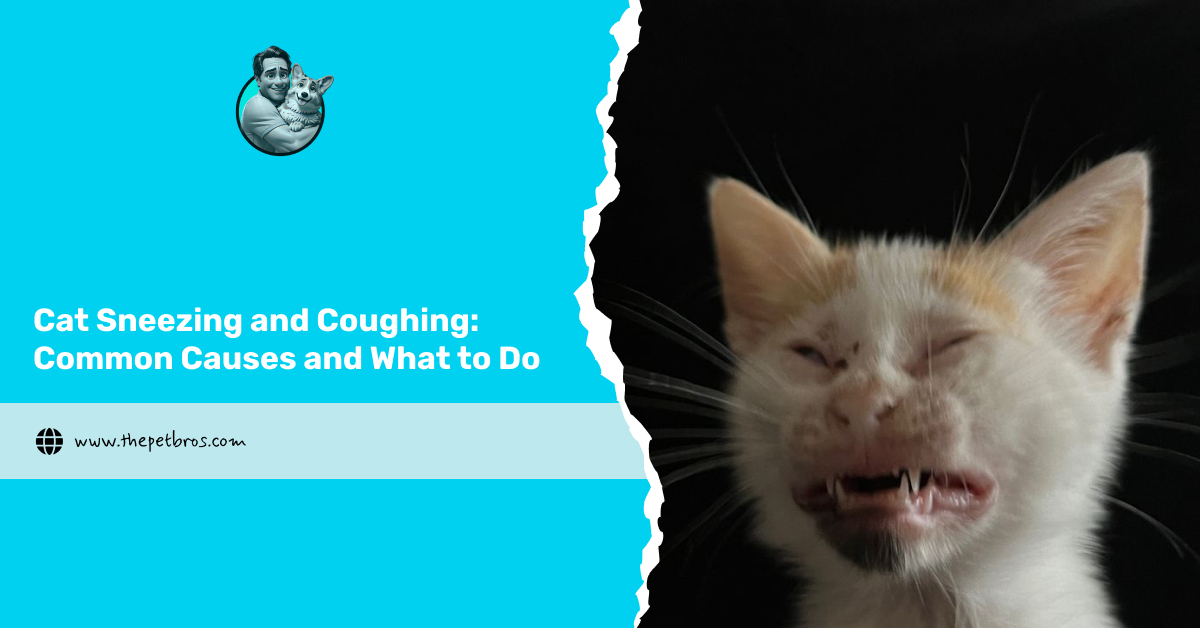
The caution here, however, is to use rosemary sprays sparingly, and never soak surfaces. Cats are sensitive to strong smells, and strong odours can make them sneeze and cough terribly. You cannot afford that. Therefore, just like with lemon-based solutions, always allow sprayed areas to dry fully before letting your cat back into the space.
5. Cedar Chips Placed In The Environment
Cedar has a scent that fleas tend to avoid. This makes it useful for treating areas around your cat rather than your cat directly. But, you still get your intended goal of keeping fleas and even ticks far away from your feline friend.
You can place cedar chips near sleeping areas, under furniture, or in outdoor spots where your cat likes to rest. This helps discourage fleas from settling in those zones.
Also, as with other natural flea cat treatment options discussed thus far, ensure you keep cedar chips out of your cat’s reach. Cats may sniff or paw at new objects, and direct contact is not the goal here. Instead, you want the scent to work in the background without becoming a distraction or risk.
6. Use Coconut Oil Sparingly And Externally
Coconut oil can help manage fleas by coating the fur and making it harder for fleas to move and stay attached. When used correctly, it can also soothe dry or irritated skin caused by scratching. A small amount, warmed between your fingers, is enough to work lightly into the affected areas.
Keep portions minimal and focus on external use only. Cats groom themselves constantly, so using too much oil increases the chance of ingestion, which can upset the stomach. Always apply coconut oil in areas your cat cannot easily lick straight away, and monitor their reaction.
7. Dish Soap Baths Used Short Term And Infrequently
Dish soap can help remove fleas because it breaks down their outer layer, causing them to drown when rinsed away. When used carefully, it offers a short-term way to reduce flea numbers on your cat, especially if the infestation is mild.
Use this method sparingly. Cats do not tolerate frequent baths well, and dish soap can dry out the skin if used too often. Always dilute the soap, avoid the face and ears, and rinse thoroughly to prevent residue from irritating the skin.
8. Environmental Cleaning To Break The Flea Life Cycle
Fleas rely on your home just as much as your cat. Eggs and larvae settle into carpets, floor cracks, furniture, and soft furnishings, where they quietly develop. Regular vacuuming helps remove these hidden stages before they mature and return to your cat.
Focus on areas your cat uses daily. Vacuum slowly, especially along edges, under furniture, and around sleeping spots. Empty the vacuum immediately after use and dispose of the contents outside to stop fleas from escaping back into your home.
Environmental cleaning strengthens every other natural flea cat treatment you use. When you reduce flea numbers in the home, you lower the pressure on your cat and make reinfestation far less likely.
Conclusion
A natural flea cat treatment can be part of a broader flea management plan when safety and moderation come first. Some natural approaches help reduce flea numbers and support comfort, but they work best alongside good hygiene and environmental control. Avoiding unsafe remedies and knowing when to seek veterinary support keeps your cat protected without unnecessary risk.
Natural Flea Cat Treatment FAQs
What kills fleas on cats immediately?
Physical removal methods and vet-approved treatments act faster than most natural options.
How to make homemade flea powder for cats?
Homemade powders are not recommended due to inhalation and toxicity risks.
What smell do fleas hate on cats?
Strong scents may repel fleas, but many are unsafe for cats and should be avoided.
What kills fleas on cats instantly?
Instant results usually require veterinary flea products rather than natural remedies.