


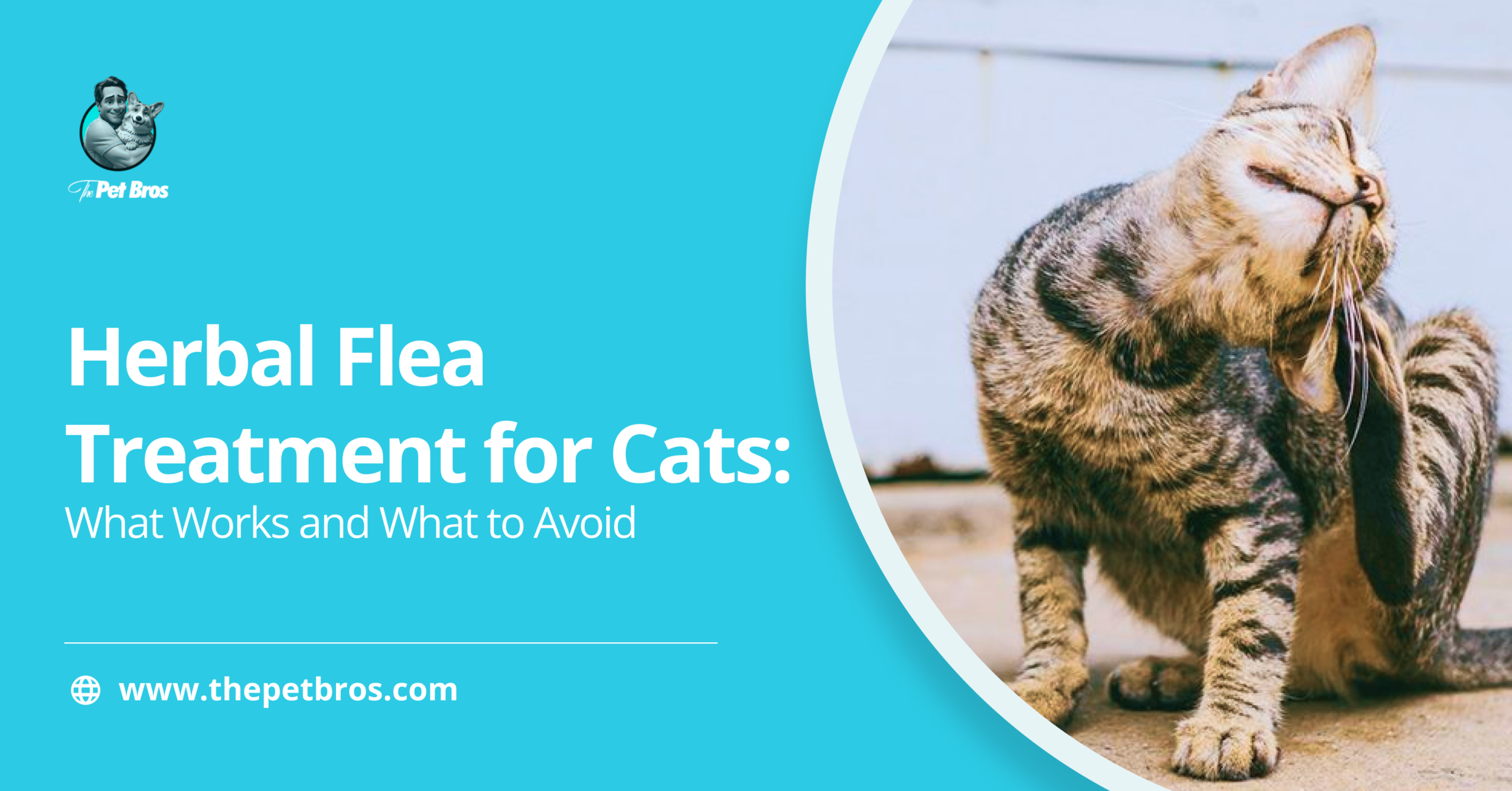
Fleas can turn a calm cat into an itchy, restless bundle of frustration overnight. One minute, your cat is stretched out on the sofa. The next, they are scratching, twitching, and clearly uncomfortable. The first worry is not just how to get rid of fleas, but how to do so safely. That concern is why there is an interest in herbal flea treatment for cats.
You may want gentler options that avoid harsh chemicals while still helping to manage fleas. However, herbal treatments work very differently from conventional flea products, and not everything labelled “herbal” is safe for cats.
This guide explains which herbs are commonly used, what should be avoided, and how herbal options fit into a realistic flea control routine.
What Qualifies as a Herbal Flea Treatment for Cats?
Herbal flea treatment refers to plant-based ingredients used to repel fleas or disrupt their life cycles. These treatments rely on herbs and botanical extracts rather than synthetic insecticides.
It is important to separate herbal remedies from the broader idea of “natural” treatments. Vinegar, baking soda, salt, and diatomaceous earth may be natural, but they are not herbal. Likewise, processing some herbal ingredients into concentrated forms makes them unsafe for cats.
Cats have a limited ability to process certain plant compounds, especially those found in essential oils. This is why clarity matters. A product does not become safe simply because it is plant-based. Herbal flea treatment for cats focuses on carefully selected herbs, used at concentrations safe for cats, and applied in ways that minimise risk.
3 Commonly Used Herbs in Herbal Flea Treatment for Cats
Several herbs are commonly used in herbal flea products for cats. These herbs do not usually kill fleas instantly. Instead, they help repel fleas, disrupt breeding, or support irritated skin.
1. Neem
Neem comes from the Azadirachta indica tree and is widely used in herbal pest control. In flea treatments, neem can help interrupt the flea life cycle and prevent reproduction.
Always dilute neem properly before using it on cats. Use only formulations specifically designed for pets. Some cats tolerate neem well, while others may develop skin irritation. This is why patch testing and careful observation are essential when using any neem-based product.
2. Lemongrass
Lemongrass contains compounds that fleas find unpleasant, which makes it useful as a repellent. Use lemongrass only in very small amounts when treating cats for fleas. Use it strictly within blended products designed for pets.
Cats are sensitive to concentrated oils, so lemongrass should never be applied undiluted. Products designed for feline use take this into account and use controlled concentrations that focus on repelling fleas rather than overwhelming the skin.
3. Rose Geranium and Lavender
Rose geranium and lavender are often included in herbal flea products for their repellent properties and soothing effects on irritated skin. These herbs do not kill fleas directly, but they can make the coat and skin less appealing to parasites.
The key factor in using rose geranium and lavender for cats is formulation. Properly prepared products use low concentrations and avoid direct exposure to areas that cats may lick excessively.
Herbal Ingredients That Are Unsafe for Cats
Some herbs and plant extracts often appear in online flea treatment advice, but many are unsafe for cats. Avoid these ingredients completely in any herbal flea control routine.
People sometimes recommend garlic for flea control. However, garlic damages red blood cells in cats and should never be used. People also often promote tea tree oil as a natural option. Even in very small amounts, it is highly toxic to cats.
Citrus-based herbal products also pose a risk. Compounds such as limonene can cause skin irritation and/or more serious health conditions in cats. Any herbal flea treatment for cats should clearly state that it is formulated specifically for feline use.
Non-Herbal Natural Flea Remedies and Their Limits
When fleas show up, it is tempting to reach for everyday household items. They are familiar, affordable, and easy to use. Some of these options can help reduce flea activity in your home, but they work very differently from the proper herbal flea treatment. They manage the environment, not the infestation on your cat.
1. Vinegar
Vinegar does not kill fleas. Its sharp smell makes cats less attractive to fleas. This is why people often mention it in flea control discussions. You can use diluted vinegar on bedding, floors, or washable surfaces to discourage flea activity. Applying it directly to your cat’s coat is not a good idea. It can dry the skin, especially if your cat already scratches.
2. Baking Soda and Salt
These powders work by drying out flea larvae and eggs in carpets and soft furnishings. They do not target adult fleas living on your cat. They offer no ongoing protection after the fleas are removed. Use them only in areas your cat cannot access easily.
- Sprinkle lightly on carpets or pet bedding
- Leave for several hours
- Vacuum thoroughly to remove residue
Never rub baking soda or salt into your cat’s fur. It can irritate the skin, paws, and airways if inhaled.
3. Diatomaceous Earth
Food-grade diatomaceous earth can damage fleas’ exoskeletons in the environment, helping reduce flea numbers over time. It works slowly. It only acts in the areas where you apply it. Even food-grade products can irritate the lungs if inhaled, so careful handling is essential.
- Use it in cracks, carpets, or bedding
- Keep your cat away from treated areas
- Avoid airborne dust at all times
These methods can support flea control in your home, but they cannot replace a safe flea treatment plan. Think of them as background helpers. They reduce pressure in the environment while other treatments address the fleas where they matter most.
How to Use Herbal Flea Treatment Effectively
- Comb your cat daily: Use a flea comb every day to remove adult fleas before they can multiply. Focus on the neck, back, and base of the tail, where fleas often hide. This step makes herbal treatments more effective by reducing the number of active fleas.
- Wash bedding and treat your home: Clean your cat’s bedding, blankets, and soft furnishings regularly. Warm washes help break the flea life cycle and stop reinfestation. Vacuum carpets and corners where flea eggs tend to collect.
- Stay consistent and track changes: Herbal flea treatments work gradually. Apply them as directed and watch your cat’s skin and behaviour closely. Reduced scratching and fewer fleas on the comb signal progress.
- Know when to seek veterinary advice: If fleas persist, your cat becomes unwell, or skin irritation worsens, contact your vet. Kittens, older cats, and cats with health conditions need professional guidance early.
Conclusion
Fleas do not disappear on their own, and guessing your way through treatment will only prolong the problem. Herbal flea treatment for cats offers a practical option when safety matters, but it only works when you choose the right ingredients and use them consistently. Not every plant-based remedy belongs on a cat’s skin, and not every natural idea helps.
A focused approach makes the difference. Combine safe herbal products with daily combing, clean bedding, and proper home care. Watch how your cat responds and adjust early if irritation or flea activity continues. When fleas refuse to settle, or your cat shows signs of distress, professional advice is not optional.
Herbal Flea Treatment For Cats FAQs
How can you get rid of cat fleas naturally?
Natural control combines herbal repellents, flea combing, and home cleaning.
How to make homemade flea medicine for cats?
Homemade remedies require caution and proper dilution to avoid harm.
What kills fleas the fastest on cats?
Conventional treatments work fastest, while herbal options act more gradually.
How to get rid of fleas on cats naturally with vinegar?
Vinegar may repel fleas, but it does not eliminate an infestation.