


If you have ever found yourself hesitating between the terms German Shepherd and Alsatian dog, you are certainly not the only one. The names are often used interchangeably, sometimes even in the same conversation, leaving many dog parents unsure whether they are talking about one breed or two. For first-time buyers especially, this uncertainty can make you feel like choosing the right dog is complicated.
The confusion is understandable. German Shepherds rank among the most recognisable dogs in the world, yet people commonly know them by two different names. Add in lookalike breeds like the Belgian Malinois and regional naming habits, and it becomes even harder to tell where the truth begins.
This article takes a close look at the German Shepherd and Alsatian dog debate, uncovering why the names exist, how they are used today, and what really matters when people talk about the differences.
Is A German Shepherd and Alsatian Dog the Same Breed?
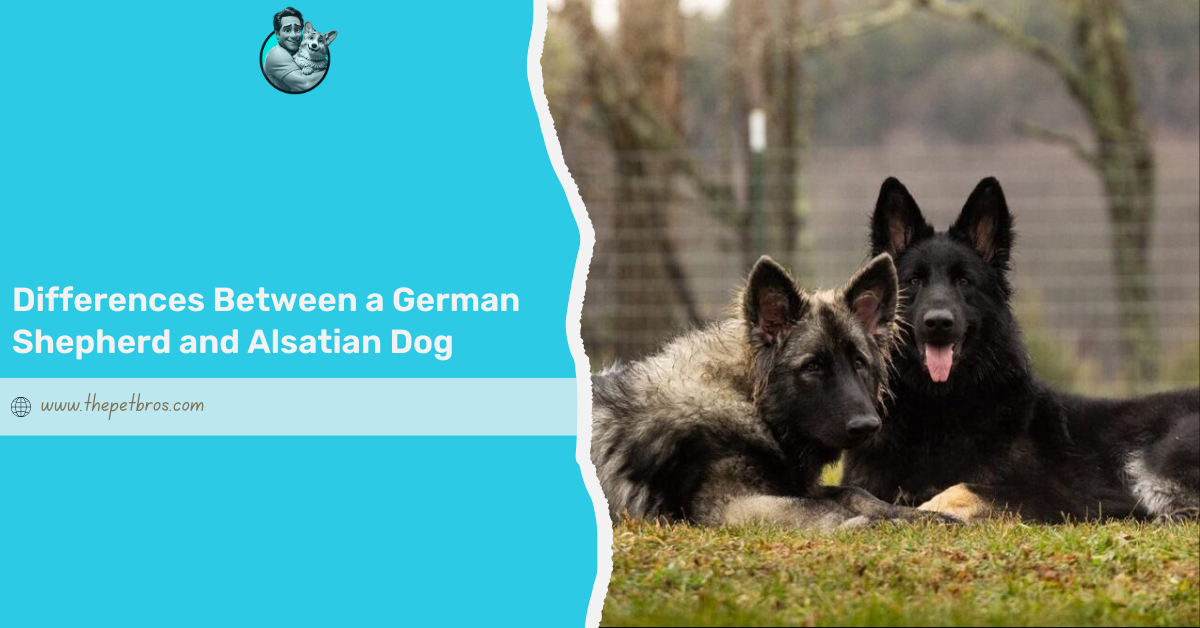
Yes, German Shepherds and Alsatian Dogs are the same breed. The confusion around these two names is rooted in history, rather than physical differences or variations in temperament. Over time, “Alsatian” became a regional name used predominantly in the UK, while the rest of the world continued to use “German Shepherd” to refer to the same dog.
But you may wonder, if these two names refer to the same breed, are there any differences in the dogs themselves? The answer is mostly no. Both names describe a versatile, intelligent breed, capable of excelling in roles from working dogs to family pets. What does change, however, is the appearance of German Shepherds depending on their lineage and specific breeding. You might come across a striking blue German Shepherd, or even a black German Shepherd with solid fur, or the more traditional tan and black variety. Less common but still seen, the white German Shepherd also draws attention with its unique coat, though it is often considered a variation of the same breed.
So, you may see a wide range of colours and patterns across the breed. However, all of these dogs remain the same breed, whether people call them German Shepherds or Alsatians.
German Shepherd vs Alsatian Dog in Modern Use
The name “Alsatian” came about during a time of significant historical change. Originally, the breed was known as the German Shepherd, a name that highlighted its German origins. However, during World War I, anti-German sentiment was high, particularly in the UK, where the word “German” carried negative associations. To avoid this, the British adopted the term Alsatian, named after the Alsace-Lorraine region, a disputed area between France and Germany. This rebranding helped distance the breed from its German roots during a time of political tension.
Interestingly, the German Shepherd and Alsatian dog have always been the same breed. However, the name change created a divide that still lingers in some parts of the world today. The term Alsatian remained in use throughout much of the 20th century. This continued even as the breed gained international recognition as the German Shepherd. Over time, the name German Shepherd regained prominence as the breed’s original name. This shift became more noticeable after World War II, as anti-German sentiment began to ease.
Despite this, people in the UK continued using the name Alsatian for decades. This long-term use caused confusion, leading many to assume the dogs were separate breeds. Today, some regions still use the term Alsatian. However, the German Shepherd stands as the globally accepted name. It reflects both the breed’s origins and its worldwide popularity.
Features of a German Shepherd and Alsatian Dog
1. Physical Appearance
The German Shepherd and Alsatian dog fall into the medium to large size range and display strong, muscular builds with a characteristic straight back. They also have a bushy tail and a well-balanced frame. This structure supports both agility and strength, whether they work in active roles or live as family dogs.
Typically, German Shepherds come in colours like black and tan, sable, or pure black. However, one variation within the breed is the long-haired German Shepherd. Long-haired German Shepherds appear less often than the traditional short-coated type. They keep the same strong body structure, but their thicker coats require extra grooming.
The only difference between a German Shepherd and an Alsatian comes from regional naming conventions. Both names describe the same breed with identical physical characteristics.
2. Temperament and Personality Traits
The German Shepherd and Alsatian dog are known for their intelligence, loyalty, and versatility. They are highly trainable and excel as working dogs in police and military roles. They also thrive as devoted family companions.
These dogs learn quickly and respond well to positive reinforcement. This makes them ideal for tasks that require problem-solving and obedience. Whether for agility, tracking, or service work, their eagerness to please makes training straightforward.
This breed is protective of their families, naturally inclined to guard their loved ones. This protective nature can make them excellent guard dogs, but it also requires proper socialisation to ensure balanced behaviour.
3. Training and Working Ability
The German Shepherd and Alsatian dog is highly trainable, thanks to their intelligence and eagerness to please. Whether you’re teaching basic commands or more complex tasks, these dogs excel in training environments. Their quick learning ability suits them for a wide range of roles. These include police and military service, therapy work, and agility sports.
This breed thrives when given a purpose. The German Shepherd and Alsatian dog are natural workers. People often use them in law enforcement, search and rescue, and assistance roles for individuals with disabilities. They need regular mental stimulation and physical activity to stay happy and well-behaved. Without it, they can become bored and potentially develop destructive behaviours.
4. Health Considerations to Be Aware Of
The German Shepherd and Alsatian dog are generally healthy breeds. However, like all dogs, they can be prone to certain health conditions. One of the most common issues in both breeds is hip dysplasia. This genetic condition occurs when the hip joint does not fit properly into the hip socket. This can lead to arthritis and pain as the dog ages, making proper weight management and exercise crucial.
To help maintain their health, feeding them a balanced diet rich in protein, healthy fats, and essential vitamins is key. Choose dog food specifically formulated for large breeds like the German Shepherd. This helps support muscle mass and protect joint health.
Regular exercise is also a must to keep them fit and prevent obesity, which can exacerbate joint issues. Healthy, well-balanced meals paired with regular physical and mental stimulation are the foundation of a long, happy life.
Now, Which Name Should You Use?
Whether you call them German Shepherds or Alsatians, it ultimately depends on your location and preference. International organisations recognise German Shepherd as the breed’s official name. Alsatian remains in use in some parts of the UK. Both names refer to the same breed, so it’s really about tradition rather than any difference in the dog itself.
The difference between a German Shepherd and Alsatian dog is not about the dog itself, but about history and naming. Understanding this clears up confusion and helps owners focus on what truly matters: temperament, health, training, and lifestyle fit.
Differences Between a German Shepherd and Alsatian Dog FAQs
What is the difference between German and Alsatian?
There is no physical or behavioural difference. The difference is historical and regional.
Which dog is also called Alsatian?
The German Shepherd dog is also known as the Alsatian, particularly in the UK.
When did German Shepherds become Alsatians?
The name Alsatian was adopted during the World Wars to avoid German associations.
Why are German Shepherds called Alsatians?
They were renamed after the Alsace region as a politically neutral alternative.