


You know that moment when you’re stroking your dog, everything feels normal, and then suddenly you feel a tiny bump that definitely was not there yesterday. Your heart skips, your fingers freeze, and your brain jumps straight to panic mode. This is usually how many dog parents first realise why canine tick treatment is not just a seasonal thought but a real part of everyday dog care.
Ticks have a way of turning a calm day into a panic. They are small, stubborn, and far too good at going unnoticed. The good news is that handling them does not have to be stressful or overwhelming. With the right approach, tick control becomes manageable, familiar, and far less intimidating.
What Makes Ticks a Risk For Dogs
Ticks are not just a minor irritation. Studies have shown that around 30% of dogs examined by vets had at least one tick attached during a typical monitoring period, even when owners didn’t realise their pet was carrying one. That means nearly 1 in 3 dogs could be hosting these tiny parasites without an obvious sign at first glance.
Ticks are most active in woodland, grassland, and even gardens from spring through autumn, but they can be present at other times too. These parasites latch onto dogs’ skin and feed on their blood. Some of them carry bacteria that can cause illnesses such as Lyme disease, which has been increasing among both people and dogs in recent years.
Because of this, choosing the right canine tick treatment is about protecting your dog’s health when out enjoying walks, parks, or the countryside.
How Canine Tick Treatment Works
Canine tick treatment works by disrupting a tick’s ability to survive once it attaches to your dog. Most treatments are designed to either kill ticks shortly after they attach or prevent them from staying long enough to feed properly. In practical terms, this reduces the window in which ticks can cause irritation or transmit disease. Some treatments remain active in a dog’s system or on the skin for several weeks, offering continuous protection rather than a one-off fix.
What many owners do not realise is that treatment works best alongside routine care. Regular grooming plays an important role here. Brushing and coat checks help spot ticks early and make treatments more effective by reducing hiding places in thick fur. Canine tick treatment will help you create conditions where ticks struggle to survive in the first place.
3 Common Types of Canine Tick Treatment
- Oral Tick Treatments: These treatments are given as tablets or chews and work from inside your dog’s body. Once a tick attaches and begins to feed, the treatment takes effect, and the tick dies shortly after. Some dogs may show mild signs of discomfort when first starting a new treatment. In a few cases, this can look like restlessness or whining, which is often temporary and linked to adjustment rather than the ticks themselves.
- Topical Spot-on Treatments: Spot-on treatments are applied directly to the skin, usually along the back of the neck or spine. They spread across the skin’s surface and create an environment that ticks struggle to survive in. Dogs that dislike the sensation of application may briefly scratch or rub, especially if they are sensitive to handling during grooming.
- Tick Collars: Tick collars release active ingredients slowly over time, offering longer-lasting protection. They work best when fitted correctly and checked regularly. Some dogs vocalise due to the unfamiliar feeling around their neck, which usually settles once they adjust.
Each option works differently, which is why choosing the right canine tick treatment depends on what suits your dog’s behaviour, tolerance, and routine.
Choosing The Right Canine Tick Treatment For Your Dog
| Factor to Consider | Why It Matters | What to Look Out For |
|---|---|---|
| The dog’s age and weight | Most canine tick treatment products are dosed by weight and age. Using the wrong dose can reduce effectiveness or increase side effects. | Always match the product to your dog’s current weight and life stage. Puppies often have stricter limits. |
| Lifestyle and activity level | Dogs that spend more time outdoors are more frequently exposed to ticks. Higher exposure increases the need for consistent protection. | Dogs that hike, roam, or play in grassy areas may need longer-lasting or fast-acting treatment. |
| Coat length and grooming routine | Thick or long coats can hide ticks, making them harder to spot. Infrequent grooming increases this risk. | Regular brushing supports canine tick treatment by helping owners detect ticks early. |
| Sensitivity and health history | Some dogs are more sensitive to certain ingredients, or they may have existing conditions that affect tolerance. | Watch for signs such as itching, lethargy, or unusual whining after starting a new treatment. |
| Ease of use | Treatment only works when it is given correctly and consistently. Complicated routines reduce compliance. | Choose a canine tick treatment that fits easily into your routine. |
| Duration of protection | Some treatments last weeks, others last months. Longer protection reduces gaps in coverage. | Missed doses can leave dogs exposed, even briefly. |
| Environment and exposure risk | Ticks thrive in many environments, not just rural or wooded areas. | Dogs that socialise with other animals may be exposed to greater risk. |
What Kills Ticks on Dogs Quickly
Speed matters when dealing with ticks. Research shows that many ticks need 24 to 72 hours of feeding before they are more likely to transmit infections. This is why fast-acting canine tick treatment plays such an important role in reducing risk. Most modern treatments are designed to work shortly after a tick attaches, limiting how long it can remain active on the dog.
That said, no treatment works instantly in the same way a physical action does. The quickest immediate response to a visible tick is proper removal using the correct tools. Treatment products then take over by killing remaining ticks and preventing new ones from surviving. Canine tick treatment is most effective when it combines prompt removal with ongoing protection, rather than relying on a single approach.
Canine Tick Treatments to Avoid
Not everything labelled “natural” or “quick fix” is safe for dogs. Some home remedies and online hacks do little to stop ticks and can actually make things worse. Products like undiluted essential oils, harsh chemicals, or human insect sprays can irritate the skin and lead to reactions rather than relief.
In some dogs, poor or unsuitable tick treatments can trigger visible discomfort. This may show up as a red or swollen paw, excessive licking, or general restlessness. More severe irritation can cause dogs to vocalise through whining or even howling, especially if the skin feels sore or inflamed. These signs are often mistaken for behavioural issues when they are actually a reaction to something applied to the body.
How to Remove Ticks Safely at Home
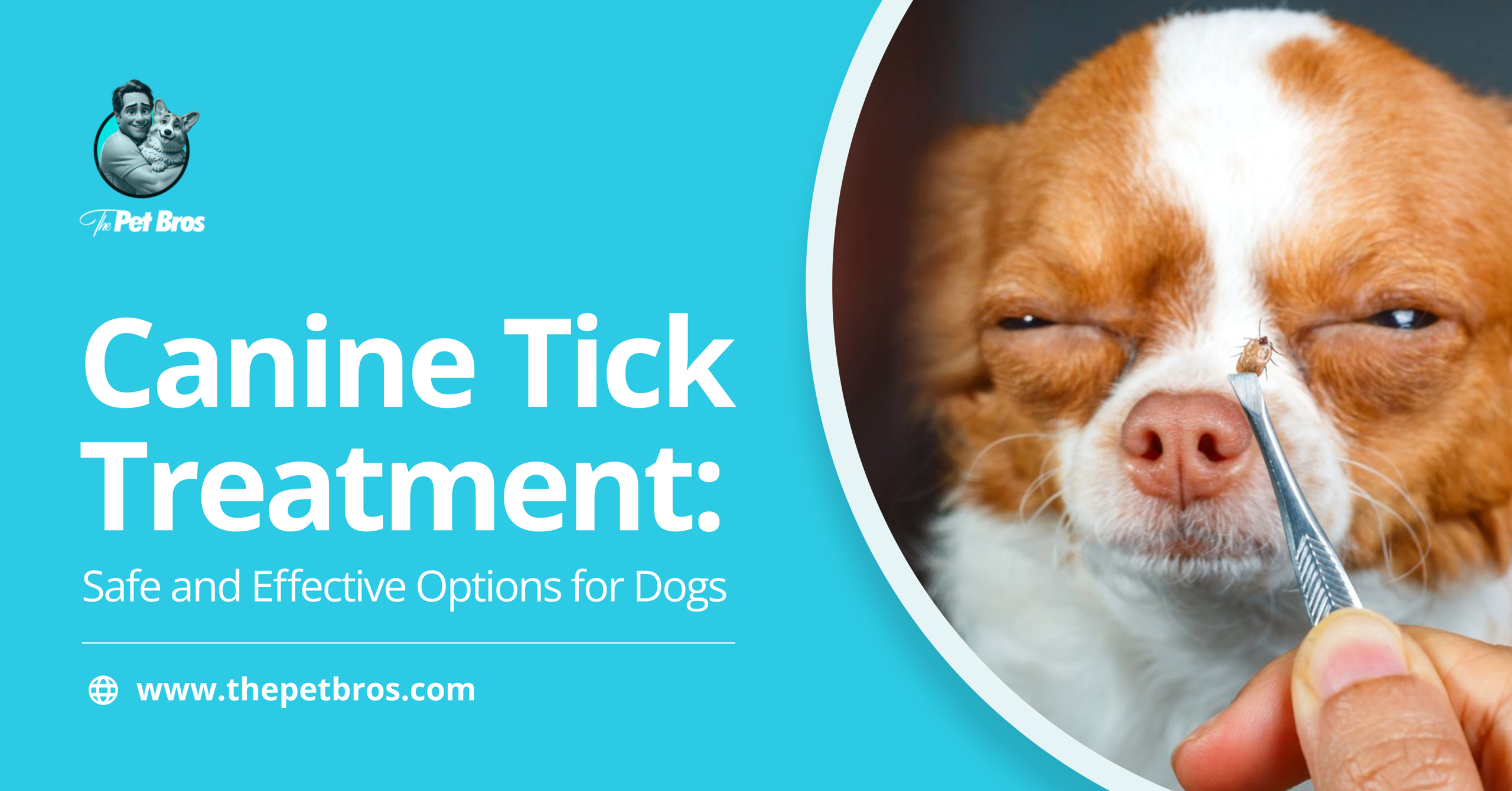
- Use the right tool: Fine-tipped tweezers or a proper tick removal tool give you better control during removal. They help reduce the risk of squeezing the tick’s body. Fingers are not precise enough, which can increase the risk of leaving parts behind in the skin.
- Grip close to the skin: Place the tool as close to your dog’s skin as possible. Focus on gripping the tick’s head rather than the body. This approach helps remove the entire tick cleanly and limits irritation at the bite site.
- Pull slowly and steadily: Apply slow and even pressure while pulling straight out. Avoid twisting, jerking, or rotating the tool. Sudden movements can cause the tick to break and leave mouthparts behind.
- Clean the area afterwards: Once the tick is removed, clean the bite area using a pet-safe antiseptic. This helps reduce the risk of infection. It also soothes the skin after removal.
- Dispose of the tick properly: Seal the tick in tissue, tape, or a closed container. Dispose of it safely. Never crush a tick on your dog’s skin, as this can spread bacteria.
- Monitor the bite site: Check the area over the next few days. Look out for redness, swelling, or signs of discomfort. Any worsening reaction may need attention.
Removing ticks promptly supports canine tick treatment. Ongoing protection helps reduce the risk of repeat attachments.
Now, When Should You See a Vet About Ticks
Most tick bites can be managed at home, especially when they are spotted early. However, some reactions go beyond normal healing. If the bite area becomes increasingly red, swollen, or warm over several days, it may point to infection. Persistent licking, limping, or sensitivity around the site can also suggest discomfort that is not settling on its own.
A vet visit is also important if your dog shows wider changes in behaviour. Ongoing lethargy, reduced appetite, stiffness, or unusual vocalising such as whining or howling should not be ignored. These signs can appear days or even weeks after a tick bite.
You should also seek professional help if multiple ticks are found at once, if a tick cannot be removed fully, or if your dog reacts poorly after starting a new canine tick treatment. Early advice helps prevent minor issues from becoming serious problems.
Canine Tick Treatment FAQs
What is the best treatment for dog ticks?
The best canine tick treatment is a regular preventative product recommended by a vet.
What kills ticks on dogs immediately?
Physical removal works instantly, while canine tick treatment products kill ticks shortly after they attach.
What’s the best tick medicine for dogs?
The best tick medicine is one that suits your dog’s health, size, and lifestyle.
What is the safest tick and flea treatment for dogs?
The safest canine tick treatment is one chosen with veterinary guidance.
How to remove ticks from a dog at home?
Use tweezers or a tick tool, grip close to the skin, and pull steadily.