



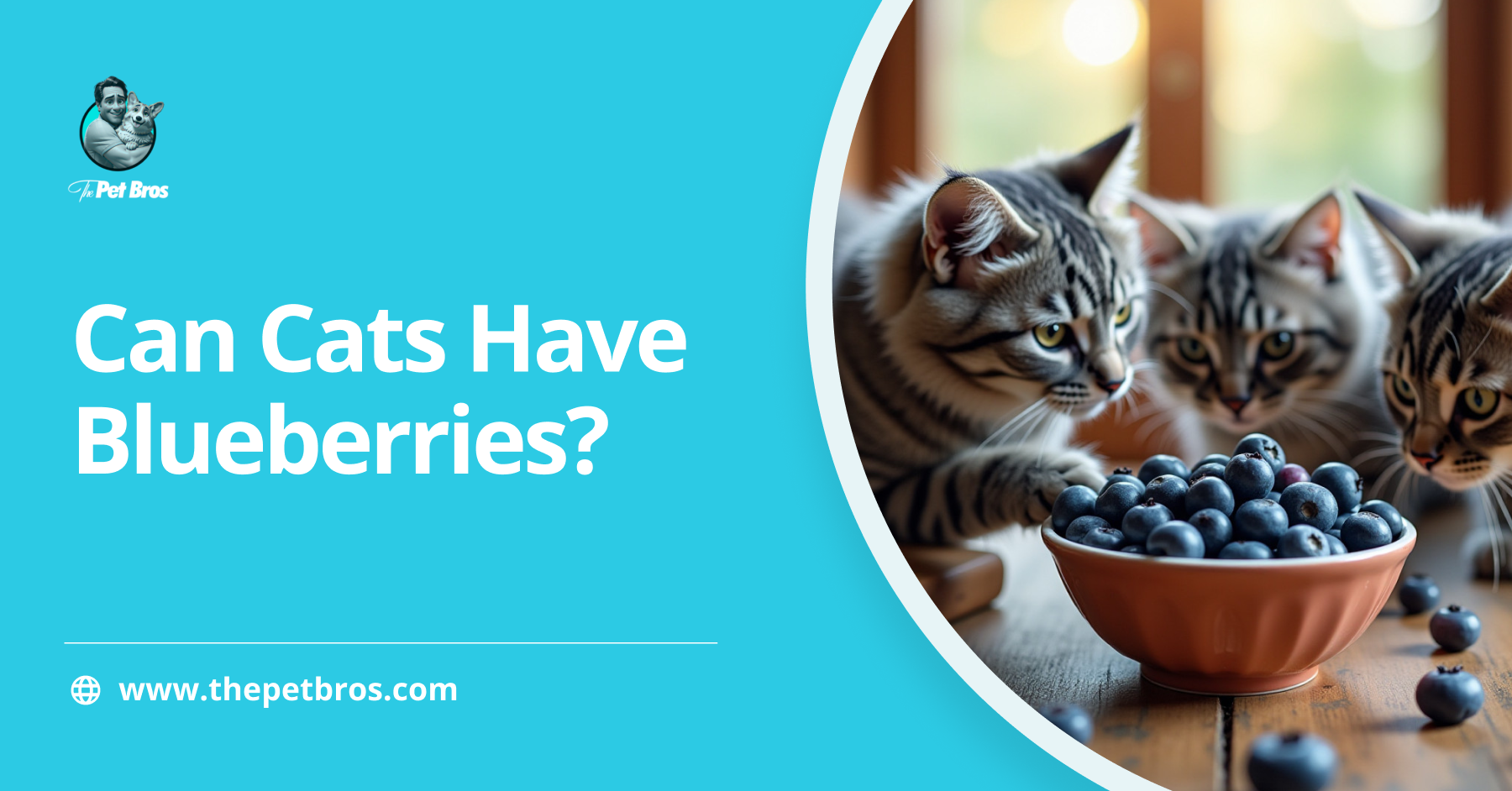
You are enjoying a fresh bowl of fruit when your curious feline wanders over to investigate. Those vibrant, bite-sized berries look like perfect “superfood” snacks to us, but you might wonder if they belong in a carnivore’s bowl. Can cats have blueberries without ending up with an upset stomach?
A cat’s digestive system processes food much differently than yours does. While these berries aren’t toxic, they are not a biological necessity for an animal designed to thrive on meat. Understanding how to bridge the gap between their carnivorous nature and your desire to share a snack is key to keeping them healthy.
Can Cats Have Blueberries Safely?
Yes, cats can have blueberries, but you must treat them as an occasional novelty rather than a meal. Because they are not a natural part of a carnivorous diet, you should limit your cat to two or three berries a few times a week.
Most adult cats can digest the carbohydrates in fruit, but they do so much less efficiently than they process animal protein. To maintain a balanced health profile, ensure that all treats, including blueberries, make up no more than 10% of your cat’s total daily food intake.
The Nutritional Reality of Feline Fruit Snacking
Even though we label them as a “superfood,” blueberries don’t hold the same status for our cats. Cats are obligate carnivores, meaning their bodies are built to process animal proteins and fats rather than plant-based carbohydrates. As a result, their systems are significantly less efficient at digesting berries and fruits.
However, offering a few blueberries can still provide minor perks:
- Antioxidant Support: These fruits contain antioxidants that may help neutralise free radicals and support joint health.
- Hydration and Fibre: The high water content and fibre can assist with digestion, especially during warmer months.
- Weight Management: Since they are low in calories, they serve as a safer alternative to fattening processed treats.
Other Safe Fruit Options for Your Cat
Many fruits provide hydration or fibre, even if they aren’t essential for a cat’s carnivorous diet. Always remove seeds, pits, and rinds, as these parts can be toxic or cause choking.
If you want to vary your cat’s treats, consider these safe options in small, bite-sized pieces:
- Blueberries: These provide a low-calorie boost of antioxidants and fibre.
- Strawberries: You can offer these fresh to provide a different texture and vitamins.
- Bananas: These soft fruits are safe but should be fed sparingly due to high sugar content.
- Watermelon: Ensure you remove all seeds and the rind before serving it to your pet.
- Apples: Serve only the flesh of the fruit, as the seeds contain traces of cyanide.
- Pumpkin: Plain, cooked pumpkin is excellent for helping with digestive regularity.
- Pears: Like apples, ensure you remove the core and seeds entirely.
- Mango: Peel the skin and remove the pit to share a small slice of the flesh.
- Pineapple: Only offer the fresh fruit in tiny amounts, avoiding the skin and core.
- Raspberries: These are safe in small quantities but contain a tiny amount of natural xylitol.
- Blackberries: These berries offer similar antioxidant benefits to blueberries.
- Apricots: You must remove the pit, leaves, and stem before sharing a small piece.
Fruits To Avoid Entirely
You must never let your cat consume certain fruits that can cause life-threatening poisoning. Even small amounts of these items can lead to organ failure or severe distress.
- Grapes and Raisins: These can cause sudden and irreversible kidney failure in cats.
- Lemons and Limes: Citrus oils and compounds can lead to vomiting or central nervous system depression.
- Oranges: The essential oils and citric acid are too harsh for a cat’s stomach.
- Grapefruit: Like other citrus, this fruit is highly irritating to the feline digestive tract.
Recommended Serving Sizes
- Small Cats (Under 4 kg): Half to one berry.
- Medium Cats (4–6 kg): One full berry.
- Large Cats (Over 6 kg): Up to two berries occasionally.
How to Introduce Cats to Blueberries
You cannot simply toss a handful of berries into your cat’s bowl and hope for the best. Proper preparation prevents digestive distress and physical hazards like choking.
- Wash Thoroughly: Always rinse the fruit to remove dirt, pesticides, or chemical residues.
- Remove Stems: Strip away any attached leaves or stems that could irritate the throat.
- Mash or Cut: Whole blueberries can lodge in a small cat’s windpipe, so always mash them into a paste or cut them into tiny pieces.
- Serve Plain: Stick to fresh or frozen varieties only. Avoid canned berries, which often sit in heavy, sugary syrups.
Potential Risks and Red Flags
Cats do not require fruit to live a healthy life, and their bodies may react poorly to these snacks. Monitoring your pet for any adverse reactions after they try a new berry is essential for their safety.
Keep these specific risks in mind before you offer a treat:
- Blood Sugar Spikes: Blueberries contain natural sugars that can cause sudden spikes in blood glucose levels. While healthy cats might handle this, the sugar presents a real danger for cats with diabetes. Excessive sugar intake over time can also contribute to feline obesity.
- Digestive Distress: The fibre and sugar in berries can easily overwhelm a cat’s sensitive gastrointestinal tract. You might notice your cat suffering from diarrhoea, flatulence, or stomach discomfort if they eat too much. Always stop feeding the fruit if you observe any loose stools or vomiting.
- Choking Hazards: A whole blueberry can be difficult for smaller cats or kittens to chew properly. The berry might become lodged in the windpipe or oesophagus if they try to swallow it whole. You must always mash the fruit or cut it into tiny pieces to ensure it passes safely.
- Processed Fruit Products: You should never feed your cat blueberry muffins, jams, or yoghurt. These items often contain added sugars, dairy, or artificial sweeteners like xylitol, which is highly toxic to cats. Stick to fresh or frozen plain berries to avoid these dangerous additives.
- Allergic Reactions: Although it is uncommon, some cats may be intolerant or allergic to blueberries. Look for signs like itching, skin irritation, or sudden behavioural changes after they eat the fruit. Contact your veterinarian immediately if these symptoms persist for more than 24 hours.
Conclusion
So, can cats have blueberries as a permanent fixture in their food bowl? While these berries are safe and non-toxic, you should only view them as a fun, low-calorie enrichment experience rather than a dietary staple. Your cat’s biological needs are best met with high-quality animal-based proteins that provide the right balance of nutrients. If your feline shows no interest in these fruits, do not worry, as they are perfectly capable of thriving without them. By following strict portion controls and proper preparation methods, you can safely share the occasional berry without compromising your pet’s health.
Can Cats Have Blueberries? Frequently Asked Questions
What fruits are toxic to cats?
You must strictly avoid feeding your cat grapes, raisins, and citrus fruits, as these can cause severe toxicity or kidney failure.
What to give an anaemic cat?
Anaemic cats require iron-rich, animal-based proteins like cooked liver or vet-prescribed supplements rather than fruit-based treats.
What is the healthiest fruit for cats?
Blueberries and melons are among the healthiest options because they are low-calorie and offer antioxidants, though they are still not nutritionally required.
Can cats eat blueberry muffins?
No, muffins contain sugar, fats, and potentially toxic sweeteners like xylitol that offer no nutritional value and can harm your cat.
Can cats have blueberries yoghurt?
You should avoid this because most yoghurts contain added sugars and dairy, which can trigger lactose intolerance in adult cats.
Can kittens eat blueberries?
It is best to wait until a kitten is older and their digestive system is fully developed before introducing any fruit-based treats.