


Peanuts are a common snack in many homes, which often leads dog owners to ask: Can dogs eat peanuts without risk? Dogs are curious eaters, and their enthusiasm for human food can make even simple snacks feel questionable. Peanuts may look harmless, but not every food that feels natural is safe for dogs.
Some pet owners assume peanuts fall into the same category as other friendly foods for dogs, while others avoid them entirely out of caution. The truth sits somewhere in between. Understanding whether dogs can eat peanuts depends on how they are prepared, how often they are given, and what details are easy to overlook. This article breaks it all down clearly.
Can Dogs Eat Peanuts?
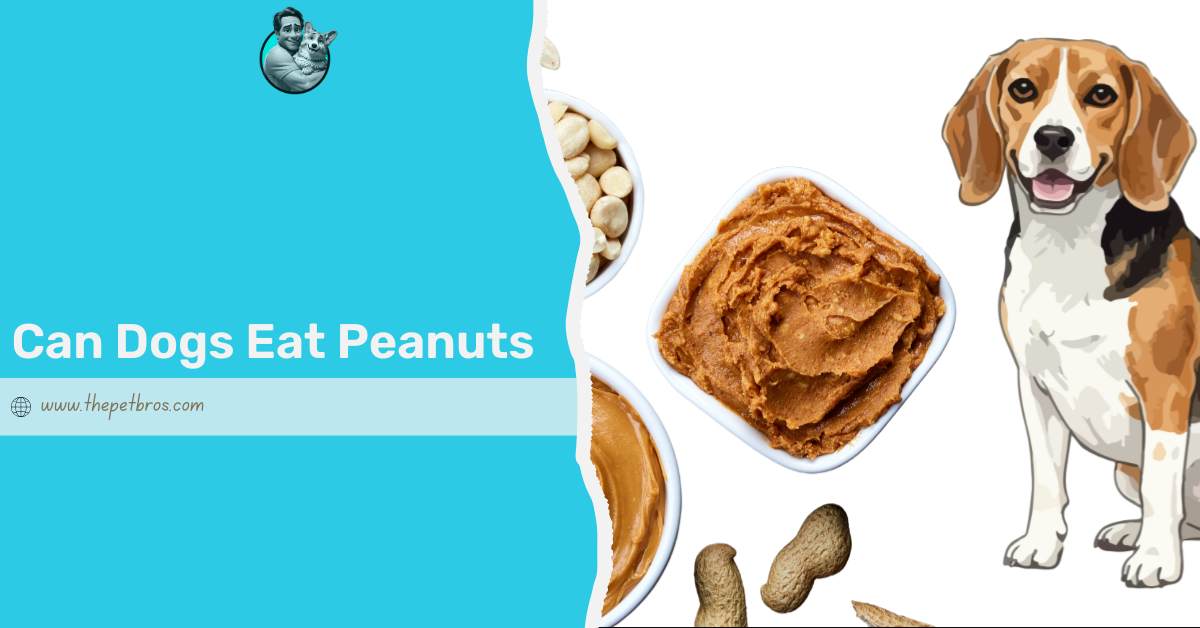
Yes, dogs can eat peanuts, but only when they are plain, unsalted, and given in moderation. Peanuts are high in fat, and excess fat intake increases the risk of weight gain and pancreatitis in dogs. Veterinary guidance generally recommends that treats should make up no more than 10 percent of a dog’s daily calorie intake, which includes peanuts and other snacks.
Peanuts do offer some nutritional value. They contain protein, which supports muscle maintenance, and healthy fats that contribute to energy levels. However, peanuts are not a complete or necessary food for dogs. A dog’s primary nutrition should come from a balanced, commercial dog food formulated to meet their dietary needs. Peanuts should only ever act as an occasional addition.
Many dog parents also offer fruits and vegetables as treats, which are often lower in fat and easier to portion. Foods such as cucumbers, tomatoes, carrots, watermelon, apples without seeds, pumpkins, blueberries, celery, and green beans provide fibre, vitamins, and hydration with fewer calories than peanuts. Compared with these options, peanuts require more caution because of their calorie density.
Are Peanuts Toxic to Dogs?
Peanuts are not toxic to dogs, but they can still cause problems for some individuals. One of the most common concerns is food allergies. Studies confirm that food allergies are common in dogs, and many foods are potential allergens. The proteins found in peanuts can trigger reactions in sensitive dogs. These reactions do not always appear immediately and may develop after repeated exposure.
Signs of a peanut allergy in dogs often include red or swollen paws, red or inflamed skin, excessive licking, ear irritation, and itching. Some dogs may also experience facial swelling or mild digestive upset. Because reactions vary in severity, it is important to introduce peanuts slowly and in very small amounts. Veterinarians recommend an informal at-home allergy test: monitor your dog for 24 hours for any signs of discomfort.
What Types of Peanuts Are Safe for Dogs to Eat?
- Plain Peanuts: Plain peanuts contain no added ingredients that could upset a dog’s system. They work best because they keep sodium and additives out of your dog’s diet.
- Dry-Roasted or Raw Peanuts: Both are acceptable, provided they contain no oils or flavouring. Oil-coated peanuts add unnecessary calories and can burden digestion.
- Unsalted Peanuts Only: Salted peanuts increase sodium intake, which dogs do not tolerate well in excess. High sodium levels can lead to dehydration and stress on internal organs.
- Shelled Peanuts: Peanut shells are fibrous and hard to digest. Removing the shell lowers the risk of choking and reduces irritation in the digestive tract.
- Unflavoured Varieties: Flavoured peanuts often include sugar, spices, or artificial ingredients. These additions provide no nutritional benefit for dogs and may cause stomach discomfort.
How Many Peanuts Can a Dog Eat a Day?
Portion size matters more than many owners realise. Even small amounts of peanuts can cause stomach upset if a dog eats too many at once. Overconsumption may lead to bloating, gas, or mild abdominal discomfort. In some cases, dogs may begin whining, pacing, or refusing food as a response to digestive discomfort rather than obvious vomiting or diarrhoea.
Smaller dogs reach their tolerance limit faster than larger breeds because of their lower body weight and slower fat processing. A few peanuts may be manageable for a large dog, while the same amount could overwhelm a smaller one.
If a dog shows signs such as whining, restlessness, excessive licking, or a tight abdomen after eating peanuts, it is best to stop feeding them and allow the digestive system time to settle.
Why Can Dogs Eat Peanut Butter but Not Peanuts?
Peanut butter acts differently in a dog’s body because of its texture and processing. The smooth consistency reduces the risk of choking and allows dogs to swallow and digest it more easily than whole peanuts. Dogs that gulp food often struggle more with whole peanuts than with spreadable peanut butter.
However, peanut butter only remains safe when it contains no harmful additives. Products made for humans may include ingredients unsuitable for dogs, which is why label checking matters. The difference is not the peanut itself, but how the body handles the form it comes in.
Now, What Nuts Can Dogs Not Eat?
Some nuts are unsafe for dogs and should be avoided entirely. Macadamia nuts are toxic and can cause weakness, tremors, and vomiting. Walnuts, especially mouldy ones, may lead to digestive distress or neurological symptoms. Almonds and pecans are not toxic but can cause choking or stomach issues due to their size and fat content. Because peanuts look similar and share a name with these foods, they often get grouped into the same risk category.
Conclusion
So, can dogs eat peanuts? The answer is yes, but with care. Peanuts themselves are not dangerous, yet they sit close to a category of foods that require attention. Many people assume peanuts are the same as other nuts, which can cause confusion. Peanuts are actually legumes, not true nuts, and this distinction matters when discussing dog safety.
Can Dogs Eat Peanuts? FAQs
What nuts can dogs not eat?
Macadamia nuts are toxic, while others may pose choking or fat-related risks.
How many peanuts can a dog eat a day?
Only a small amount, depending on size, and not every day.
Why can dogs eat peanut butter but not peanuts?
Peanut butter is processed and softer, but only if it is xylitol-free and low in salt.
Can dogs eat peanuts for birds?
No, bird peanuts often contain added salt or oils that are unsafe for dogs.