


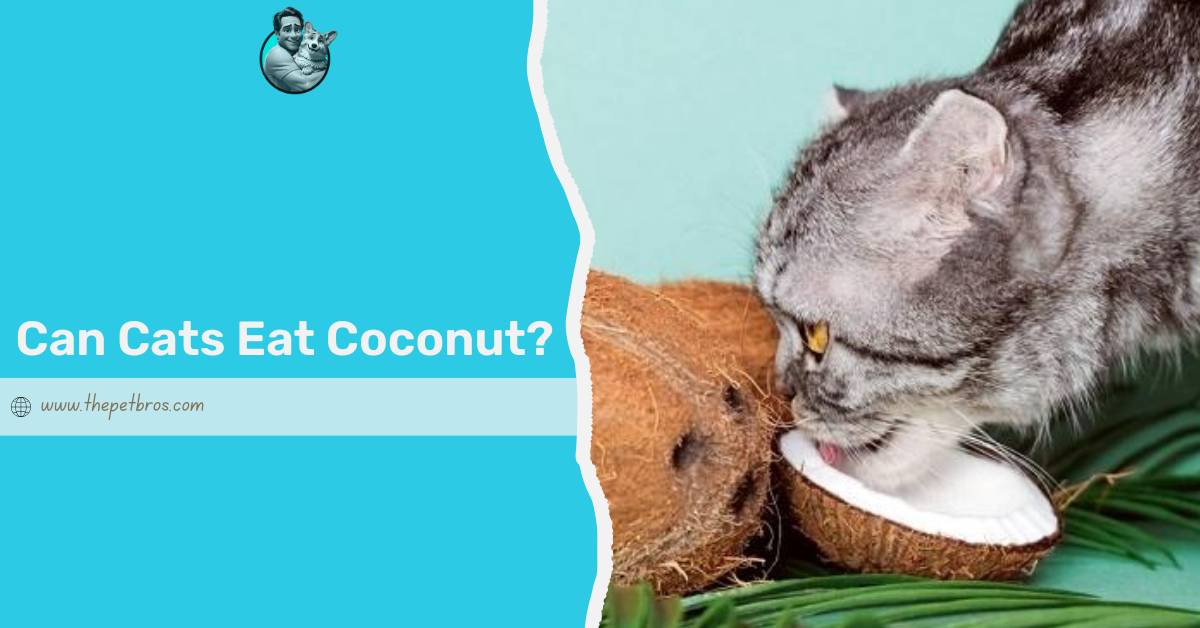
Your cat might wander over when you crack open a fresh coconut or sip on a tropical snack, but can cats have coconut, and is it actually safe for them? Cats can enjoy a few human foods, such as plain chicken or tuna, but coconut falls into a grey area due to its unusually high fat content.
Coconut shows up in everything from desserts to smoothies, so it’s easy to assume a tiny taste won’t hurt. That’s why knowing the safe forms, unsafe versions, and proper serving sizes is important. In this article, we will break it all down clearly, so you’ll know precisely if and when coconut is acceptable, and when it’s best to keep it off your cat’s plate.
Is Coconut Safe for Cats?
Yes, coconut is safe for your cats. Coconut isn’t toxic to cats, and a tiny amount of plain, natural coconut can be offered safely. However, ensure you are always cautious when feeding your cat coconut. Only unprocessed coconut is suitable, since added sugars or flavourings can irritate a cat’s stomach.
Some cats may enjoy the smell or texture, especially attention-seeking cats that follow you around the kitchen, hoping for a sample. Others won’t be interested at all. Because every cat’s digestion is different, it’s smart to treat coconut like any other new food: start with a tiny amount and watch closely.
If your cat has a history of sensitivities, your vet may even recommend basic allergy testing before introducing unfamiliar treats. This cautious approach helps you avoid unnecessary stomach upset while keeping your cat safe and comfortable.
4 Dangers of Feeding Cats Too Much Coconut
- High fat content may trigger diarrhoea or vomiting: Coconut is rich in medium-chain triglycerides, which are difficult for many cats to digest and can quickly lead to loose stools or stomach discomfort.
- Excess dietary fat can contribute to hepatic lipidosis or pancreatitis, which are severe conditions, especially in cats with sensitive digestive systems.
- Coconut is calorie-dense and may contribute to weight gain; even small daily amounts can add unnecessary calories, placing extra strain on joints and overall health.
- Cats with diabetes, kidney issues, or sensitive stomachs should avoid coconut: These conditions make fat processing more difficult, and even mild irritation can cause severe coughing due to throat irritation after nausea.
What About Coconut Milk, Water, or Oil?
Coconut products sound harmless, but most of them aren’t ideal for cats. One of such products is coconut milk. Coconut milk may be dairy-free, but it still contains enough fat and calories to upset a cat’s stomach, especially if they already have sensitive digestion.
Coconut water has almost no fat, yet it’s surprisingly high in potassium, which can overwhelm a cat’s system and affect their heart if consumed in large amounts.
Finally, Coconut oil is generally safe in small amounts; some cat parents use a drop for skin or coat care, but it’s still easy to overdo it.
Kittens, senior cats, and cats with existing health issues should avoid coconut milk, water, and oil entirely, as their systems are more fragile and less able to handle sudden dietary changes.
How Can Cats Have Coconut Safely?
- Offer only a very small piece of plain, fresh coconut with no added sugar or flavouring.
- Avoid coconut desserts, coconut yoghurt, and sweetened flakes, as these can irritate a cat’s stomach.
- Keep an eye out for any reactions like vomiting, diarrhoea, or mild coughing after they swallow.
- Introduce it slowly and only after checking with your vet, especially if your cat has allergies or a sensitive stomach.
Healthier Alternatives Your Cat Will Enjoy
If your cat is curious about coconut, there are far healthier, more natural options that better fit their diet. Most cats love simple protein sources, so plain cooked chicken or turkey is one of the safest and most nutritious choices you can offer.
Fully cooked pork can also be a great high-protein treat, as long as it’s lean, unseasoned, and given sparingly due to its naturally higher fat content. On days when your cat has a slightly upset stomach, a spoon of plain rice can help calm digestion, and even a small amount of plain cooked potato can be used if recommended by your vet, especially for cats needing a gentle, bland meal.
Many cat parents also make easy homemade recipes, combining shredded chicken, salmon flakes, or a little rice into their cat’s wet food for a fresh, wholesome treat without unnecessary additives. These alternatives support your cat’s nutritional needs far more effectively than coconut and give you simple, safe ways to treat your feline without risking digestive issues.
No matter which option you choose, it’s important to remember that anything you feed your cat should be cooked thoroughly and kept completely plain. Avoid oils, salt, butter, stock cubes, garlic, onions, and all seasoning blends. Even small amounts of added ingredients can irritate your cat’s digestive system or pose serious health risks.
Conclusion
So, can cats have coconut? Yes, but only in very tiny amounts and only when it’s completely plain. Although coconut isn’t toxic, its high fat content can upset your cat’s stomach or contribute to long-term health issues if fed too often.
Cats thrive on simple, protein-focused diets, so treats like coconut should never replace the foods your cat truly need. When you stay mindful of portion sizes and choose cat-friendly alternatives, you keep your feline’s diet balanced, safe, and supportive of their overall well-being.
Can Cats Have Coconut? FAQs
How much coconut can I give my cat?
Just a tiny pinch or a small shred is enough. Too much can upset their stomach.
Why do cats love coconut?
Some cats enjoy the smell or texture, but many aren’t interested at all.
Is coconut toxic to pets?
No, coconut isn’t toxic, but too much can cause diarrhoea and other issues.