



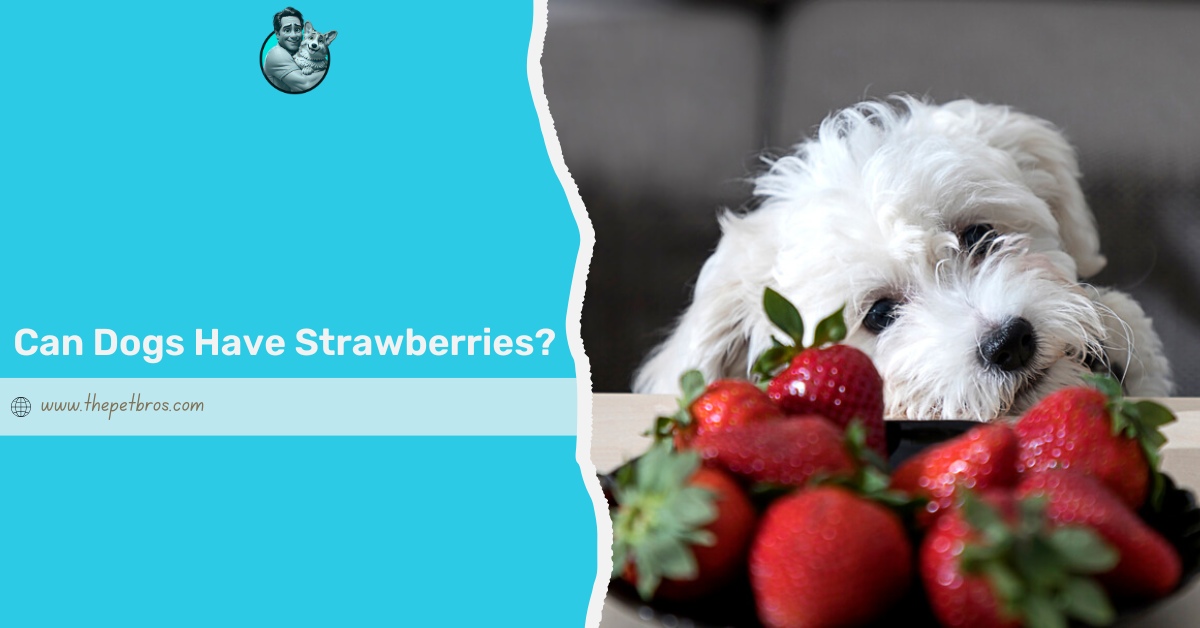
When a strawberry pops off the stem and lands in your bowl, there is always that one pair of eyes watching closely. It makes many dog owners wonder, can dogs have strawberries, or should this sweet snack stay on the human side of the kitchen?
Strawberries are bright, refreshing, and full of flavour, but dogs are curious by nature, and anything that looks like a treat becomes instantly interesting.
However, before sharing even a tiny piece, it’s helpful to understand how strawberries fit into a dog’s diet. In this article, we will let you know if strawberries fall in the category of good fruits dogs can enjoy, and teach you the right approach to feeding your dog strawberries.
Can Dogs Have Strawberries Safely?
Dogs can have strawberries safely as long as they are served in small portions and introduced gradually. Because every dog reacts differently to new foods, it helps to offer the first piece almost like a subtle form of allergy testing. A single small slice allows you to notice any itching, redness, stomach upset, or changes in behaviour before giving more. There are also several other canine allergy testing methods you can explore.
You see, most healthy dogs enjoy strawberries without trouble, and there are some lovely benefits, too. Strawberries contain antioxidants that support overall wellness, vitamin C for immune health, fibre for digestion, and plenty of water to help keep dogs hydrated.
They even contain natural compounds that may support skin and coat health. While the sugar content means strawberries are still a treat, their nutritional profile makes them one of the better fruit choices for dogs when prepared correctly.
8 Risks Of Letting Dogs Have Strawberries
- Strawberries contain natural sugar, which can cause stomach upset if dogs eat too much.
- Whole strawberries can be a choking hazard, especially for smaller dogs.
- Leaves and stems may lead to vomiting or diarrhoea if swallowed.
- Dogs with diabetes or weight issues may need to avoid high-sugar fruits.
- Eating too many pieces at once may cause gas, loose stool, or discomfort.
- Some dogs may experience itching or redness due to mild food sensitivities.
- Dogs with seasonal or environmental allergies may react more strongly to certain fruits.
- Unwashed strawberries may contain dirt or pesticide residue that can irritate the stomach.
Can Dogs Eat Strawberries In Large Quantities?
Dogs should not eat strawberries in large quantities because treats are meant to stay under ten percent of a dog’s daily calories. This is why portion control matters. The table below offers a quick guide to safe serving sizes based on your dog’s weight.
| Dog Size | Recommended Amount | Why This Amount Is Safe |
|---|---|---|
| Extra small (2 to 20 pounds) | 1 to 2 small slices | Prevents sugar overload and reduces choking risk |
| Small (21 to 30 pounds) | 2 to 3 small slices | Enough for a treat without upsetting the stomach |
| Medium (31 to 50 pounds) | 5 to 6 slices | Offers benefits while keeping calories balanced |
| Large (51 to 90 pounds) | A small handful of slices | Suitable for bigger dogs but still limited for sugar control |
| Extra large (91 pounds and above) | A large handful of slices | Appropriate for body size yet still within safe treatment limits |
How To Prepare Strawberries For Dogs
Preparing strawberries properly makes them safe, easy to eat, and enjoyable for your dog. Fresh, clean fruit is always the best option. Good preparation also helps prevent choking hazards and reduces the chance of stomach upset. A few simple steps can turn a strawberry into a perfect dog-friendly treat.
Here is how to prepare watermelon for your dog safely:
- Wash the strawberries thoroughly to remove dirt or pesticide residue.
- Remove the leaves and stems to avoid digestive irritation.
- Cut the fruit into small, bite-sized pieces for easier chewing.
- Puree or mash the strawberries for puppies or small dogs.
- Offer only fresh or frozen strawberries, not canned.
- Avoid any strawberries that have been mixed with syrup, sugar, or artificial sweeteners.
- Start with one small piece to see how your dog reacts, then give more.
When Dogs Should Not Have Strawberries
Now, if you have dogs with diabetes or weight concerns, you should skip high-sugar fruits like strawberries. Also if your dog react strongly to new foods in general, strawberries may be a no-go area.
One of the first signs to watch for is irritation around the paws. If you notice swollen paws, red paws, or extra licking after eating strawberries, it could be your dog’s way of saying the fruit does not suit them. This type of reaction can occur quickly, so it is best to stop immediately and monitor them closely.
Dogs with known food allergies, sensitive stomachs, or skin conditions may also find strawberries uncomfortable to digest. In these situations, choosing safer alternatives is a better option. Blueberries, apple slices without seeds, and seedless watermelon are gentle, refreshing choices that many dogs enjoy. Each one offers a sweet moment without overwhelming their system, making them lovely substitutes when strawberries are not the right fit.
Conclusion
Strawberries can be a light, refreshing treat for many dogs, but understanding how they fit into a dog’s diet makes a big difference. By preparing them properly, keeping the portions small, and watching for any unusual reactions, you can enjoy sharing this sweet fruit with confidence.
So when you find yourself wondering, “Can dogs have strawberries?”, the answer is yes, as long as you follow the right steps. With a little care and attention, strawberries can become a fun addition to your dog’s treat list while keeping their health and happiness first.
Can Dogs Have Strawberries? FAQs
What is the best fruit for dogs?
Blueberries, watermelon (seedless), apples (seedless), and bananas are excellent dog-friendly fruits.
What fruit can’t a dog eat?
Dogs should never eat grapes, raisins, cherries with pits, or anything containing xylitol.
How many strawberries can I give my dog?
Most dogs only need a few small slices. Keep treats under ten percent of daily calories.