



When you share fruit with your dog, it often feels like a sweet little bonding moment. Blueberries, watermelon, and bananas usually get that happy tail response. But when the question “Can dogs have grapes?” comes up, the answer changes completely.
Grapes may look harmless, but they are one of the most dangerous foods a dog can eat, even in tiny amounts. They are not a “just one won’t hurt” kind of snack. Grapes are never safe for dogs, and knowing why will help you protect your dog every time the fruit hits your table.
So, before you pick a healthy snack for your dog, here is why grapes remain firmly off the list.
Why Are Grapes Not Safe For Dogs?
Grapes are unsafe for dogs in all forms and at all stages. Whether they are red or green, peeled or unpeeled, seedless or seeded, cooked, dried, or fresh… the risk stays the same.
Grapes contain compounds that dogs cannot properly metabolise, and recent research now points strongly to tartaric acid as a key factor in their toxicity. They are toxic from the very first bite, and even a single grape can cause kidney damage in some dogs. Once eaten, these compounds can overwhelm the kidneys, leading to sudden kidney failure.
Raisins, sultanas, and even grape leaves carry the same danger, which is why they should never be part of your dog’s diet, too. The worrying part is that there is no safe number of grapes for any dog, regardless of age, size, or breed. Toxicity does not follow predictable patterns.
A large dog may react severely to a single raisin, while a smaller dog might show slower symptoms. Some dogs show severe reactions after a single grape. Others may start with minor signs, such as stomach discomfort or even swollen paws from inflammation, before the situation worsens.
If your dog is on prescription diets or with underlying health conditions are at even higher risk any grape ingestion must be treated as an emergency every time.
And because responses vary so much, the safest rule is simple: keep all grape products completely out of reach.
12 Symptoms of Grape Poisoning
If a dog eats a grape or raisin, symptoms can appear within a few hours. Some are mild at first, but they can progress quickly as the kidneys become affected. Here are 12 signs to watch for:
- The first sign to look out for is vomiting, it often appears shortly after your dog eats the grape.
- Diarrhoea may also contain bits of grape or raisin.
- Sudden Weakness or unusual quietness.
- Watch out for loss of appetite or when your dog starts refusing food
- Your dog’s thirst increases and they start drinking more than usual.
- Pay attention to tenderness or discomfort in your dog’s abdomen.
- Dehydration is also a sign, it is noticeable through dry gums or slow skin elasticity.
- Fishy-smelling breath caused by kidney changes.
- Increased urination in the early stages.
- Little or no urination as kidney function declines.
- Lethargy that worsens over time.
- Seizures or collapse in severe cases.
If even one of these symptoms appears and you suspect grape ingestion, immediate veterinary care is essential.
What To Do If Your Dog Eats A Grape?
If your dog eats a grape, even by accident, the safest response is to act immediately. Do not wait to see if symptoms develop, because the toxins in grapes begin affecting the body quickly. Call your veterinarian right away, or contact an emergency clinic if it is outside regular hours. Fast action gives your dog the best chance of avoiding serious complications.
Your vet may guide you through the first steps, such as whether it is appropriate to make your dog vomit. This should never be attempted without professional instruction, as some dogs should not be encouraged to vomit due to breathing difficulties or certain medical risks. In many cases, vets will handle this procedure in the clinic, followed by activated charcoal to help reduce toxin absorption.
Severe cases require hospital care. Dogs may be placed on IV fluids to support kidney function, and their vital signs will be monitored closely for 24 to 48 hours. With prompt treatment, many dogs recover well. But without quick intervention, grape poisoning can lead to life-threatening kidney failure, and even death.
So, What Fruits Are Healthy For Dogs?
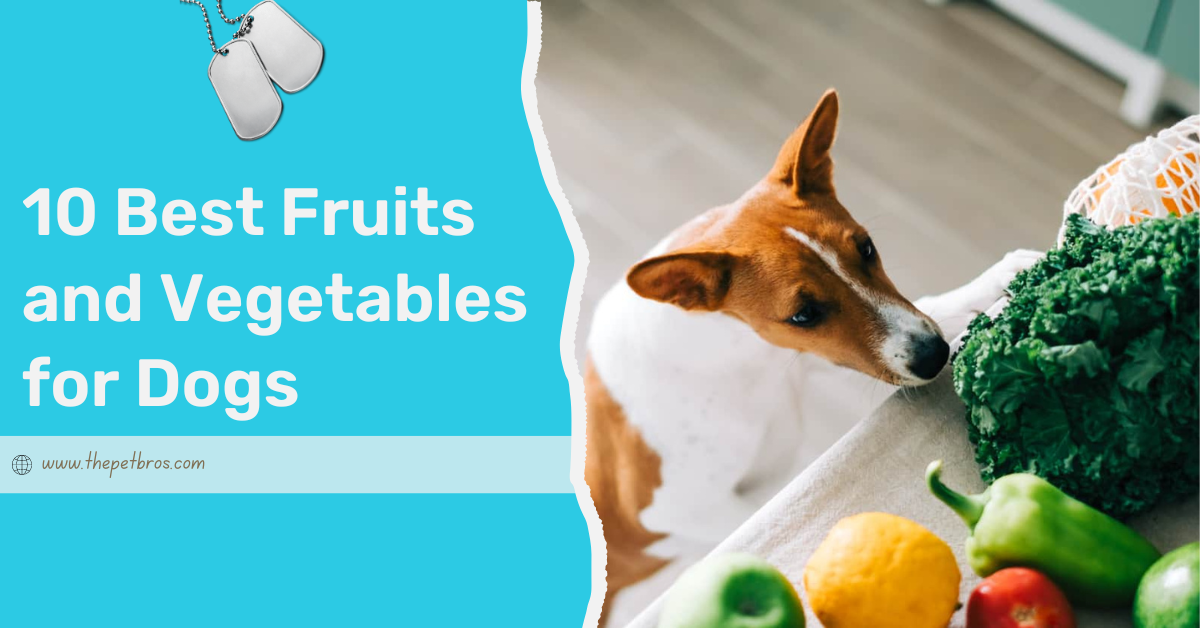
Because grapes are bad for dogs does not mean dogs cannot eat any other fruits. In fact, choosing the best fruits and vegetables for your dog is the best way to keep their treat time enjoyable. Many fruits, such as oranges, cranberries, cucumbers, apples, olives, and even almonds, offer natural sweetness along with essential nutrients.
Also, blueberries are full of antioxidants, apple slices without the seeds are crisp and refreshing, and seedless watermelon provides a hydrating snack on warm days. Bananas are gentle on the stomach and offer a soft, sweet bite that many dogs love. These safer options allow you to share a treat without worrying about harmful reactions. Also, apart from fruits, there are also several other vegetables that are safe for your dogs. Examples are broccoli, kale, spinach, celery, and so on.
When deciding what to offer, keep portions small and introduce new fruits slowly so you can watch for any signs of sensitivity. Every dog has a unique digestive system, and gentle testing helps you understand what suits them best. If there is ever uncertainty about a food, a quick chat with your vet provides helpful clarity. And whenever the question “Can dogs have grapes?” comes up, the safest answer will always be no. Choosing fruit wisely keeps your dog happy, healthy, and protected.
Can Dogs Have Grapes? FAQs
Are any fruits toxic to dogs?
Yes, grapes, raisins, sultanas, and currants are all toxic.
Which fruits can dogs eat?
Blueberries, apples without seeds, bananas, and seedless watermelon are safe choices.
Can grapes be good for dogs?
No. Grapes offer no safe benefits and are always dangerous for dogs.