


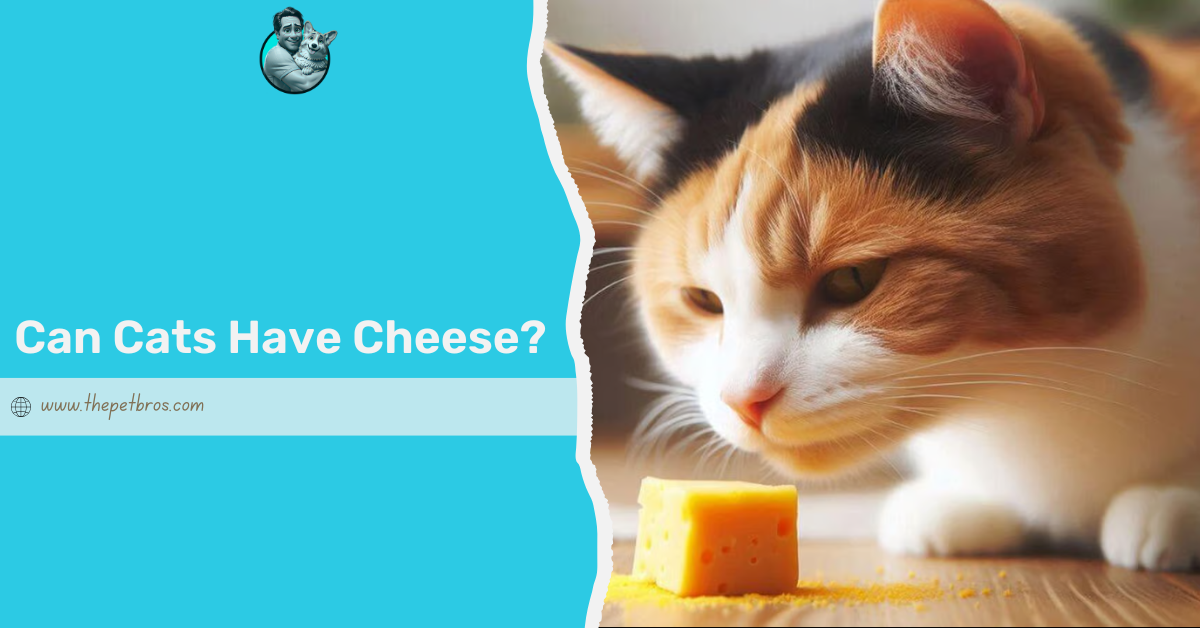
I daresay it began with our favourite Tom and Jerry cartoon, or maybe old milk advertisements. But either way, we have been made to believe that a saucer of dairy is the ultimate treat for our feline friends. However, really, can cats have cheese?
With this milk-loving cat stereotype everywhere, many people assume that dairy, like cheese or yoghurt, is a natural human food choice for cats, but to put it simply, there’s more to it.
So, whether you’re curious about the connection between cats and cheese or you’re wondering if some cheeses are off-limits entirely, this article breaks down everything you need to know.
First, Why Do Cats Love Cheese?
Recent studies confirm that cats naturally seek out foods with strong aromas and interesting textures, like chicken or spinach, which explains why cheese can also catch their attention. Its high fat content adds to the appeal, and the distinct scent makes it even more enticing, which is why cats often focus on these foods so intently.
This attraction extends to high-value human foods in general, as their rich flavours and protein content resemble the qualities of prey and strongly stimulate a cat’s senses. Cats rely heavily on smell when evaluating food, and their sense of smell is far more powerful than ours. It is estimated to be about 14 times stronger due to a much higher number of scent receptors in the nasal epithelium. Because of this heightened sensitivity, cats respond more to smell and taste than to any real nutritional need, which explains why they may beg for what you’re eating even when it provides little benefit.
Cheese, in particular, while rich and satisfying, contains very few of the nutrients cats actually need. Keeping this in mind helps cat owners offer treats responsibly and avoid assuming that what is tempting is also healthy.
Can Cats Have Cheese?
Cats can have cheese, but only in very small amounts and only occasionally, because most adult cats are lactose intolerant. Adult cats lack much of the lactase enzyme needed to digest lactose in milk, unlike kittens, who can drink milk from their mother without any problems. That enzyme helps the kitten properly break down the sugar, and that prevents digestive upset.
Even among adult cats, some handle tiny amounts of cheese without issue, while other cats react strongly even to the smallest pieces.
In addition, cheese contains fat and sometimes salt or additives, which can make it harder for cats to digest and increase the likelihood of digestive reactions.
Signs Cheese Upsets Your Cat
Cats often show specific physical or behavioural changes when cheese upsets their digestive system. Some of them include:
- Loose or Watery Stools: Cats commonly develop diarrhoea when their bodies cannot break down lactose in cheese, leading to excess water in the stool.
- Vomiting After Eating Cheese: Cats may vomit shortly after consuming cheese because the fat content or dairy proteins irritate the stomach lining.
- Gas and Bloating: Cats develop gas or abdominal swelling when their bodies fail to properly digest lactose.
- Stomach Noises: Cats sometimes produce gurgling or rumbling stomach sounds when dairy disrupts normal digestion.
- Lethargy or Withdrawal: Cats may become unusually quiet or inactive after eating cheese, as their bodies respond to digestive discomfort.
- Restlessness or Repeated Stretching: Cats may pace, hide, or stretch repeatedly to relieve abdominal pain from digestive upset.
Which Cheeses Can Cats Have?
Hard cheeses are generally the least risky option for cats because they contain lower moisture and lower lactose levels than soft cheeses. The ageing process removes much of the lactose, which makes these cheeses easier for some cats to tolerate in very small amounts.
Cats generally tolerate harder, aged cheeses better, such as Cheddar, Parmesan, aged Gouda, and Swiss-style cheeses like Gruyère and Emmental.
Owners should avoid offering their cats the following types of cheese.
- Cream cheese: High levels of lactose and fat can cause diarrhoea or vomiting when cats eat it.
- Cottage cheese: The lactose and excess moisture in cottage cheese can upset a cat’s stomach and cause digestive discomfort.
- Ricotta: Many cats cannot digest ricotta properly because it contains a high level of lactose.
- Mozzarella: Fresh mozzarella retains more lactose than aged cheeses, which can trigger digestive upset in cats.
- Cheese spreads and processed cheeses: Additives, salt, and emulsifiers in these cheeses can irritate a cat’s digestive system and lead to stomach problems.
- Blue cheese and other mould-ripened cheeses: Certain moulds in these cheeses can make cats sick if they eat them.
- Flavoured or seasoned cheeses: Ingredients such as garlic, cinnamon, herbs, or spices can harm cats, even in very small amounts.
- Cheeses with heavy salt coatings: High sodium levels in these cheeses can contribute to dehydration and other health issues in cats.
If you choose to offer cheese at all, portion size matters more than the type. A safe serving should be no more than a pea-sized amount.
Final Verdict
So, can cats have cheese? Yes, but only as an occasional treat, since most cats are lactose intolerant and dairy products like cheese offer little nutritional value. Sure, it has some protein and fat, but cats don’t actually need it, and the potential downsides usually outweigh any small benefits. If you want to spoil your cat, there are plenty of safer, healthier options. Consider giving small pieces of cooked lean meat or cat-specific treats as a low-risk reward.
Can Cats Have Cheese? FAQs
What happens if my cat licks cheese?
A small lick usually isn’t harmful, but too much can cause digestive upset.
Can cats eat American cheese?
Cats can eat American cheese, but its high salt and phosphate levels make it an unhealthy option.
Can cats have cheese curds?
Cheese curds are fine in very small amounts, but not as a regular snack.
Can cats have mozzarella?
Mozzarella can be given occasionally in moderation, but avoid giving large pieces.
My cat ate cheese. What should I do?
If it was a small amount, just monitor for digestive upset. Contact your vet if your cat vomits, has diarrhoea, or shows unusual behaviour.