



Seeing blood in your cat’s litter box can be alarming. One moment, everything seems normal, and the next, you are in a panic, wondering what went wrong. Blood in cat urine is one of those signs that will stop you in your tracks and raise immediate concern.
While it does not always mean the worst, it should never be ignored. Cats are experts at hiding discomfort, which makes changes in urine one of the few visible clues that something may be happening internally. In this article, we will help you understand what blood in cat urine looks like, what it can mean, and what to do when it happens.
What Does Blood in Cat Urine Look Like?
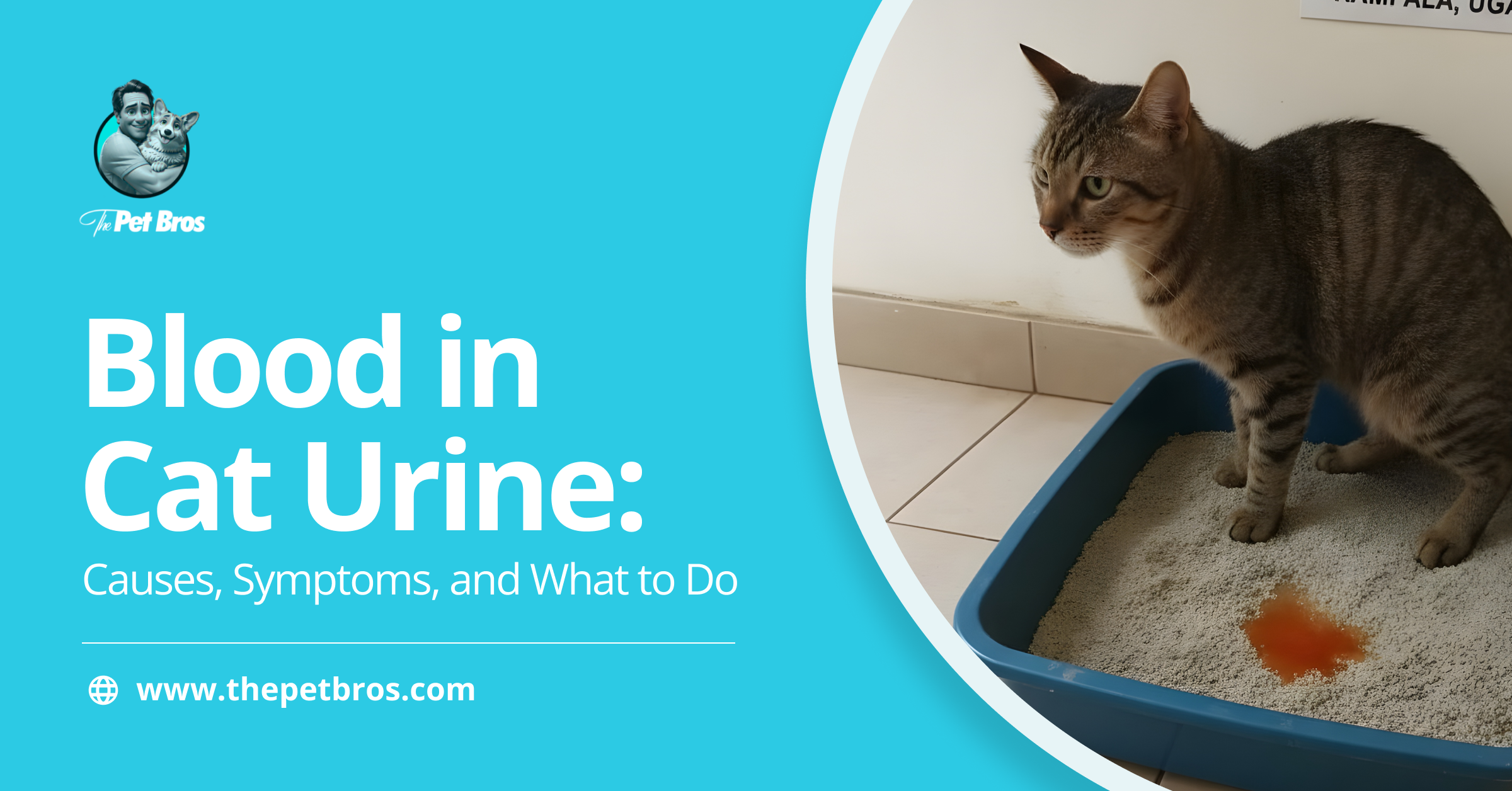
Your cat’s urine may appear pink or lightly red when fresh blood mixes with it during urination. This change is most noticeable on pale litter, where colour variations are easier to detect.
The urine may also leave behind dark brown, orange, or rusty-coloured staining. Small streaks or clots may be present in the litter or urine clumps, indicating bleeding in the urinary tract. These signs often develop gradually and may be mistaken for normal litter discolouration if not examined carefully.
Any visible change in urine colour or staining should be treated as a clinical sign that requires veterinary assessment.
6 Common Reasons Cats Have Blood in Their Urine
- Inflammation of the bladder lining: In some cats, the bladder lining becomes irritated without infection. This irritation can cause bleeding and discomfort. Cats often show this through straining or prolonged effort in the litter box, even when very little urine is passed.
- Stress-induced urinary conditions: Stress can trigger physical changes in a cat’s urinary system. Environmental changes, tension in the home, or routine disruption can lead to inflammation and bleeding, causing your cat to start peeing blood.
- Bacterial urinary tract infections: Infections allow bacteria to irritate the urinary tract. This irritation damages tissue and leads to blood in the urine.
- Urinary stones or crystals: Stones and crystals form when minerals build up in the urine. As they move, they scrape the urinary tract, causing bleeding. This condition often leads to intense discomfort.
- Physical injury or internal trauma: Trauma from falls, collisions, or impact can damage the kidneys or urinary tract. Blood may then appear in the urine shortly after the injury, signalling internal bleeding.
- Kidney disease or inflammatory reactions: Kidney disease affects how the kidneys filter blood. Over time, this can allow blood cells to pass into the urine. In rare cases, inflammatory or allergic reactions in the urinary system may also cause swelling.
So, When Should You Treat This as an Emergency?
Seeing blood in your cat’s urine can be an emergency, depending on what else is happening. If a cat is unable to pass urine, this is an urgent situation that requires immediate veterinary care. A complete blockage prevents toxins from leaving the body and can become life-threatening within hours.
Male cats face a higher risk because their urethra is narrower, increasing the likelihood of blockages. When this happens, the situation can worsen quickly. Warning signs that need same-day veterinary attention include repeated straining with little or no urine, vocalising in pain, weakness, or sudden collapse.
Delaying treatment in these cases can lead to kidney failure or severe complications. So, in summary, when blood appears in your cat’s urine alongside difficulty urinating, it should never be treated as a wait-and-see situation.
Common Signs That Appear Alongside Bloody Urine
Cats often show additional signs of discomfort or difficulty with the urinary system. Because cats hide pain well, these changes in behaviour and routine are often the clearest warning signs owners notice.
Common signs to watch for include:
- Straining or repeated trips to the litter box: Cats may enter the litter box frequently and spend more time there than usual. This behaviour often reflects difficulty passing urine rather than increased need.
- Passing very small amounts of urine: Only a few drops may appear despite visible effort. This can indicate irritation or obstruction within the urinary tract.
- Crying or vocalising while urinating: Some cats vocalise due to pain or pressure. This sound is often unfamiliar and should not be ignored.
- Urinating outside the litter box: Your cat may begin to associate the litter box with discomfort and choose other areas instead. This is a medical signal, not a behavioural problem.
- Lethargy or reduced appetite: Discomfort and systemic stress can lower energy levels and food interest.
Any combination of these signs, along with blood in the cat’s urine, warrants attention. Changes that persist or worsen should always prompt an immediate visit to the nearest vet.
How Vets Diagnose Blood in Cat Urine
When a cat presents with blood in the urine, vets focus on finding the underlying cause rather than treating the symptom alone. Diagnosis usually starts with gathering a clear history, including litter box habits and recent stressors. This context helps narrow down possible causes early.
Vets may then use a combination of the following tools:
- Physical examination and history: The vet checks the abdomen, bladder size, and overall condition. They also assess pain levels and hydration status.
- Urine testing: A urine sample helps detect blood cells, crystals, bacteria, or abnormal pH levels. This test provides key information about infection or inflammation.
- Blood tests: Blood work helps assess kidney function and rule out systemic issues that may affect urine quality.
- Imaging when needed: X-rays or ultrasound scans may be used to identify stones, blockages, or structural abnormalities in the urinary tract.
How To Treat a Cat With Bloody Urine
Treating blood in cat urine starts with addressing the underlying issue, not just the visible blood. There is no single fix that works for every cat. So, really, how to handle a cat peeing blood depends on what is causing the problem and how severe the symptoms are. This is why some cats recover quickly, while others need ongoing care.
In many cases, vets focus on relieving pain and reducing inflammation first. Cats in discomfort often stop eating, hide, or avoid the litter box, which worsens the problem. Pain relief helps cats relax enough to urinate more normally, supporting healing and reducing stress on the urinary system.
Diet and hydration also play a key role in treatment. Some cats need dietary changes to support urinary health or prevent crystal formation. Increasing water intake helps dilute urine and reduces irritation.
Stress management is sometimes part of the treatment. Cats are sensitive to change, and ongoing stress can slow recovery.
How To Protect Your Cat’s Urinary Health
You can lower the risk of blood in cat urine by supporting simple, everyday habits. One of the most helpful steps is encouraging your cat to drink more water. Cats naturally drink less than they should, which can concentrate urine and irritate the bladder. Fresh water, wide bowls, water fountains, and wet food all help increase fluid intake without much effort.
Foods designed to support the urinary system help keep urine balanced and reduce irritation. Sudden changes in food can upset your cat’s system, so it’s best to keep meals consistent and introduce new foods slowly. A steady routine often makes a noticeable difference.
It will interest you to know that your environment matters more than you realise. Cats thrive on predictability. Clean litter boxes, quiet resting spots, and stable daily routines help reduce internal stress that can affect the urinary tract. Even small changes, such as moving furniture or introducing new pets, can affect sensitive cats.
Finally, regular vet check-ups also help catch issues early. Small changes often appear before obvious symptoms. By focusing on hydration, diet, routine, and early care, you give your cat the best chance of staying comfortable and healthy.
Conclusion
Blood in cat urine is never something to brush off. While some causes are mild and manageable, others can escalate quickly if left unchecked. Paying attention to early signs and acting promptly can make a real difference to your cat’s comfort and recovery.
If you notice blood in the litter box, changes in urination, or signs of discomfort, it is best to seek veterinary advice sooner rather than later. Early care often leads to better outcomes and helps prevent complications. With proper care, many cats recover well and return to their normal routines.
Blood in Cat Urine FAQs
How to treat blood in urine in cats?
Treatment depends on the cause and may include medication, diet changes, or stress reduction.
Can cats recover with blood in their urine?
Yes. Many cats recover fully with prompt and appropriate treatment.
What does blood in cat urine look like?
It may appear pink, red, dark brown, or as small clots in the urine.